The 120 million pound pivot
Gareth Bale’s retirement in 2023 was supposed to be a permanent residency at the world's most exclusive tee boxes. Most elite players exit the pitch and immediately look for a tracksuit or a microphone. Bale looked for a 6-iron. But the rumors of a return to Welsh football are shifting from romantic nostalgia to hard financial reality.
The Welsh legend has spent three years accumulating wealth and resting a back that carried a nation for a decade. Recent reports suggest his net worth has stabilized at a level where majority ownership of a Championship-level club is no longer a fantasy. Cardiff City is the only logical destination for a man who remains the biggest brand in the country.
Vincent Tan’s tenure at Cardiff has been defined by erratic investment and a persistent disconnect with the local identity. The club currently sits in a mid-table malaise that reflects a lack of long-term sporting direction. Bringing in Bale isn't just about a famous face; it is about resetting the club's entire recruitment philosophy.
The Wrexham blueprint vs the Bale reality
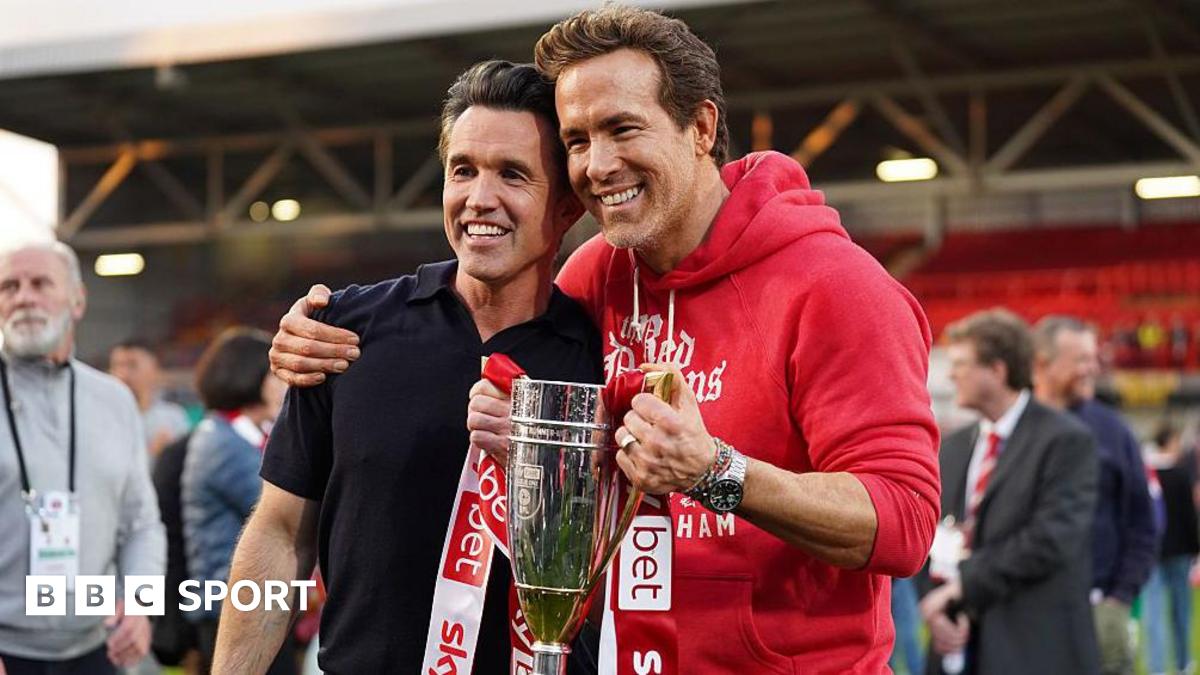
Everyone looks at Wrexham and sees the Hollywood glitter of Ryan Reynolds and Rob McElhenney. They see the commercial growth and the global documentary. Bale offers something different: genuine footballing gravity. He doesn't need a Disney+ crew to prove he knows what a winning culture looks like.
The financial math is surprisingly straightforward for a player of Bale's stature. Cardiff City’s current valuation is estimated between £65 million and £80 million depending on debt restructuring. Bale’s liquid assets and personal branding power make him the perfect lead for a consortium of Welsh investors.
There is a massive risk here that the fans are ignoring in their excitement. Bale has zero experience in the boardroom or the technical office. Running a club requires a grasp of Profit and Sustainability Rules (PSR) that you don't learn by winning five Champions League titles. If he tries to run the club like a personal hobby, it will end in a financial crater.
Tactical stagnation and the need for a hero
Cardiff’s current tactical identity is nonexistent. They average just 42 percent possession in home games and rely heavily on set-pieces for goal production. The squad is bloated with aging Championship veterans who lack the technical ceiling to push for the Premier League. A Bale-led ownership would likely demand a shift toward the high-transition, explosive style he thrived in at Real Madrid.
The commercial upside is the only thing keeping the club’s balance sheet from total collapse. Average attendance has dipped to 18,500 this season, a worrying trend for a stadium that holds 33,000. Bale’s presence in the director's box would immediately sell out the season ticket allocation. That is a fact, not a projection.
We have seen this movie before with local legends returning to save their clubs. Sometimes you get the stability of a Dave Whelan at Wigan, but more often you get the messy heartbreak of a legend realized as a mediocre administrator. Bale must be smart enough to hire a proper Sporting Director instead of picking the team himself from the golf course.
The prediction for the Bluebirds
I am calling it now: Gareth Bale will be the minority owner of Cardiff City by the start of the 2026-27 season. He won't buy 100 percent of the club because the risk is too high and the capital requirements for the Premier League are too steep. Instead, he will lead a group that takes a 30 percent stake, acting as the 'President of Football Operations'.
This move will trigger an immediate 25 percent increase in commercial revenue within the first six months. The 'Bale Effect' will attract young European talent who previously wouldn't have looked twice at a mid-table Welsh club. It is the only way to break the cycle of mediocrity that has plagued the Cardiff City Stadium for years.
The honeymoon will be short. As soon as the team loses three games in a row, the fans will stop asking about his handicap and start asking about the wage bill. Bale is a winner, but the boardroom is a much uglier pitch than the one he dominated in Madrid. If he isn't ready for the grind of Tuesday nights in Stoke, he should stay on the green.
Read Next
- Harry Wilson is actually doing the impossible for Wales right now
- Top 10: The Defining Moments of John Toshack's Career
- Wales' World Cup Dream Rests on One Final, Brutal Test
- Top 10: The Defining Stories Shaping World Cup 2026
- 🏟 EFL Championship 2025-26 — Promotion Race & Play-Off Final Hub
- 🏴 Wales at the 2026 World Cup — Full Coverage Hub