The battle for the Scottish dugout crown
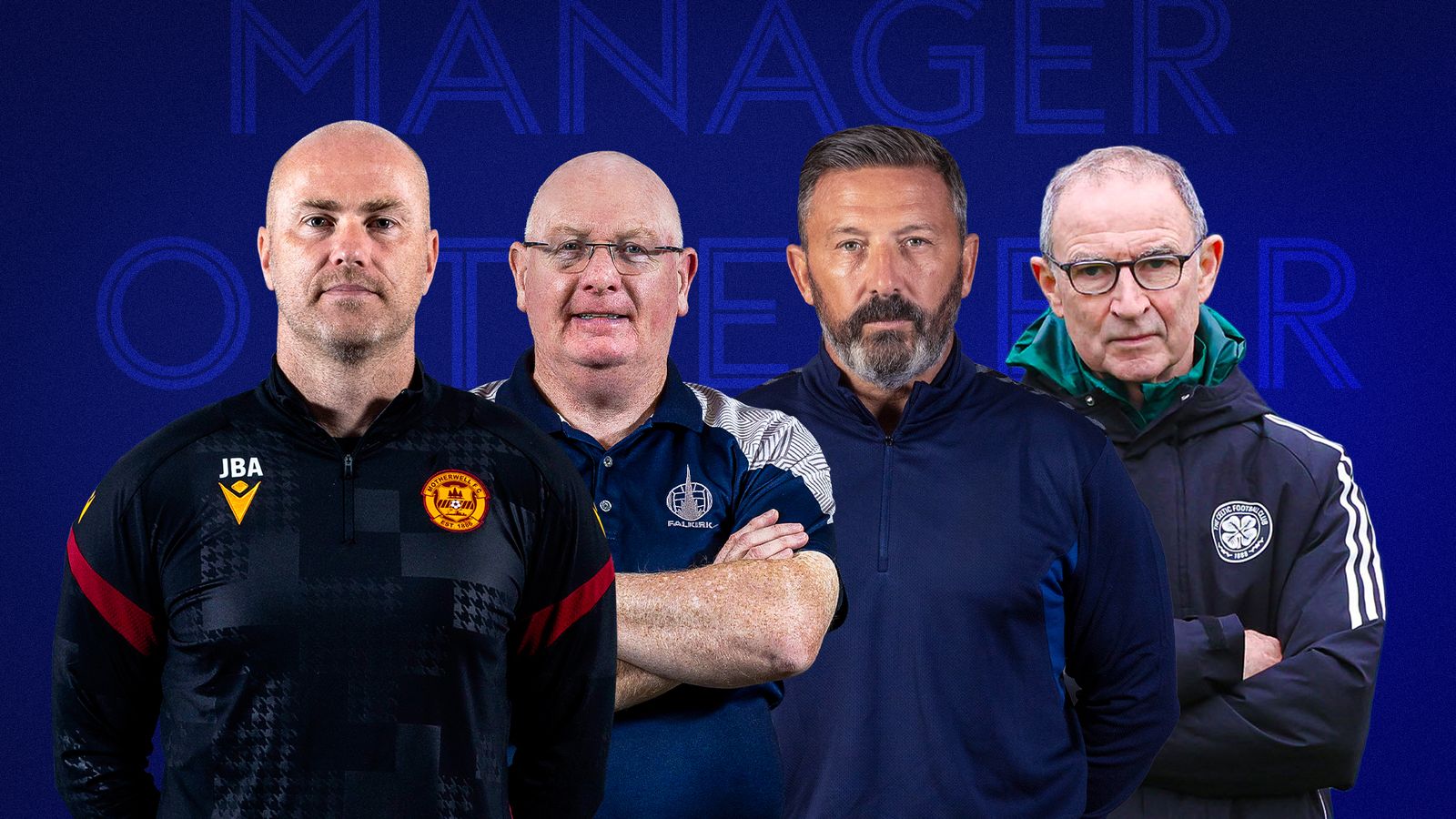
The Scottish Football Writers' Association has published their shortlist for Manager of the Year, and the list reveals the true tactical depth currently pulling strings north of the border. We are looking at Jens Berthel Askou, John McGlynn, Derek McInnes, and Martin O'Neill. While the nostalgia factor regarding O'Neill is high, the data-driven reality tells a different story about who actually maximized their resource allocation this season.
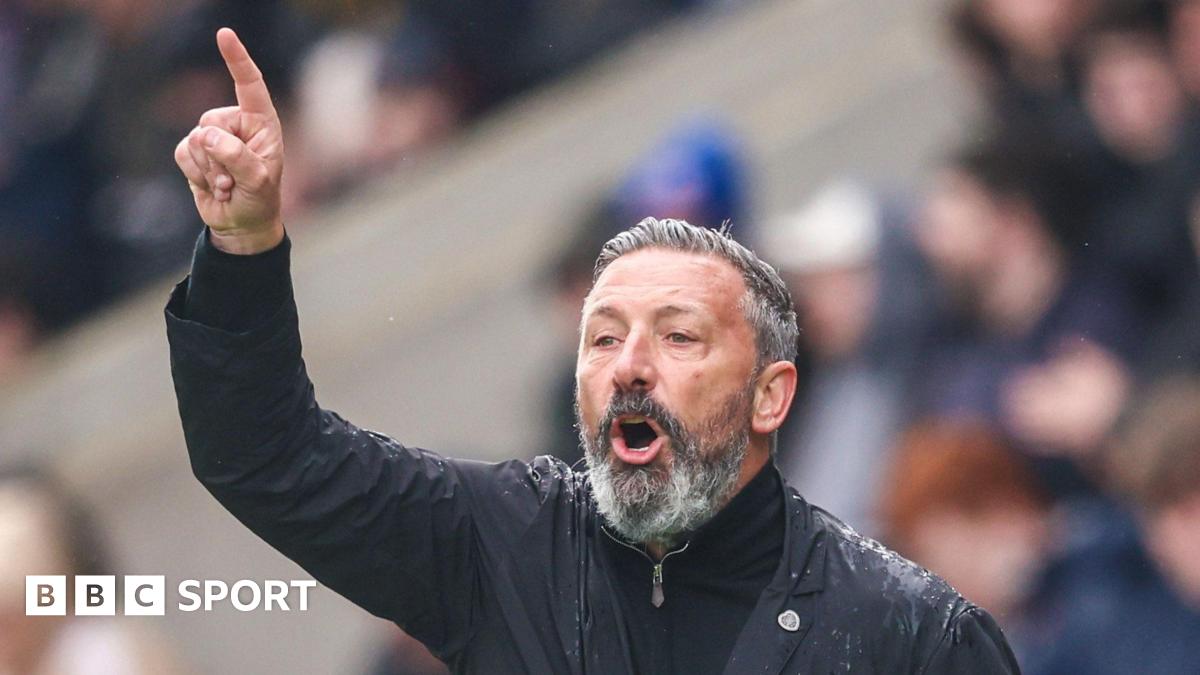
Derek McInnes has turned Kilmarnock into a side that refuses to break. Watching their transition structures against high-pressing opponents highlights a level of discipline largely absent elsewhere in the league. Kilmarnock isn't playing high-possession vanity ball; they are playing high-percentage territory football and hitting their markers with surgical frequency.
The math behind the success
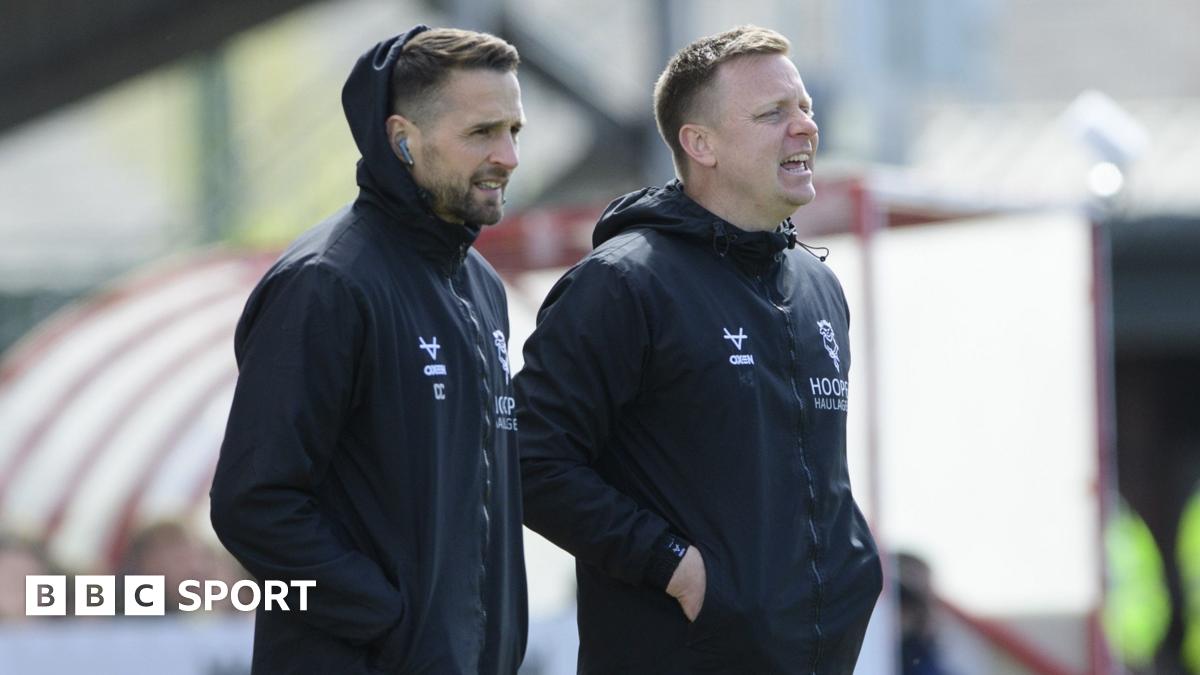
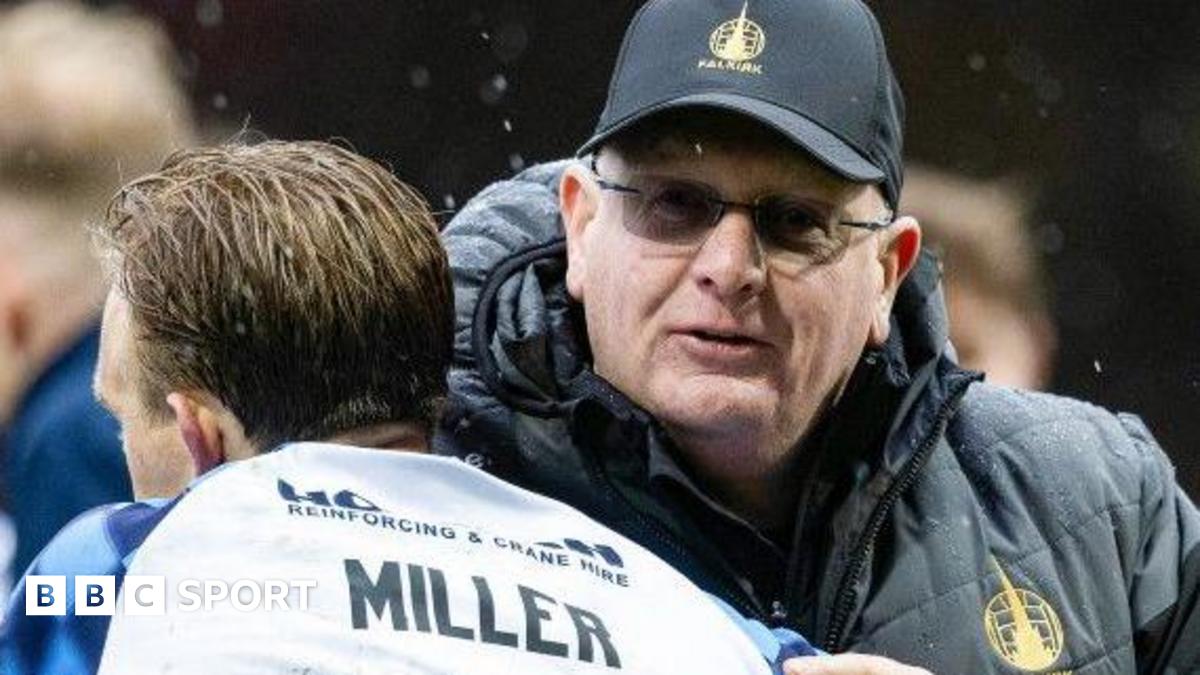
John McGlynn has been the architect of something special at Falkirk, but the jump in competition level makes direct comparisons to the Premiership managers tricky. You look at his tactical flexibility, yet the scrutiny applied to an Aberdeen or a Kilmarnock is inherently different because of the defensive personnel available. If you want to talk about squeezing blood from a stone, look at the SFWA shortlist and calculate the squad value relative to league position.
Jens Berthel Askou has provided Dundee United with a functional identity, prioritizing clean exits from the back. However, their consistency issues in the second half of the campaign highlight an inability to adapt when the opposition identifies a tactical pivot point. A manager of the year award isn't just about the peak performance in September; it requires sustained output over 38 matches.
Where the bookmakers fail us
The inclusion of Martin O'Neill feels more about a reputation for winning than the nuance of his current tactical board. Critics might point to his lack of long-term planning, noting that his approach relies heavily on senior player motivation rather than modern system architecture. Comparing this to how McInnes uses his wide players to pin back opposing full-backs, the difference in coaching effort is undeniable.
When you strip away the club names and focus solely on the efficiency of the playstyles, McInnes stands alone. He managed to secure a third-place finish against teams with vastly larger wage bills. That isn't luck; that is high-level tactical maintenance.
My final call
The voters often lean toward the narrative of the giant-killer or the veteran returner. If they reward progress over reputation, the trophy goes to Rugby Park. I predict Derek McInnes takes the honor with 65% of the total vote. It’s a choice grounded in the harsh reality of points-per-game metrics, not press clippings or history.
Ignore the sentimentality surrounding O'Neill and focus on the pitch. McInnes built a engine that didn't stall for 34 weeks, and in professional management, that kind of machine-like consistency is worth more than any pre-match interview. The writers rarely get it right, but this time, the gap between the nominees is wide enough for even the most hesitant voter to spot the winner.