The Source and the Scope
This report comes directly from the BBC, which holds a Tier 1 status for UK football news. When the national broadcaster carries a statement of intent from a figure as globally recognized as KSI, the speculation moves past the realm of YouTube clickbait and into the boardroom. The YouTuber and entrepreneur has explicitly stated his desire to transform Dagenham & Redbridge into a Premier League contender. He is not looking for a tracksuit or a seat in the dugout. He wants to leverage his massive social media reach to overhaul the club's commercial identity.
Dagenham & Redbridge currently compete in the National League. They are a club built on the foundations of local mergers, specifically the 1992 union between Dagenham and Redbridge Forest. They represent a working-class pocket of East London that has long lived in the shadow of West Ham United and Leyton Orient. KSI’s involvement represents a pivot toward the Wrexham model of ownership, where fame acts as the initial capital. The goal is to bypass traditional slow-growth methods in favor of a digital-first expansion.
Investor Profile: The KSI Effect
KSI, or Olajide Olayinka Williams Olatunji, is no stranger to disrupting established industries. His transition from gaming commentary to professional boxing and the beverage industry with Prime has been clinical. He understands how to manufacture demand. In the context of a National League club, his profile is an asset that far outweighs any traditional sponsorship deal the Daggers could hope to secure. He brings a built-in audience of over 40 million followers across his primary channels.
His role will likely be that of a brand ambassador and minority stakeholder with a focus on global marketing. We have seen this playbook before. Ryan Reynolds and Rob McElhenney turned a struggling Welsh side into a global phenomenon by leaning into the narrative of the underdog. KSI has a different angle. He is younger, more aggressive in his marketing, and deeply embedded in the creator economy. He is not selling a nostalgic documentary; he is selling a lifestyle brand tied to a football club.
The Tactical and Institutional Fit
Dagenham & Redbridge provides the perfect canvas for this experiment. The club operates out of the Chigwell Construction Stadium, a venue with a capacity of roughly 6,000. It is a manageable size for a total brand reboot. The club’s location in London is a massive strategic advantage. Unlike Wrexham, which is isolated in North Wales, Dagenham sits in the most competitive talent pool in the world. Being an hour away from some of the best academies in Europe makes recruitment easier if the funding is there.
The institutional fit is about the 'London' brand. KSI is a Londoner. His connection to the city gives the project a level of authenticity that American owners often struggle to replicate. The Daggers have spent years oscillating between League Two and the National League. They are currently stagnant. They lack the commercial engine to compete with the likes of Chesterfield or Barnet, who have larger budgets. KSI provides that engine without the need for a traditional sugar-daddy owner model.
The Wrexham Blueprint vs. The London Reality
Everyone looks at Wrexham and sees the success. They forget the cost. It took £100 million of cumulative investment and a decade of planning to see the kind of growth people expect from these high-profile takeovers. The National League is a graveyard for ambitious owners. It is a league where only one team goes up automatically, and the playoffs are a lottery. Dagenham & Redbridge currently sit in the middle of the pack, far from the promotion places.
The London market is also crowded. While Wrexham has a monopoly on its region, Dagenham has to compete with every Premier League and EFL giant for eyes and ears. KSI’s influence can bridge that gap, but it cannot fix a poor recruitment strategy. The 'Influencer' model works best when it is paired with a ruthless footballing department. If KSI focuses only on the 'content' side, the club will remain stuck in the fifth tier while sporting Prime-branded kits.
The Financial Chasm and the Cost of Ambition
To reach the Premier League from the National League, a club must navigate four promotions. This is a task that has only been achieved by a handful of clubs in the history of the English game. The financial requirements increase exponentially at every level. In the National League, a competitive wage bill is around £2 million. By the time a club reaches the Championship, that figure jumps to £30 million just to avoid relegation. To compete for the Premier League, you are looking at triple that amount.
KSI’s personal wealth is significant, but he is likely looking at a consortium approach. The BBC report emphasizes his 'social media influence' rather than a direct cash injection to buy the league. This suggests a partnership model. The club would essentially become a marketing platform for his other ventures. The revenue generated from global merchandise sales and digital content would, in theory, fund the playing squad. It is a high-risk strategy that relies on the team winning consistently to keep the content 'viral'.
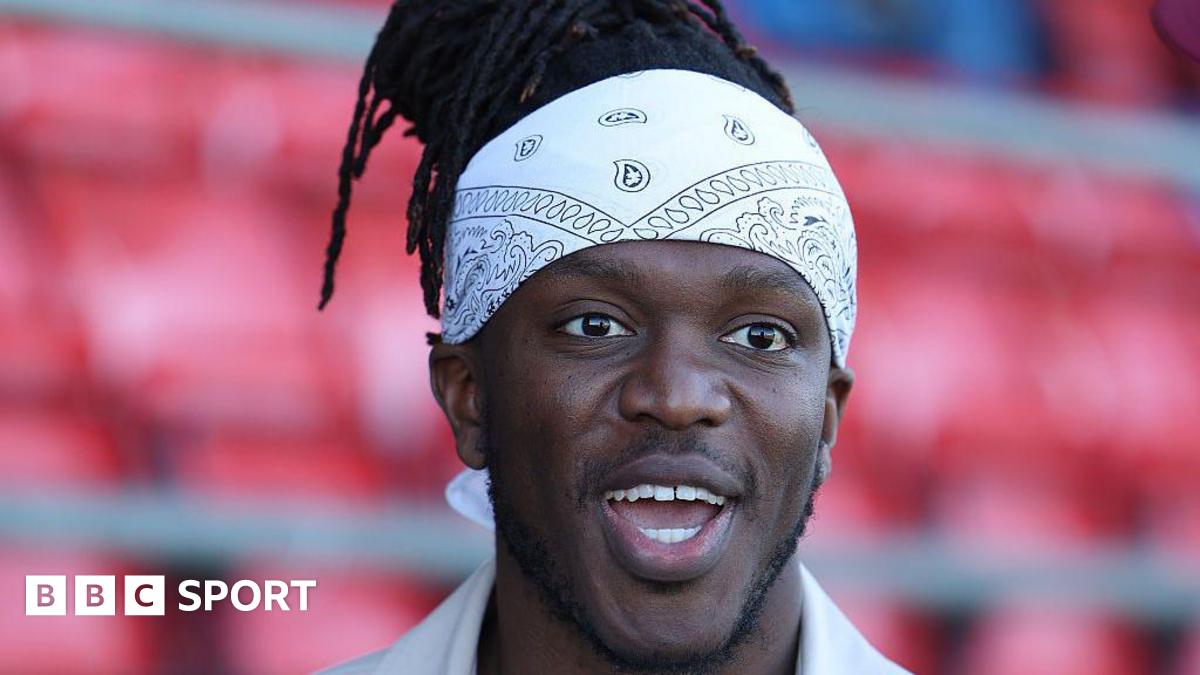
KSI intends to use his social media influence to grow the profile of Dagenham & Redbridge and take them to the Premier League.
The fee for a controlling stake in a National League club like Dagenham is estimated to be between £2 million and £5 million. For KSI, this is a relatively low-cost entry into the world of sports ownership. The real cost comes afterward. The infrastructure at the Chigwell Construction Stadium would need a total overhaul to meet EFL standards. The training ground facilities are currently those of a semi-professional outfit. The gap between where they are and the Premier League is not just a league table issue; it is a structural one.
A Critical Observation: Content vs. Community
There is a significant downside to this proposed takeover. Dagenham & Redbridge is a community club with a loyal, if small, local following. These fans have stayed through the lean years. The risk of turning the club into a 'content hub' for the Sidemen or Misfits Boxing is that it alienates the very people who make it a football club. We have seen this with other 'project' clubs where the local atmosphere is replaced by tourists looking for a selfie with the owner.
Furthermore, KSI’s statement about reaching the Premier League lacks a realistic timeline. It sounds like a marketing pitch rather than a footballing plan. The National League is notoriously physical and difficult to escape. You cannot 'influencer' your way past a wet Tuesday night at Gateshead or a disciplined Boreham Wood defense. If the focus is on growing the 'profile' at the expense of building a scouting network, the project will fail. The Daggers need better defenders, not just more YouTube views.
Probability and Timeline
The probability of this deal moving forward is high. KSI has a track record of following through on his public declarations of business intent. The probability of the club actually reaching the Premier League, however, remains extremely low. It is a 15-year project that requires a level of consistency that few clubs ever find. We should expect an official announcement regarding a partnership or minority stake within the next six months as the club prepares for the 2026/27 season.
The expected timeline for the first promotion—returning to League Two—would be 2-3 years. Anything faster would require a level of spending that might trigger financial fair play concerns even in the lower leagues. The club's current owners have been looking for investment, and KSI represents the biggest possible 'get' in terms of brand recognition. It is a marriage of convenience for a club that has run out of ideas and an entrepreneur looking for his next big stage.
The Expected Impact
If this deal goes through, Dagenham & Redbridge will immediately become the most followed club in the National League. Their social media metrics will dwarf those of some Premier League teams. This will lead to an influx of sponsorship revenue from brands that would never normally consider the fifth tier. On the pitch, the impact will be slower. The club will be able to attract players from the leagues above by offering higher wages and the promise of being part of a 'global project'.
The long-term impact on the National League could be transformative. It might trigger a wave of similar investments from other creators, turning the lower leagues into a testing ground for new-age sports marketing. For the fans at Dagenham, it is a gamble. They are trading their anonymity for a shot at the big time. Whether that 'big time' ever arrives, or they just become a background set for a YouTube video, remains the primary concern. The Daggers are about to become the most talked-about team in non-league football, for better or worse.
Read Next