Andy Robertson is leaving Liverpool. The news broke via The Guardian this morning, signaling the end of an era. It also signals something far more clinical. The human body can only handle so many maximum-intensity sprints before the structural integrity of the lower body begins to fail.
Robertson is not simply moving on for a new challenge. His departure is a medical inevitability. Playing left-back for Liverpool over the last decade required a physiological output that borders on the extreme. You cannot cheat the biological cost of high-speed running. The explosive bursts down the touchline accumulate microscopic tears in the muscle fibers. Over time, those tears turn into chronic stiffness. The cartilage in the knees thins out.
The physiological cost of high-intensity football
When you analyze Robertson's injury history over his illustrious career at Anfield, the pattern of physical degradation is abundantly clear. His game was built on relentless energy and an anaerobic threshold that allowed him to recover faster than his opponents. He was a machine operating at maximum capacity. But the body keeps a ledger. His severe shoulder injury sustained while playing for Scotland against Spain in late 2023 was a turning point. A dislocated shoulder requires surgical stabilization. The joint capsule is never the same.
While a shoulder issue seems unrelated to running, the biomechanics of sprinting rely heavily on the upper body. The arm drive dictates the knee drive. If a player loses even two percent of their shoulder mobility, their sprinting mechanics compensate. That compensation places uneven stress on the lower back and the hamstrings. Every slight alteration in running gait places more pressure on the joints below it.
We have seen this before with elite fullbacks. Patrice Evra hit a physical wall and never recovered his peak speed. Branislav Ivanovic went from being an immovable object on the right flank to a physical liability in the span of six brutal months at Chelsea. The decline is rarely a slow curve. It is a cliff. One month the player is overlapping with pace, and the next month they are caught out of position, unable to track back.
Robertson's departure highlights a broader industry trend. Modern football is breaking its players. The demands of the calendar, specifically with the expanded FIFA World Cup coming in just 62 days, leave players with inadequate recovery windows. The off-season no longer exists in any meaningful way for elite international athletes. Muscle fibers do not have the necessary time to fully repair.
When a player hits their early thirties, the fast-twitch muscle fibers that generate explosive power begin to atrophy naturally. The body shifts its composition. You lose that initial, devastating burst of acceleration that separates elite players from average ones. For a player like Robertson, who relies on getting to the byline to deliver crosses, losing a half-step means crosses are blocked. It means wingers beat him on the inside. The margins in the Premier League are simply too tight to survive a physical drop-off.
Liverpool's medical team surely recognized the data. GPS tracking vests monitor high-speed running distance, acceleration frequency, and deceleration load. Deceleration is the hidden, silent killer of knees in modern football. The sheer force required to stop a sprinting body puts immense strain on the patellar tendon. Over hundreds of matches, the wear and tear is irreversible. The decision to let Robertson leave is cold, hard sports science.
De Zerbi's tactical demands at Tottenham
While Liverpool deals with the reality of an aging squad, Tottenham faces a different physical challenge. Roberto De Zerbi is taking over in North London. The media frenzy is already starting.
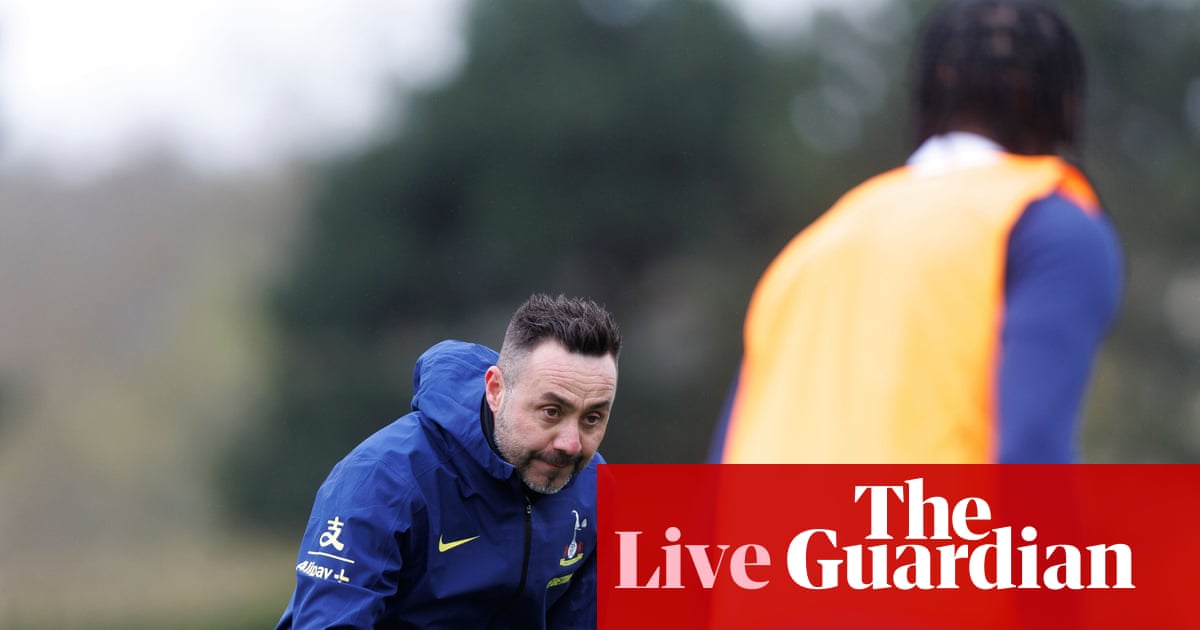
Roberto De Zerbi’s maiden press conference as Spurs head coach is likely to be today’s hottest ticket.
But the real story is what happens on the training pitch. De Zerbi's tactical system is incredibly demanding. He ignores the relentless pressing triggers of Jurgen Klopp's old system. Instead, he baits the opposition deep into his own half before executing explosive, vertical transitions. This requires massive anaerobic power. Players must go from a standing start to an absolute dead sprint in a fraction of a second.
This tactical shift is a nightmare for a medical department. Every time a new manager brings a high-intensity system to a club, soft tissue injuries spike. We saw it when Klopp arrived at Liverpool in 2015. We saw it when Ange Postecoglou arrived at Spurs in 2023. Tottenham's players are about to face a physical shock.
De Zerbi's history at Brighton offers a warning. His teams play beautiful football, but his medical staff often struggled to manage the load. Brighton suffered severe injury crises under his watch. The Italian manager demands perfection in training, which means the volume of high-speed running during the week remains high. Players enter matches already carrying physical fatigue.
The failure of load management
Tottenham's medical department has to take the blame for past failures. They repeatedly rushed players back from hamstring injuries, only for them to break down weeks later. Their management of soft tissue injuries has been deeply flawed. De Zerbi will not give them the luxury of patience. He needs his players sharp immediately.
This presents a massive problem for the Spurs squad. Players like Micky van de Ven rely entirely on their explosive pace. Van de Ven has a history of high-grade hamstring tears. The biceps femoris muscle in the back of his thigh has already been compromised. Placing him in a system that demands constant, violent acceleration is a massive risk. If De Zerbi does not adapt his training methods, Tottenham will have five players on the treatment table by October.
The changing physiology of the modern game
The sport is getting demonstrably faster with every passing season. The ball is in play longer. The introduction of stricter stoppage-time rules has added an extra ten minutes of load to every match. That extra ten minutes is pure aerobic strain. Players are emptying the tank, and then being asked to play another match three days later.
We are seeing a rise in syndesmosis injuries, commonly known as high ankle sprains. The speed of the game means tackles are arriving a fraction of a second later. The force transferred through the ankle joint during a late challenge is enough to tear the ligaments holding the tibia and fibula together. It is a mathematical certainty that injury rates will continue to climb.
Clubs are finally waking up to the reality that tactical profiling must match medical profiling. You cannot sign a player with a history of knee tendinopathy to play in a De Zerbi system. The recruitment departments must work closer with the sports scientists. When a player's GPS data shows a consistent drop in peak sprint speed, the club must act. The days of keeping a player purely for their dressing room influence are over.
Liverpool acted. Letting Robertson go is painful for the fans, but medically necessary. They are protecting the club's future. Tottenham, on the other hand, is rolling the dice. They are ignoring the inherent physical risks of De Zerbi's methodology in pursuit of tactical dominance. Their gamble might pay off with a trophy, but the physiological cost will be immense.
These are the two ends of the football lifecycle. Liverpool is shedding a player whose physical ceiling has dropped. Tottenham is bringing in a manager who will test the absolute limits of his squad's physical capacity. Both clubs are making calculated decisions based on the bodies of their athletes.
The medical rooms will be busy. The sports scientists will be stressed. The cycle of high-speed running, muscle damage, and surgical intervention will continue. Football is marketed as a beautiful game, but behind the scenes, it is a brutally demanding physical business. The human body is simply the currency used to pay for it.
Read Next
- Andy Robertson's Liverpool exit leaves him at a tactical crossroads
- Roberto De Zerbi at Spurs is a beautiful disaster waiting to happen
- Arsenal's medical team faces the ultimate title race dilemma
- Andy Robertson's Anfield exit marks the end of an era
- 🏴 Scotland World Cup 2026 — Tartan Army Hub