Nostalgia is the ultimate monetization tool
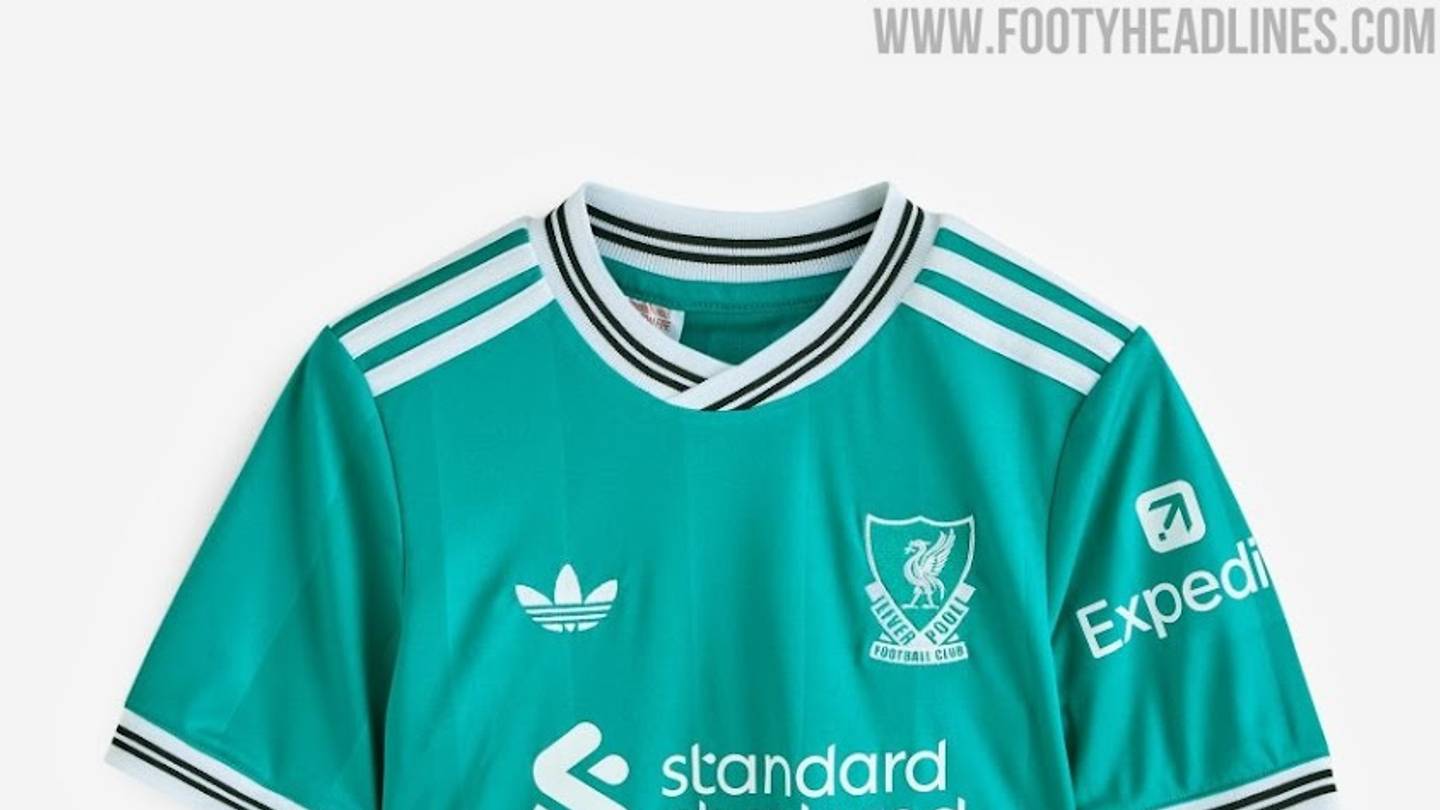
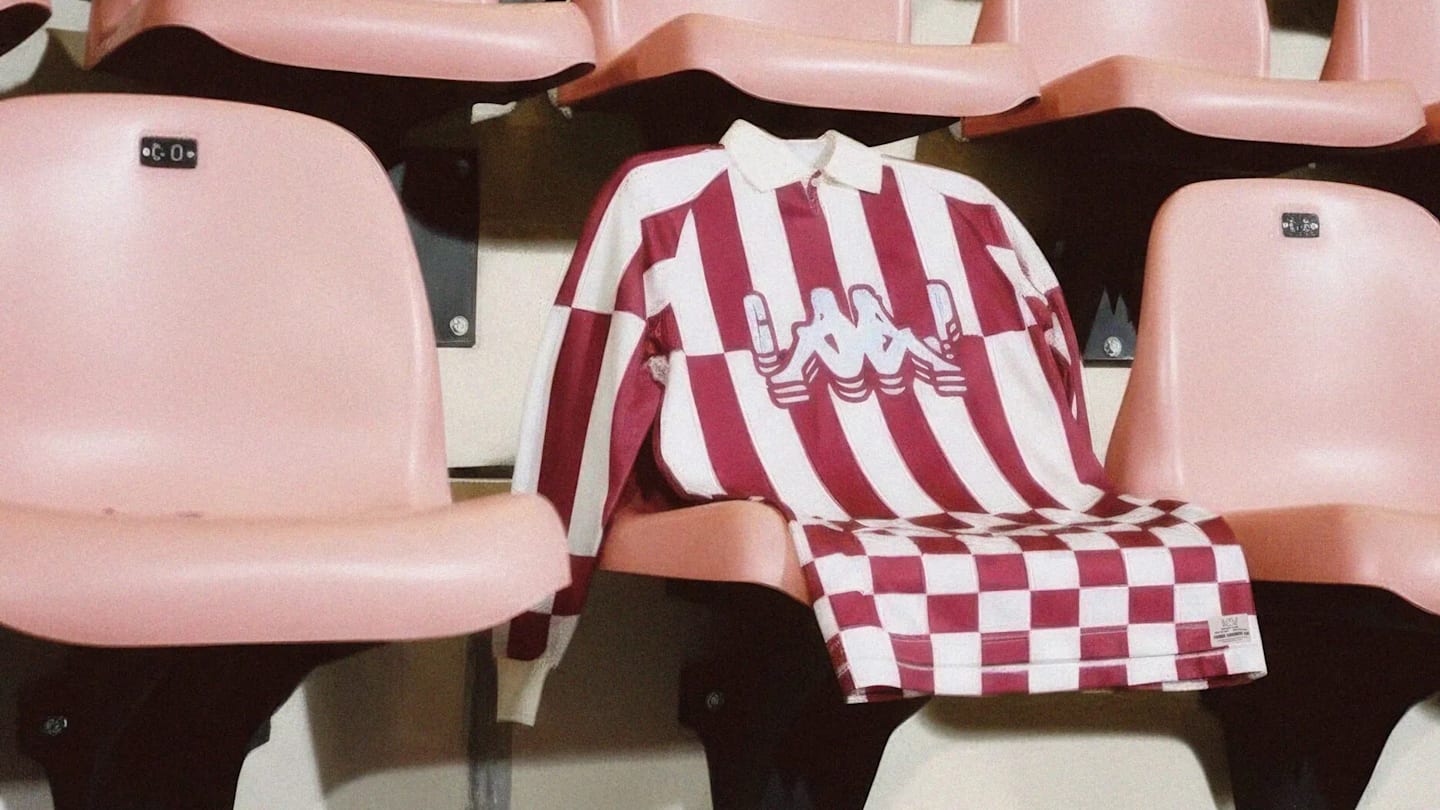
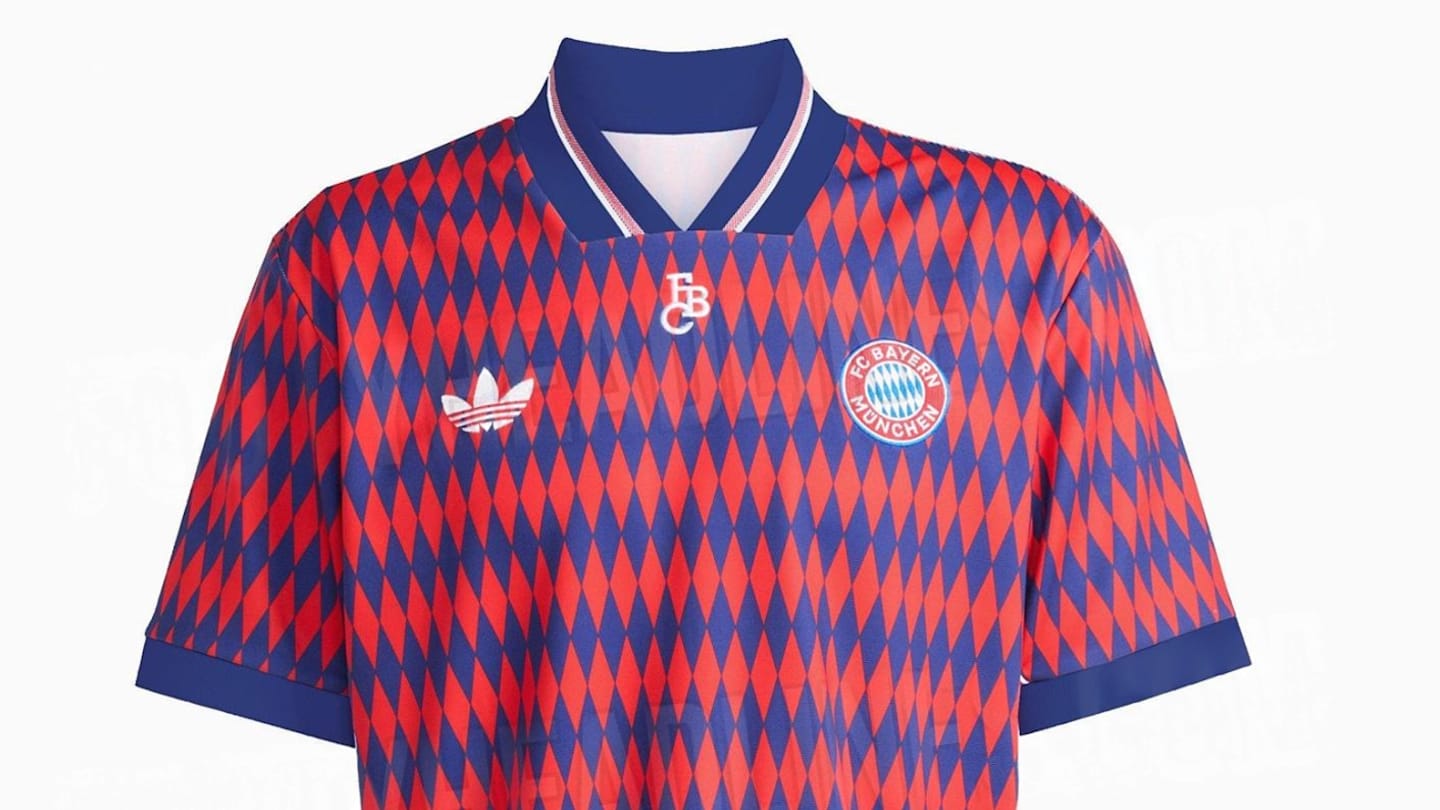
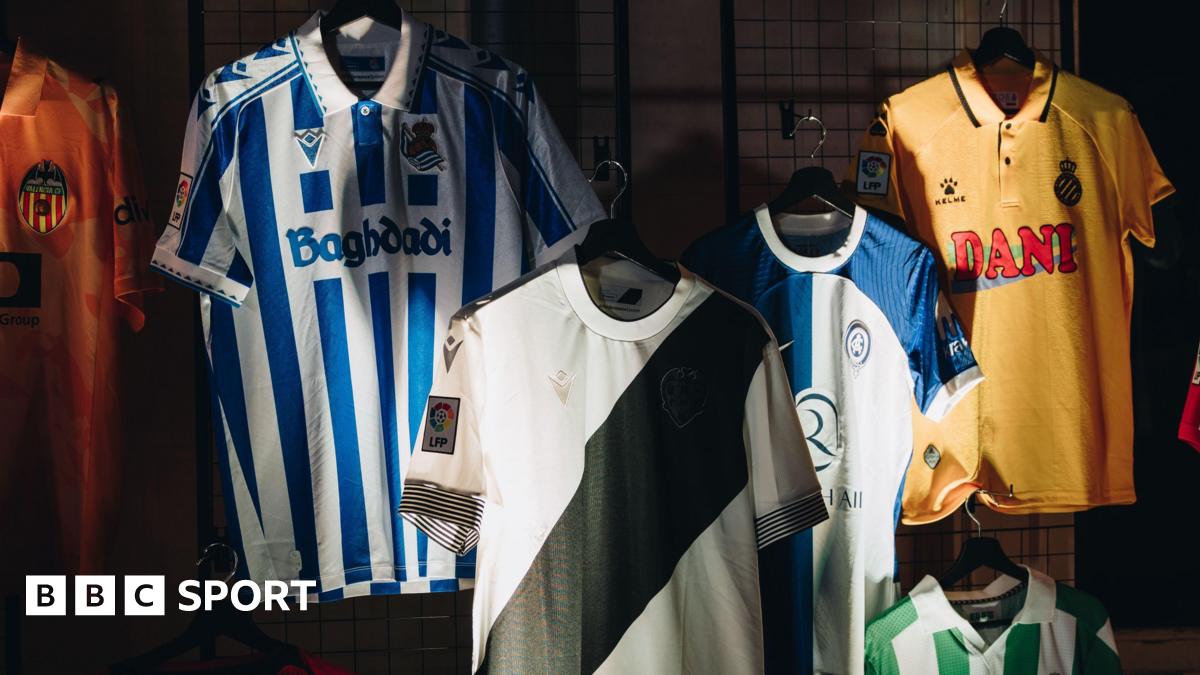
If you tune into Spanish football this weekend, you might think you accidentally loaded up a match archive from twenty years ago. As the BBC reported, numerous La Liga sides are donning retro kits for their upcoming fixtures. On the surface, it looks like a fun, harmless nod to the past. But if you think this is a spontaneous celebration of football heritage, you are ignoring the ruthless commercial reality of the modern game.
Football clubs have hit a wall when it comes to standard merchandising. The traditional cycle of releasing a home, away, and third kit every summer is no longer sufficient to feed the revenue expectations of massive ownership groups. Fans are experiencing product fatigue. You can only reinvent a plain white or striped shirt so many times before supporters decide to just keep wearing last year's version.
The retro kit weekend is not a standalone event. It is a highly calculated test balloon. My prediction is entirely straightforward. Within the next three seasons, every major European league will mandate a specialized, league-wide 'throwback round' designed explicitly to sell a fourth or fifth matchday shirt.
What La Liga is doing right now is providing the blueprint. They are measuring engagement, tracking social media impressions, and most importantly, monitoring retail conversion rates. To understand where European football is heading, you only need to look at American sports.
The NBA model is coming to European football
The NBA completely obliterated the traditional home-and-away uniform concept years ago. They introduced City Editions, Statement Editions, and Earned Editions. Teams now wear five different uniforms in a single season, often with zero connection to their historical color palettes. It is a merchandise machine that prints money.
European football executives have been watching this with intense envy. They have tried to push boundaries with fourth kits and special collaboration releases, like PSG's Jordan brand tie-ups or Juventus working with Palace. But those were isolated incidents. A coordinated, league-wide retro weekend creates a massive, unified marketing event.
It forces every fan base to engage simultaneously. The problem is that football's connection to its aesthetics is deeply tribal. When a club messes with its core identity, the backlash is usually severe.
But retro kits bypass that resistance entirely. You cannot complain about a club altering its history when they are literally wearing an exact replica of a beloved shirt from 1996. It weaponizes nostalgia against the fan's wallet.
The financial squeeze on the matchgoing fan
Here is the fundamentally cynical part of this entire operation. Clubs know exactly what they are doing to matchgoing fans and parents. The cost of a modern authentic replica shirt easily clears €140 at most top-tier clubs.
Families are already priced out of keeping up with the standard summer releases. Dropping a mandatory, limited-edition retro kit in the middle of the spring run-in is an aggressive financial squeeze. It targets the emotional vulnerability of supporters.
You see your star striker score a last-minute winner in a beautiful, sponsor-free 1980s throwback design, and suddenly that shirt becomes a piece of history you feel compelled to own. It is manufactured scarcity. We are already seeing the quality of standard kits decline as manufacturers cut costs on mass-market replicas.
Now, we are expected to believe that these mid-season retro releases will be handled with premium care? The reality is that many of these designs will be rushed out, using cheap templates, simply to capitalize on the weekend's marketing push. It is a brilliant business move, but it is deeply exploitative of the fan base.
What the data tells us about kit sales
If we look at recent retail trends across Europe, classic football shirts have become a booming secondary market. Companies specializing in vintage kits have seen exponential growth. Clubs have realized they are leaving money on the table by letting third-party vendors profit off their intellectual property.
By producing these retro kits themselves and wearing them in official, competitive La Liga matches, clubs instantly legitimize the new product. It is no longer just a remake; it is a piece of current-season matchday gear. This completely undercuts the vintage market.
Why buy a used, faded shirt from 1998 when you can buy the exact same design, freshly manufactured, with your current favorite player's name on the back? The success of this La Liga initiative will dictate the timeline for the rest of Europe. If the sell-through rates hit the projections that commercial directors are undoubtedly banking on, the Premier League and Serie A will follow suit immediately.
The television broadcasters will love it, too. It provides easy talking points, ready-made graphics packages comparing current players to club legends, and a fresh visual identity for a weekend of fixtures that might otherwise lack narrative weight. Once the domestic leagues establish this as a standard practice, UEFA will inevitably step in.
The inevitable expansion to continental competition
The Champions League is the ultimate storefront for football merchandise. Imagine a Champions League quarter-final where both teams are mandated to wear retro designs from their past European Cup triumphs. It sounds appealing from a purely aesthetic standpoint.
I would love to see AC Milan and Real Madrid face off in classic, minimalist kits. But the motivation behind it taints the execution. It transforms a competitive sporting event into a glorified runway show for club megastores.
There is a significant logistical hurdle that makes this La Liga trial run so fascinating. Modern football clubs are bound by incredibly strict, multi-million euro sponsorship agreements. The company paying €40 million a year to have their logo plastered across a team's chest expects visibility for all 38 league games.
How do you convince a modern airline or tech firm to step aside for a weekend so a club can wear a sponsor-free 1970s throwback? The answer is that you usually don't. This is where the execution of these retro kits often falls flat.
Clubs end up taking a classic, beloved design and slapping a modern betting company logo right in the middle of it. It ruins the aesthetic entirely and exposes the pure commercial intent behind the project. It creates a jarring visual disconnect that infuriates the very fans they are trying to sell the shirt to.
Furthermore, broadcasters have strict guidelines regarding kit clashes and visual accessibility. Retro kits, especially those from eras before high-definition television, were not designed with modern broadcasting standards in mind. We are going to see instances where these classic colors clash horribly on screen, confusing viewers and frustrating commentators.
The Premier League, which is notoriously fastidious about its visual presentation, will be watching this La Liga experiment closely to see how the broadcasters handle the sudden influx of unpredictable color palettes. Despite the logistical challenges and the inevitable fan cynicism, the financial incentives are simply too massive to ignore. The barrier to entry for clubs is incredibly low.
They already own the intellectual property. They already have the manufacturing relationships. All they need is the league's permission to wear the shirts on the pitch.
The verdict: a permanent fixture in the calendar
La Liga has given them that permission. The floodgates are officially open. We are moving toward a future where a club's visual identity is entirely fluid, dictated by quarterly revenue targets rather than historical tradition.
The retro weekend will soon be joined by the eSports collaboration weekend, the local artist weekend, and whatever else the marketing departments can dream up. Football is a business that relies on infinite growth in a finite market. You can only sell so many tickets.
You can only negotiate so much for television rights before the broadcasters push back. Merchandise is one of the few areas where clubs believe they can still extract significantly more capital from their most loyal consumers.
This weekend in Spain is not a nod to the past. It is a loud, undeniable preview of football's hyper-commercialized future. My prediction holds firm. By August 2027, the 'Retro Round' will be a formalized, heavily monetized staple of the global football calendar, complete with its own dedicated broadcasting sponsors and inflated retail pricing. We are watching the death of the traditional kit cycle in real-time.
Read Next
- Milan's Attack Needs a Revolution. Is Mason Greenwood the Answer?
- Mamadou Sakho's 'Truth' and the Ghost of a Career That Could Have Been
- The Premier League just broke the Champions League and fans are losing it
- Klopp's ruthless streak is still haunting his former players
- ⚽ La Liga 2025-26 — Title Race Hub