Hemp's status updates following Wembley clash
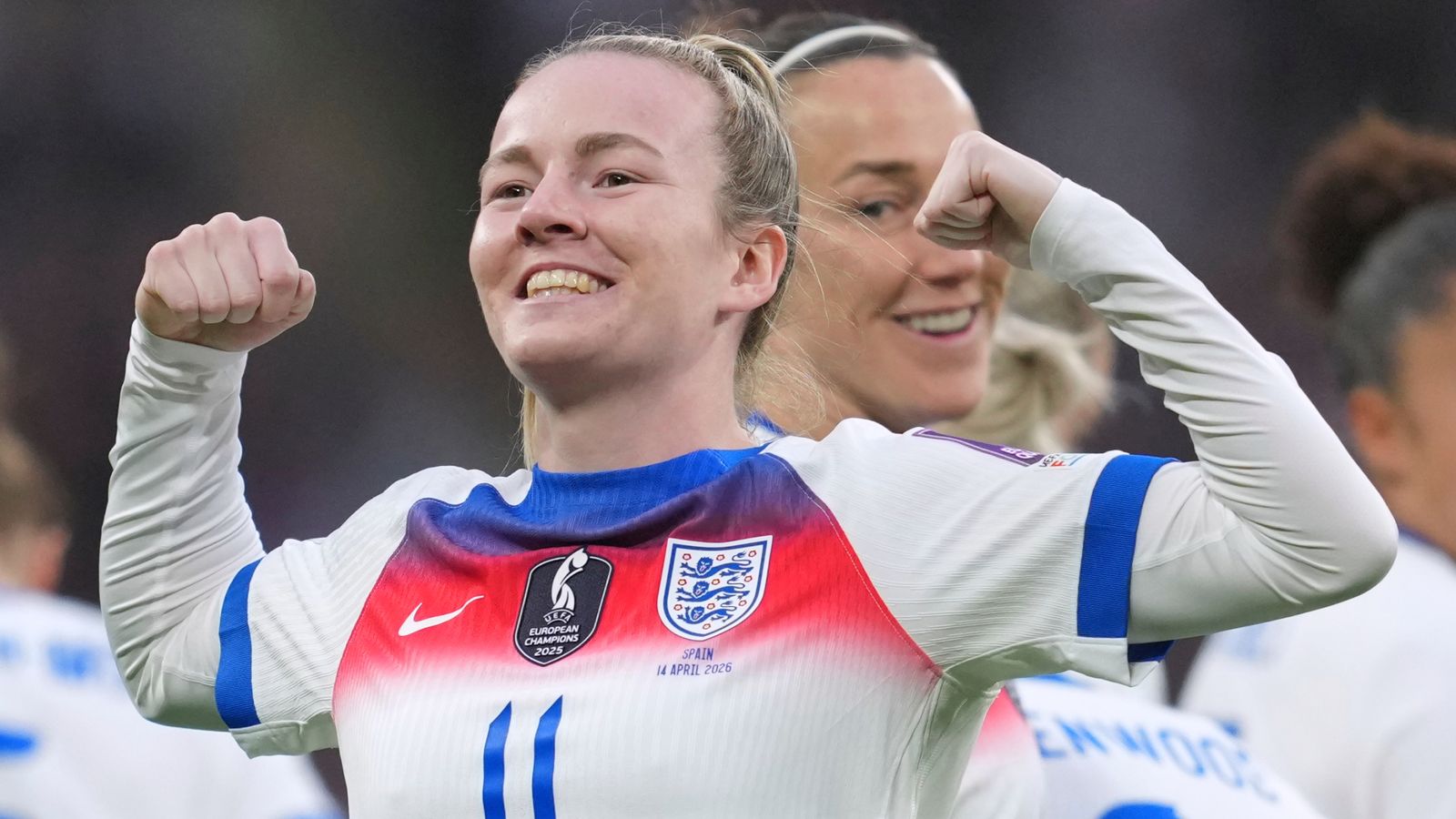
Lauren Hemp, the architect of England's 1-0 victory over Spain in this evening's World Cup qualifier, was forced off the pitch late in the second half. The goalscorer, who netted the fastest-ever competitive goal for the Lionesses at Wembley inside the 3rd minute, appeared clutching her lower leg after a challenge in the final quarter of the match.
While internal assessments are ongoing, team medical staff have not yet provided a confirmed diagnosis for the injury. The speed of the substitution, however, sent a wave of concern through a crowd of over 80,000. Her exit forced Sarina Wiegman to reorganize a defensive structure already tasked with neutralizing a persistent Spanish attack.
The impact of a potential layoff
Hemp has been the focal point of the Lionesses' tactical shift since the Euro 2025 final. Losing her presence for the final three qualifying fixtures would be a significant blow to a manager who values continuity in these high-stakes matches. For the latest on the team’s tactical adjustments under Wiegman, you can check out these tactical takeaways from today's game.
Historically, aggressive pressing forwards like Hemp often face calf or hamstring fatigue as international schedules reach their peak. The reliance on her speed to pull defenders wide is a staple of this England setup, and any prolonged absence would force Wiegman to pivot away from a proven winning formula. The team is currently in a strong position to secure an automatic spot for the 2027 World Cup in Brazil, but health remains the primary variable in that equation.
Strategic concerns for Wiegman
Beyond the individual injury, tonight’s match underscored the difficulty of sustaining a lead against technical sides like Spain. After Hemp’s opener, England spent the remainder of the evening absorbing pressure. As BBC Sport noted during the broadcast, the manager is still searching for the right balance to best utilize secondary creative threats like Lauren James when the primary outlet is under duress.
While the result was a triumph, there were lapses. England was fortunate to escape the 80th minute unscathed after a goal-line scramble resulted in a crossbar hit, followed by a reflex save from Hannah Hampton to deny Edna Imade. Relying on last-ditch defensive heroics is not a sustainable model for long-term tournament success. If the Lionesses are to maintain their lead in Group A3, the recovery of their key attackers is non-negotiable.
Contextualizing the Wembley performance
The return of Mary Earps to address the crowd rounded out an evening defined by a mix of nostalgia and current-cycle pressure. Despite the emotional weight, the performance was purely industrial. England moved the ball quickly during the opening ten minutes but shifted into a defensive block early, a strategic choice that left the midfield isolated for long spells.
Critics will argue that sitting back with such a lead against a side that dominates possession is a dangerous game. It invites pressure that forces injury-prone players to work harder without the ball. As the team waits for a formal medical update, the focus shifts to whether the current squad depth can replicate the output of a player who has become the defining figure in England's current attacking cycle. Updates on her recovery will be monitored closely by both the national team and domestic stakeholders.
Read Next
- England’s win over Spain hides a lingering tactical headache
- Liverpool’s defensive crisis deepens as injury report creates UCL headaches
- Cristian Romero's season is over and Spurs are officially in trouble
- Gabriel Jesus is already looking for the Arsenal exit door
- 🇪🇸 Spain World Cup 2026 — La Roja Hub