Tactical fallout from the first leg
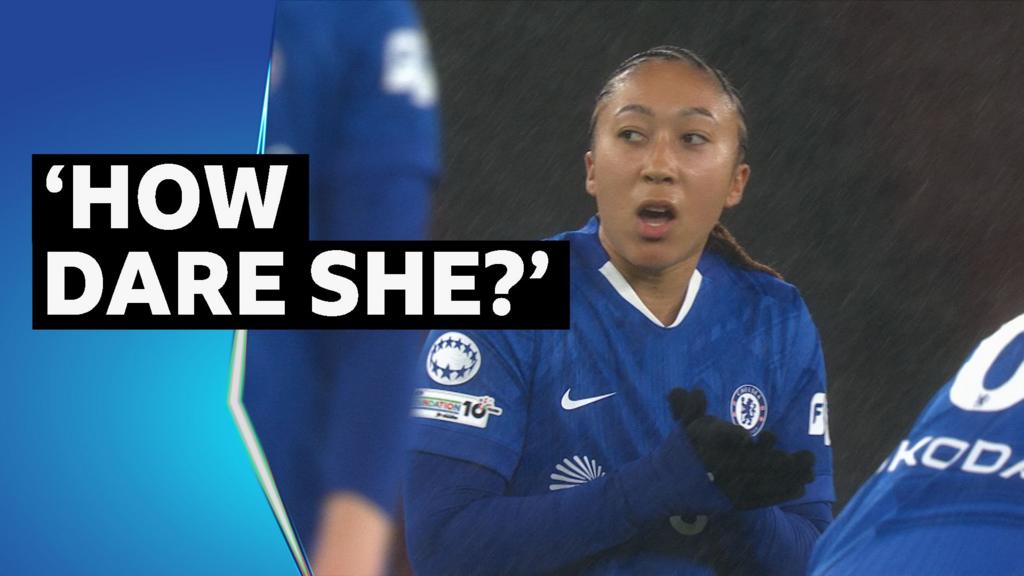
Having Lauren James on your team provides a dangerous sense of comfort. When structure fails, when passing lanes evaporate, when the opposition executes a flawless pressing trap, she can simply erase the deficit with a spectacular curling effort. We saw it clearly in the first leg as Arsenal pinned Chelsea deep in their own half.
The patterns were breaking down. The midfield pivot was getting suffocated by Arsenal's aggressive man-to-man marking scheme. And then, from absolutely nothing, James finds the top corner to get Chelsea right back into the game and change the mood entirely.
"One of the best goals I've seen"
That was how the broadcast described it, and they were entirely right to be stunned. But relying on that kind of magic is not a sustainable tactical plan. As we look ahead to the decisive second leg of this Women's Champions League quarter-final, Chelsea have serious questions to answer.
Arsenal's pressing triggers
Let’s look at how Arsenal dominated the opening exchanges of the tie. They didn't just press high; they pressed with specific triggers designed to isolate Chelsea's center-backs. Whenever the ball went to the right-sided center-half, Arsenal’s left winger jumped instantly, cutting off the passing lane to the full-back.
This forced Chelsea to play centrally, right into the teeth of Arsenal's midfield block. Lia Wälti and Kim Little were exceptional at anticipating those central passes. They didn't even need to tackle most of the time, choosing instead to intercept and immediately launch aggressive transitions.
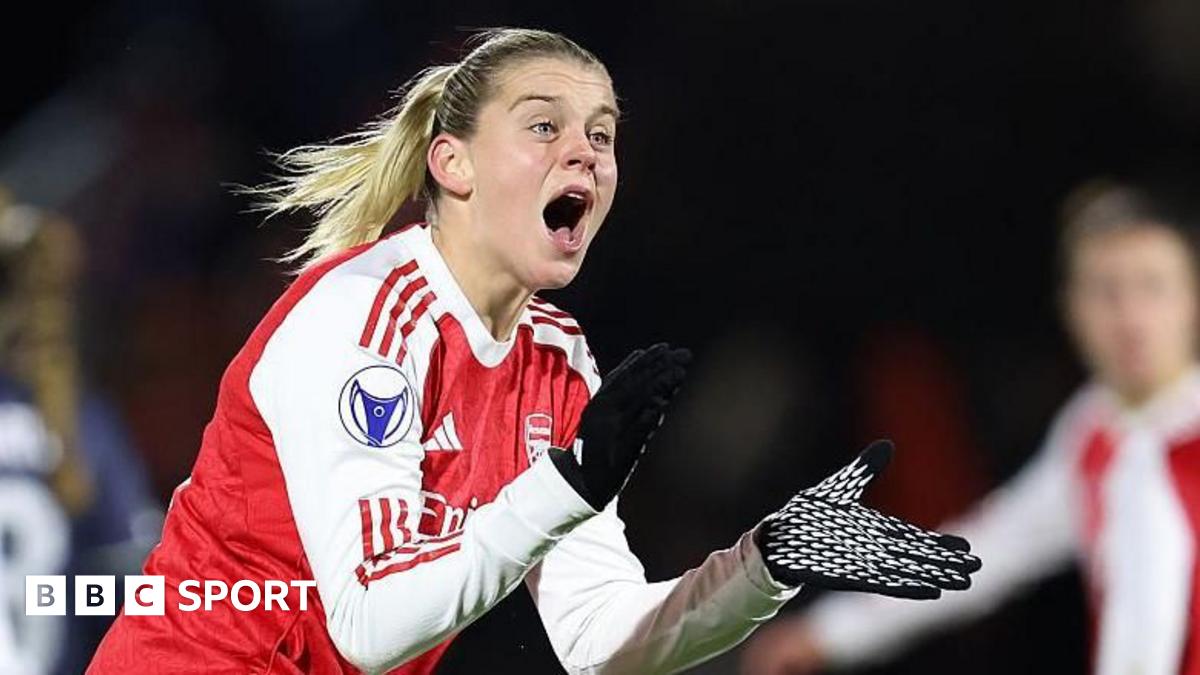
Chelsea looked genuinely rattled by the aggressive intensity, with Erin Cuthbert spending most of the first half chasing shadows. The spacing between Chelsea's defensive line and their midfield was consistently far too large. This structural flaw offered Alessia Russo massive pockets of space to drop into and link play.
The wide overloads
It is a recurring issue for Chelsea this season. When they face a team willing to match their physicality in the middle third, they tend to bypass the midfield entirely. That leads to hopeful long balls, which Leah Williamson and Lotte Wubben-Moy swallowed up with ease all evening.
Where Chelsea did find joy, even before the James wonder-goal, was in the wide areas. When they managed to break the initial press, they quickly shifted the ball out to the flanks. Niamh Charles pushed incredibly high up the left side, effectively operating as an auxiliary winger rather than a full-back.
This created a constant headache for Arsenal's right side. Do you track Charles and pull your defensive line out of shape, or do you pass her off and risk a numbers disadvantage against the full-back? Arsenal opted to drop their winger deep, which blunted their own counter-attacking threat on that side of the pitch.
It was a pragmatic choice, but perhaps the wrong one in hindsight. By dropping so deep, Arsenal invited sustained pressure. They gave Guro Reiten the time to pick her crosses without any serious harassment, and the endless waves of pressure eventually cracked their focus.
Defensive frailties
Chelsea need to exploit these wide areas even more aggressively in the second leg. If they can pin Arsenal's wingers back, they severely limit the threat of a quick counter-attack. It is a battle of territorial dominance as much as it is about creating clear-cut chances.
Neither team looks completely secure at the back, which makes this tie so fascinating. Arsenal's transition defense has been suspect for months now. When they turn the ball over high up the pitch, their center-backs are often left exposed against quick forwards.
Chelsea are fully aware of this tactical flaw. They will look to exploit it by leaving a forward high, ready to sprint onto direct balls over the top. If Arsenal’s counter-press fails to stop the ball at the source, they will find themselves in incredibly vulnerable situations.
But Chelsea are equally flawed defensively. Their high defensive line is a high-risk, high-reward strategy that demands absolute perfection. When the press is disjointed—as it was for much of the first leg—it invites total disaster.
Arsenal had three clear chances from simple balls played in behind Chelsea's full-backs. The timing of the runs from the Arsenal forwards was excellent, constantly catching the Chelsea defenders flat-footed. This is exactly where the tactical battle will be won or lost.
The midfield and set-piece battlegrounds
Football at this level is almost always decided in the center of the park. We talk endlessly about the forwards, but the engine room dictates the terms of engagement. Arsenal’s midfield trio operated with a fluidity that Chelsea simply could not match, forming neat triangles and offering the ball carrier viable passing options.
Chelsea, by contrast, looked rigid and completely uninspired. They played in straight lines, making their attempts to play through the center sluggish and totally predictable. They desperately need a tactical rethink before the whistle blows, whether that means dropping an attacker to add an extra body in midfield or instructing the full-backs to invert.
If Chelsea try to play the exact same way they did in the first leg, Arsenal will control the tempo with ease again. You cannot expect Lauren James to pull a rabbit out of the hat every single time. That is not a strategy; it is a desperate hope masquerading as a tactical plan.
The coaching staff must address the glaring disconnection between the midfield and the attack. Too often, the front line was completely isolated, forced to feed off scraps and long punts from deep. They need sustained possession in the final third, not just fleeting moments of transition.
The set-piece battle
We cannot ignore the importance of dead-ball situations in a tie this closely contested. Arsenal have been incredibly inventive with their corner routines throughout this campaign. They utilize short options, decoy runs, and clever blocks to create shooting opportunities from the edge of the penalty area.
Chelsea's marking on set pieces was frankly dreadful in the opening leg. They looked confused about whether they were operating a zonal system or going man-to-man. That hesitation is deadly against a team as well-drilled as Arsenal.
On the flip side, Chelsea pose a massive threat from wide free-kicks. When you have delivery as precise as Guro Reiten’s, every single foul is a genuine goalscoring opportunity. Arsenal must stay disciplined and avoid making rash challenges out wide.
Key Matchups to Watch
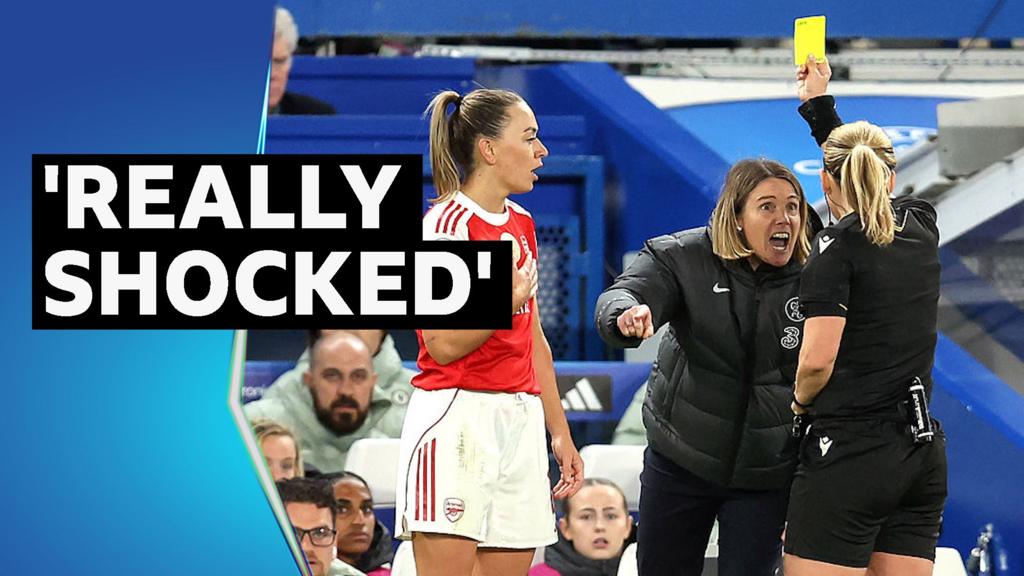
The individual duels will be fascinating to watch unfold. The battle between Lauren James and Katie McCabe is pure box office. McCabe is aggressive, tenacious, and absolutely loves dragging opponents into a gritty physical battle.
James is elusive, technically brilliant, and entirely capable of making excellent defenders look foolish. McCabe cannot afford to dive in blindly. If she overcommits, James will roll her and mercilessly expose the massive space left behind.
On the other side of the pitch, keep an eye on Alessia Russo against Millie Bright. Russo loves to drop deep and drag center-backs out of their comfortable starting positions. Bright is a traditional, aggressive defender who wants to engage and win the physical battle early.
If Russo can pull Bright into the midfield area, it creates massive gaps for Arsenal's wingers to exploit by darting inside. Chelsea have to decide whether Bright follows Russo everywhere or passes her off to a holding midfielder. That communication has to be absolutely flawless, because one missed assignment means Arsenal are through on goal.
Looking ahead to the decisive second leg
In knockout European football, the margins are brutally thin. A single lapse in concentration, a poor touch in a dangerous area, or a missed marking assignment on a corner kick can end seasons. Both squads are acutely aware of the massive stakes.
Arsenal will feel they let Chelsea off the hook in the first tie. They clearly had the tactical edge, but they failed to put the game to bed when they had the chance. Chelsea will feel immense relief after surviving their own poor performance thanks to a moment of individual brilliance.
This sets up a fascinating psychological dynamic for the return leg. Arsenal know they can hurt Chelsea systematically. Chelsea know they have the raw firepower to score out of absolutely nothing, creating a brilliant clash of systemic dominance against explosive potential.
Tactical adjustments
What should we expect in the decisive second leg? Arsenal are highly unlikely to change their approach since their system worked beautifully, requiring only slightly better execution in the final third. They will look to replicate their intense pressing and dominate the central areas once again.
Chelsea are the ones who must adjust their shape. They cannot allow Arsenal to dictate the terms of the game again. Expect them to focus on three immediate adjustments:
- Bypassing the central press with direct diagonal balls to the wingers.
- Instructing the full-backs to invert, adding an extra body to the midfield engine room.
- Triggering an aggressive counter-press the moment they lose the ball high up the pitch.
If they can disrupt Arsenal's carefully choreographed build-up phase, they can quickly tilt the balance of the game in their favor. A high-intensity start is non-negotiable for the home side. The first 15 minutes will dictate the entire match.
If Chelsea come out flat and disjointed again, Arsenal will punish them severely. The crowd will demand high intensity, meaning Chelsea have to set the tempo early, put a heavy tackle in, and make a clear statement of intent.
The Verdict
This is a brutally difficult match to call with any certainty. Arsenal have the better tactical structure right now, and they look significantly more cohesive as a unit. They manipulate space brilliantly and their midfield passing combinations are a genuine joy to analyze.
But Chelsea have the sheer match-winners. They have players who can defy the basic logic of the game. You can completely dominate them for the entire match, and they will still find a way to score, which is the hallmark of a team that simply knows how to win.
However, I think Arsenal's clear midfield superiority will eventually tell the story. Chelsea are far too open in transition, and their build-up play is too predictable to survive another relentless onslaught. Arsenal will absorb the early pressure, control the center of the pitch, and mercilessly exploit the spaces Chelsea leave behind.
I expect a tight, incredibly tense affair, but Arsenal should just about edge it. They will win the midfield battle, and ultimately, they will win the tie. Arsenal to advance with a 2-1 victory on the night.
Read Next
- Arsenal just exposed Chelsea's glaring European flaws
- Alessia Russo is Arsenal's Swiss Army knife and it might be a problem
- Arsenal's record-breaking Alvarez push and Chelsea's Milan raid
- Arsenal's Carabao Cup disaster and the terrible 10 days breaking Chelsea
- ⭐ UCL 2026 — Champions League Quarter-Finals Hub