The Darlow intervention and the evolution of Leeds' goal-line security
For months, the narrative surrounding Leeds United has been one of high-octane offensive output shadowed by a chronic inability to secure the back door. As they host Wolves at Elland Road on April 18, 2026, that dynamic has undergone a fundamental shift. The selection of Karl Darlow is not merely a rotation for the sake of fresh legs; it is a tactical pivot toward a more conservative, shot-stopping-first philosophy that the squad has lacked since the turn of the year.
As Sky Sports reported in their live coverage, Darlow’s presence was immediately felt. His stunning save to maintain a 2-0 lead wasn't just about reflexes; it was about a starting position three yards deeper than what we typically see from Illan Meslier. By sacrificing the aggressive sweeping role, Darlow has effectively neutralized the low-percentage, high-velocity efforts that have plagued Leeds throughout the spring. This is a deliberate trade-off that prioritizes the stability of the 18-yard box over the high defensive line's mobility.
Wolves arrived in West Yorkshire with a specific blueprint: exploit the space behind the Leeds fullbacks. However, Gary O’Neil’s side has found itself suffocated in the middle third. Leeds’ double pivot has stayed remarkably disciplined, refusing to be drawn out by the baiting runs of Mario Lemina. This patience has forced Wolves into wide areas where their crossing accuracy has dipped below 18% for the opening hour of play. It is a masterclass in controlled aggression, a far cry from the frantic lunges we saw during the winter slump.
The pressing triggers that paralyzed the Wolves engine room
The success of this Leeds performance lies in the nuance of their pressing triggers. Under the lights at Elland Road, the tactical instruction is clear: do not press the center-backs. Instead, the trigger is the first touch of the Wolves wing-backs. By allowing the initial pass out from the back, Leeds are funneling the ball into a touchline trap where the numbers are heavily weighted in their favor. This has effectively cut off the supply line to Matheus Cunha, who has been reduced to a frustrated figure wandering deep into his own half just to see the ball.
Leeds are currently operating with a PPDA (Passes Per Defensive Action) of 8.2, their most aggressive metric in the last six weeks. This isn't a mindless sprint toward the ball; it is a calculated squeeze. When the ball enters the middle-third 'kill zone,' three Leeds players converge simultaneously, focusing on the passing lanes rather than the man. This structural integrity is why Wolves have struggled to record a single shot on target from open play before the 60th minute mark. The tactical discipline shown by the front four in tracking back has been the unsung hero of this 2nd-half lockdown.
However, no system is without its flaws. Leeds still exhibit a worrying tendency to switch off during defensive transitions following their own set-pieces. On two occasions, Wolves were able to bypass the entire midfield with a single vertical pass from Max Kilman. Had it not been for the positional recovery of Ethan Ampadu, the clean sheet would have evaporated long ago. This remains the primary concern for the remaining fixtures—a lingering fragility that a more clinical side, perhaps one with the technical quality of a Champions League contender, would have exploited ruthlessly.
Tactical stagnation and the failure of the Wolves wing-back system
Wolves have looked tactically bankrupt in the face of Leeds' mid-block. O’Neil’s insistence on the 5-4-1 defensive shape has transitioned into a sluggish 3-4-3 that lacks any verticality. The wing-backs are being pinned back by the high starting positions of the Leeds wingers, creating a five-man defensive line that is redundant when the opposition is only playing with one central striker. It is a waste of personnel that has left Wolves outnumbered in the most critical area of the pitch: the center circle.
By the time the Wolves coaching staff attempted to shift to a 4-2-3-1 to match Leeds man-for-man, the momentum had already swung. The game had become a series of individual duels that Leeds were winning with physical superiority. The xG battle tells a damning story for the visitors, who are currently trailing with a meager 0.34 compared to Leeds’ 1.85. This isn't a case of bad luck or a poor officiating decision; it is a systematic failure to adapt to a predictable tactical setup. Wolves are playing checkers while Leeds are controlling the board with grandmaster-level foresight.
The lack of a secondary plan from the Wolves bench is the most critical observation of the afternoon. When the primary route through the half-spaces was blocked, there was no attempt to utilize the height of their substitutes or to overload the wide areas with overlapping runs. It was a performance of stubborn adherence to a failing strategy. For a team with European ambitions, this level of tactical inflexibility is a glaring red flag that will likely result in a mid-table finish rather than a continental spot.
The road to safety and the psychological weight of Elland Road
As the clock ticks toward the final whistle, the importance of this result cannot be overstated. A win today puts Leeds five points clear of the drop zone with only four games remaining. The atmosphere in the stadium is transformational, acting as a 12th man that disrupts the communication of the opposition defense. You can see the hesitation in the Wolves center-backs whenever the crowd rises; passes that should be routine are being overhit, and clearances are being sliced out of play.
Darlow’s role in managing this atmosphere has been understated but vital. Every time he catches a cross or slows down a goal kick, he is draining the life out of any potential Wolves comeback. It is the kind of 'game management' that only comes with experience. While the younger Meslier might have looked for the quick release to start a counter-attack, Darlow recognizes that the 2-0 lead is more valuable than a speculative third goal. He is playing the percentages, and those percentages are currently heavily in Leeds’ favor.
The save in the second half wasn't just about the three points; it was about proving that this defensive unit can hold its nerve when the pressure is at its absolute peak. This is the blueprint for the rest of April.
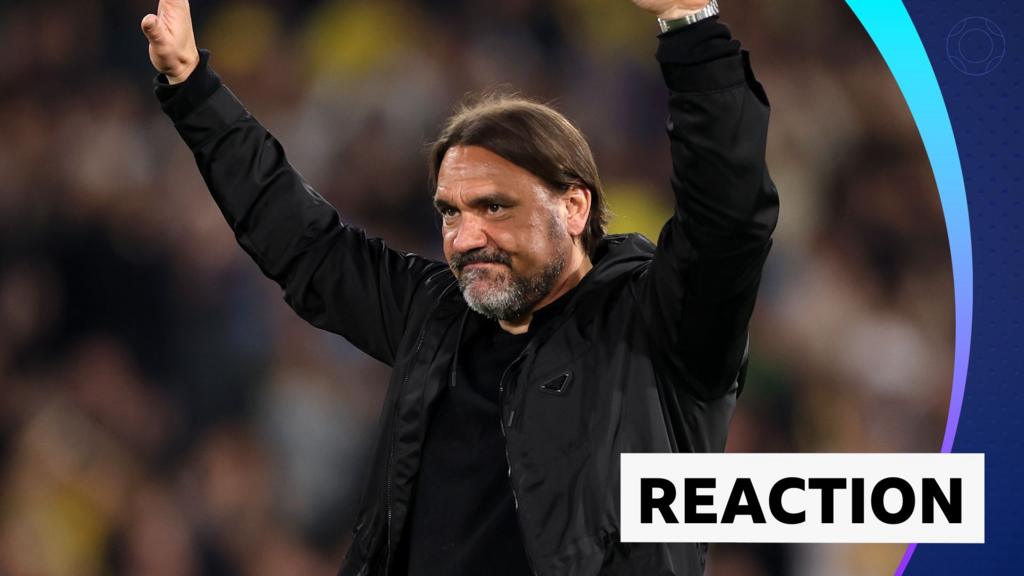
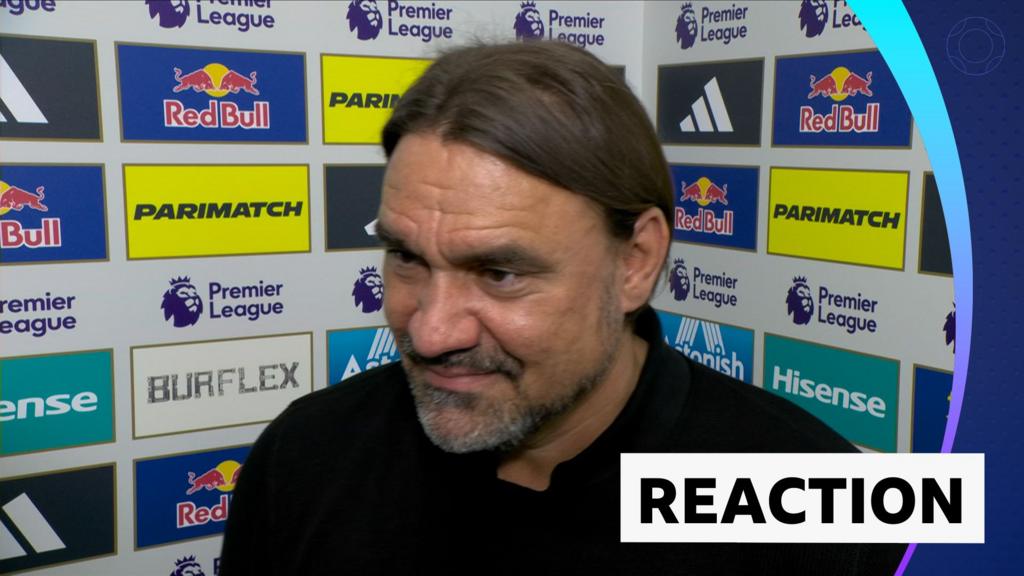
We should be wary of declaring Leeds 'safe' just yet. Their upcoming fixture list is a gauntlet of top-six sides who will not be as forgiving as this Wolves outfit. The negative takeaway here is the drop in intensity during the final ten minutes of the first half—a period where Leeds allowed Wolves to dictate the tempo and nearly conceded from a deflected cross. That lapse in concentration is a recurring ghost that Daniel Farke needs to exorcise before they travel to face the league leaders next weekend.
Final Prediction: A defensive masterclass holds firm
Leeds will see this through. The tactical structure is too rigid, and the confidence in Darlow is too high for a late collapse. Wolves lack the creative spark to break down a settled 4-4-2 block, especially one that is being backed by thirty thousand screaming fans. Expect Leeds to add a third on the break in the 88th minute as Wolves overcommit in a desperate attempt to find a lifeline. This is the afternoon Leeds finally looked like a Premier League mainstay again.
The shift from 'heavy metal football' to a disciplined, tactical grind is the most significant development of the Farke era. It isn't always pretty, and it certainly isn't the free-flowing chaos that fans have grown accustomed to, but it is effective. In a relegation battle, effectiveness is the only currency that matters. Leeds are spending theirs wisely today, and the rest of the bottom half should be very, very nervous.
Read Next
- Leeds are sticking to their guns while Wolves play musical chairs at the back
- Leeds United leading the race for Juventus star Lois Openda
- Marco Silva's midfield gamble is keeping the West London Derby in deadlock
- Bernd Leno’s left hand just cost Brentford the Top 6
- 🏟 EFL Championship 2025-26 — Promotion Race & Play-Off Final Hub