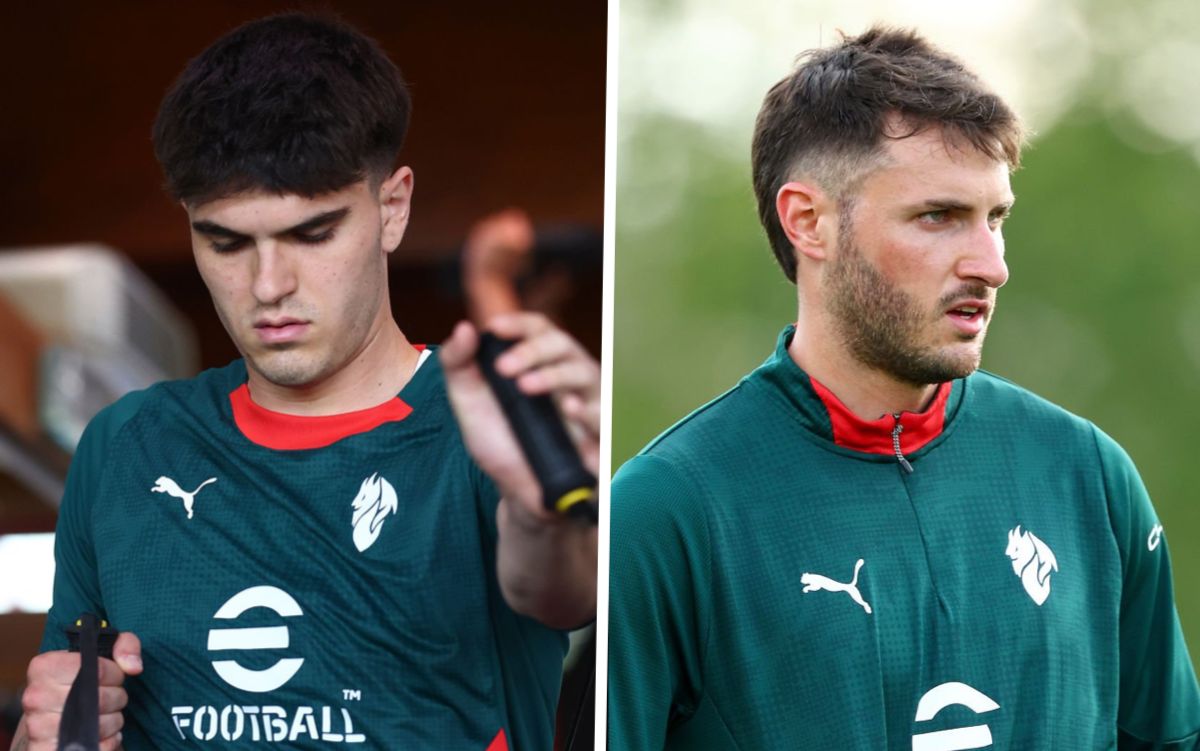
Stach sidelined following London Stadium thriller
Leeds United have confirmed a significant injury blow following their dramatic FA Cup quarter-final victory over West Ham. Midfielder Stach sustained an ankle ligament injury during the intense encounter at London Stadium, which stretched into a penalty shootout. The loss leaves Daniel Farke without a key rotation piece as the club prepares for a high-stakes semi-final showdown against Chelsea.
Manager Daniel Farke addressed the setback in his post-match briefing, citing the rigorous nature of the tie, which saw his side relinquish a 2-0 lead before ultimately triumphing. Stach, who played a role in the midfield battle that lasted over three hours due to the extended nature of the match, reportedly felt the discomfort during the final phases of play. Medical staff have since assessed the damage, confirming ligament involvement.
Timeline and tactical consequences
While the club has yet to provide an official return date, ankle ligament injuries of this nature typically require a period of rest and rehabilitation ranging from three to six weeks depending on the severity of the tear. With the FA Cup semi-final at Wembley scheduled for later this month, Stach faces a race against time to feature in the final four of the competition. His absence forces Farke into a tactical reconfiguration during one of the most condensed periods of the Leeds fixture calendar.
The physical toll on the Leeds squad was palpable throughout the ordeal at London Stadium. Beyond the injury to Stach, the club navigated a bizarre pre-showout row regarding potential police intervention that threatened to move the technical area for penalties. Farke publicly questioned the handling of the event, suggesting the disruption added unnecessary stress to an already exhausted squad that had sacrificed physical performance to hold on for the result.
Historical context and broader impact
Leeds United reaching their first FA Cup semi-final since 1987 represents a massive achievement for the club, but the schedule now mirrors the intensity of past eras where squad depth determined silverware success. In 2026, the demand placed on players is higher than ever, and losing a contributor like Stach during a deep tournament run underscores the thin margins between glory and selection crisis. Farke has leaned heavily on his core, and injuries in vital areas are the primary obstacle to ending their long trophy drought.
Questions regarding roster management will hover over Farke over the next 14 days. The team successfully navigated a hostile environment where West Ham supporters famously emptied the stands after falling behind 2-0, eventually allowing the visitors to dictate the tempo. Yet, if Leeds cannot replicate their energy in the semi-final, the lack of depth caused by this injury could leave them exposed against the tactical rigidity of Chelsea. The failure of the medical team to avoid this specific injury despite the extensive duration of the contest raises valid internal questions regarding match-load management.
Strategic implications
Moving forward, the focus shifts to Wembley. Leeds supporters are expected to descend on London in record numbers, as detailed by The Guardian’s coverage of the team's progress. However, the energy in the stands will not replace the tactical discipline Stach provided in the middle of the pitch. Farke must now decide whether to shift personnel or alter his formation to account for the gap left in his engine room.
As Sky Sports confirmed in their latest updates, Farke is already looking at contingency plans. The FA Cup semi-final marks the third major hurdle in a season that has been defined by defensive bravery and offensive gaps. Winning a penalty shootout is a test of nerves, but managing a squad through a ligament injury is a test of recruitment and coaching depth. Whether Leeds can advance further depends entirely on how quickly the medical staff can mitigate the damage from Sunday's marathon session.
Read Next
- Arsenal and Leeds are spiraling in the worst possible way
- Leeds United are dancing with giants after that FA Cup marathon
- Leeds United are dancing on the edge of a new era
- Chelsea injury list mounts as FA Cup semi-final spot secured
- 🏟 EFL Championship 2025-26 — Promotion Race & Play-Off Final Hub
- 🏆 FA Cup Final 2026 — May 16, Wembley