Michael Carrick has found the magic formula for Middlesbrough's late push
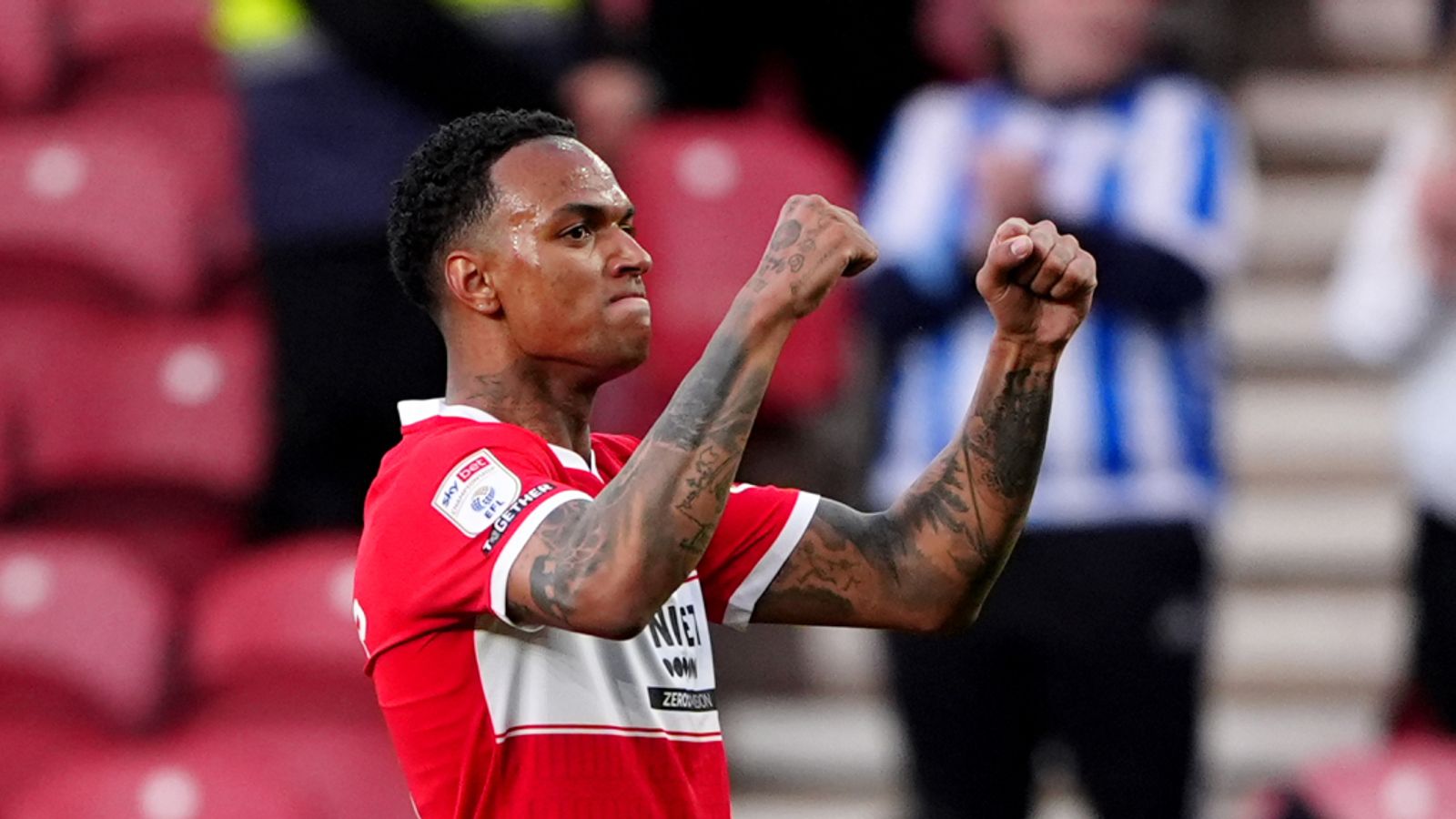
Tactical clarity at Riverside
Middlesbrough’s victory over Sheffield Wednesday isn't just another three points in a congested Championship table; it is evidence of a team finally moving past their mid-season malaise. Michael Carrick has stopped tinkering with the formation and centered the identity on verticality. The result is a side that looks significantly more dangerous than the one that struggled through February.
The win at Riverside Stadium serves as a reminder that consistency is often a byproduct of selection predictability. Carrick has abandoned the experimental three-back setups that plagued his side last month. By reinstating a high-pressing 4-2-3-1, he has allowed the attacking midfielders to dictate the tempo against an increasingly stagnant Sheffield Wednesday defensive block.
The Sheffield Wednesday defensive collapse
Danny Rohl’s side looked lost for large stretches of the match. Their inability to handle quick transitions was the primary reason for the scoreline settling at 2-0. The visitors conceded space between the lines that Championship teams rarely afford to gifted creators.
Watching the movement of the Boro forwards was a masterclass in exploiting structural hesitation. Sheffield Wednesday players stood off, allowing Carrick’s men to turn and drive with the ball. When a defense refuses to close down the half-spaces, they are essentially inviting the opposition to dictate the terms of engagement. Boro accepted the invitation with clinical efficiency.
Evaluating the final stretch
While the result was positive, there are legitimate concerns regarding how Boro will fare against more disciplined tactical setups in the coming weeks. The defensive discipline displayed against Wednesday will not be enough to break down the league's top-four who prioritize compactness over possession. Carrick needs to find a way to maintain this intensity without leaving the back four exposed to high-volume counter-attacks.
As Sky Sports noted in their match report, the victory provides a necessary momentum boost, but the upcoming fixtures represent an unforgiving hurdle. Carrick has the squad depth to rotate, but he lacks an elite target man who can hold up play when the press fails. This reliance on pace is a high-variance strategy.
Looking at the broader trajectory, Middlesbrough is playing like a team that knows exactly what its ceiling is. They aren't trying to walk the ball into the net anymore. The focus has shifted to high-percentage shots and maintaining a defensive shape that limits the opponent to peripheral opportunities. It is a pragmatic shift that suits the current personnel perfectly.
The defensive pivot points, specifically the positioning of the holding midfielders, have allowed for more aggressive overlaps from the inverted fullbacks. This wasn't happening two months ago. It suggests a team responding well to specific training ground adjustments. If they can replicate this level of defensive coordination against the league leaders, they have a genuine case for a late-season upset.
Ultimately, this win belongs to the coaching staff's decision to trust their primary system. They stopped guessing. They played their best players in their natural spots, and the scoreboard reflected that stability. Now, the burden shifts to the players to prove this wasn't an isolated tactical success.
Read Next
- Bournemouth are tactically trapped by their own possession patterns
- Bournemouth are tactically stifling Leeds before the playoff push
- Coventry City have finally broken the Championship glass ceiling
- Michael Carrick has brought quiet to Old Trafford but the board remains unconvinced
- 🏟 EFL Championship 2025-26 — Promotion Race & Play-Off Final Hub
Sport Squad FX40 40 inch Compact Mini Tabletop Foosball Table
Bring the pub classic directly to your coffee table.
Frequently Asked Questions
What tactical change has Michael Carrick implemented at Middlesbrough?
How did Middlesbrough exploit Sheffield Wednesday's defense?
Why is Middlesbrough's reliance on pace considered a high-variance strategy?
What is the primary concern for Middlesbrough's upcoming fixtures?
How have the roles of Middlesbrough's fullbacks changed?
More Coverage

Manchester United’s Summer Obsession: Why Inconsistency Defines the Strategy
29 minutes ago
Manchester United are chasing ghosts with the Leao pursuit
2 hours ago
Why England must fear Panama's disciplined low block
3 hours ago
Arsenal vs PSG: Why tactical rigidity will determine the European champion
4 hours agoLincoln City just entered the weirdest experiment in League One history
6 hours ago
Michael Skubala takes the hot seat at Ashton Gate
6 hours agoMore Analysis

Why Michael Carrick has Middlesbrough primed to break Hull's hearts
6 days, 15 hours agoMillwall's rise is a masterclass in exploiting Championship fragility
1 month, 3 weeks ago
Southampton's spy scandal will hand Middlesbrough a free pass to Wembley
2 weeks, 3 days ago
Michael Carrick is the smartest tactical choice United will probably ignore
1 month, 2 weeks agoBoro finally remember how to find the back of the net
1 month ago