
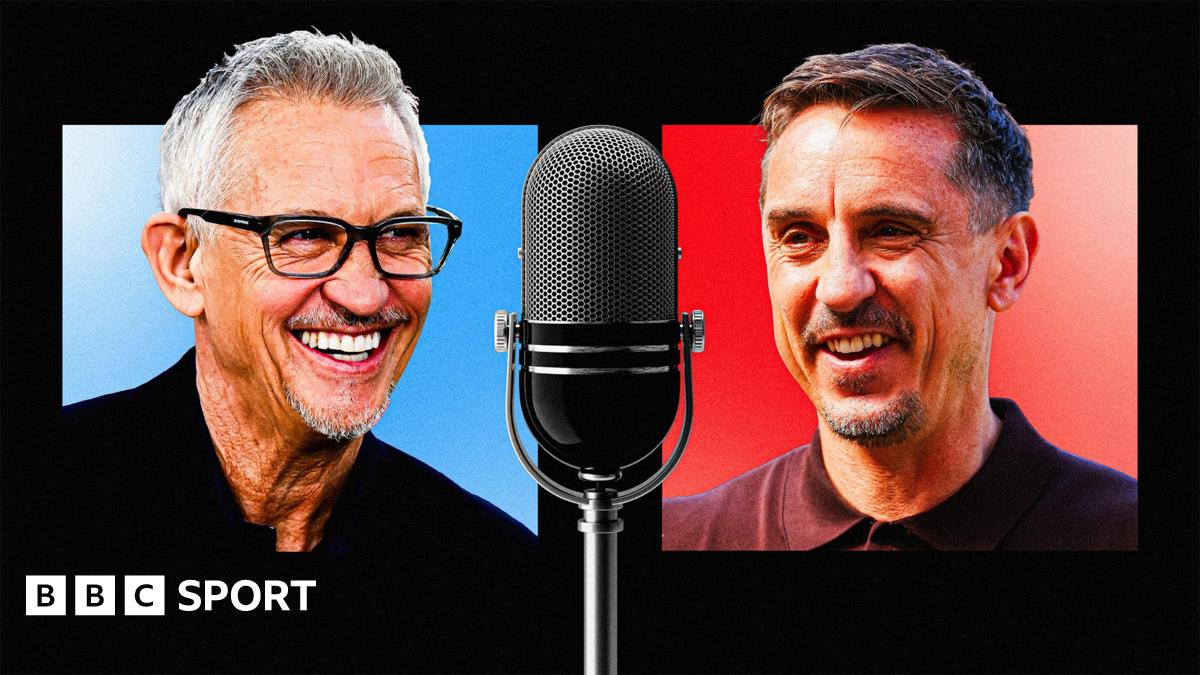
Lineker's Netflix Offensive
Gary Lineker is not just hosting the World Cup; he's orchestrating a media revolution. The former England striker, alongside Alan Shearer, will front Netflix’s 2026 FIFA World Cup coverage from a custom-built Times Square studio, a deal reportedly valued at a staggering £14 million. This monumental move escalates an already intense “podcast war” with fellow pundit Gary Neville, fundamentally reshaping the landscape of football broadcasting and leaving traditional powerhouses like the BBC struggling to keep pace.
The scale of Lineker’s new venture with Netflix is ambitious. A state-of-the-art studio is under construction in a high-rise overlooking Times Square, set to become the nerve center for the streaming giant’s World Cup analysis. This isn't just about studio space; it's a strategic play for global reach and a direct challenge to established sports media. Alan Shearer, Lineker’s long-time Match of the Day colleague, will join him in this new endeavor, solidifying a familiar and popular pairing for a fresh audience.
The £14 million deal, as reported by the Daily Mail, isn't just a hefty paycheck; it's a strategic investment by Netflix to cement its place in live sports broadcasting. This valuation highlights the premium placed on trusted, charismatic voices like Lineker's in a fragmented media landscape. His role will extend beyond mere commentary, aiming to deliver the kind of in-depth, personality-driven analysis that has become his trademark. The choice of a Times Square mega-studio signals Netflix's intent for a grand, global spectacle, leveraging the iconic New York location to amplify its World Cup coverage. The detail of Lineker's reported return to the "Hand of God" stadium – a poignant nod to football history where Diego Maradona scored his controversial goal against England in 1986 – adds a layer of evocative storytelling, promising a narrative depth often missing from standard broadcasts. This move by Netflix is less about incremental gains and more about a seismic shift in how major tournaments are covered and consumed.
The Punditry Proxy War
Neville vs. Lineker: The Changing of the Guard
The rivalry between Lineker and Gary Neville has simmered for years, often framed as a "podcast war." Both ex-professionals have successfully transitioned into media moguls, building considerable influence beyond their playing careers. While Lineker's latest move with Netflix is a clear escalation, Neville has also carved out a significant media presence, particularly with The Overlap, which has expanded its reach and influence in recent years. This dynamic competition pushes both figures to innovate, constantly seeking new platforms and formats to engage fans.
The BBC sports editor Dan Roan, in his analysis, positions both Gary Lineker and Gary Neville as "two of the biggest players" in a rapidly transforming media industry. This transformation isn't just about traditional television punditry but extends into digital content, podcasts, and social media influence. Neville, with his Sky Sports commitments and successful YouTube channel, The Overlap, has pioneered a more direct, unfiltered style of football discussion. His interviews and fan interactions have cultivated a loyal following, demonstrating the power of a strong personal brand. The "podcast war" moniker captures the essence of their parallel but competitive ventures into audio content, where authentic, long-form discussions often outperform conventional programming. Lineker, while maintaining his prime BBC role, has also expanded his digital footprint, leveraging his vast social media presence and popular 'Match of the Day Top 10' podcast. Their simultaneous rise reflects a fundamental craving from audiences for more accessible, less formal football analysis, moving away from corporate-controlled narratives. This competition ensures a constant push for innovation, with each pundit vying for audience attention and lucrative partnership deals in an increasingly crowded market.
Legacy Broadcasters Lagging
BBC's Mounting Challenge
Perhaps the most significant casualty of this evolving media landscape is the traditional broadcaster. The BBC, once the undisputed home of football analysis in the UK, finds itself increasingly outmanoeuvred. The Daily Mail explicitly notes that the BBC is "being left behind" in this media arms race. This isn't merely about losing one pundit; it's indicative of a systemic struggle to compete with the financial might and agile strategies of streaming services and independent media ventures.
The BBC's predicament highlights a broader vulnerability for legacy broadcasters. The explicit claim from the Daily Mail that the BBC is "being left behind" is a stark assessment of its diminishing competitive edge in attracting and retaining top-tier football talent. Public service broadcasters operate under strict fiscal and editorial guidelines, which often preclude them from engaging in the kind of multi-million-pound bidding wars that Netflix can initiate. This financial disparity makes it increasingly difficult for them to secure exclusive rights to major sporting events or to hold onto their most popular on-screen personalities. The impact goes beyond just presenter lineups; it affects the entire ecosystem of sports coverage, potentially fragmenting viewership and eroding the communal experience of watching big tournaments on free-to-air television. As streaming services become the primary hubs for global events, the BBC risks being relegated to a secondary role, offering highlights rather than comprehensive live coverage. This trend is a critical concern for public broadcasting, suggesting a future where access to premium sports content becomes increasingly privatized and paywalled.
Gary Lineker's Netflix deal for the 2026 FIFA World Cup marks a watershed moment in football media. It’s a bold statement from a streaming giant, a significant win for Lineker, and a clear sign that the "podcast war" with Gary Neville is evolving into something far grander. As money continues to pour into digital content and personal brands solidify their media empires, the traditional broadcasting model faces an increasingly uncertain future. The game for football audiences is no longer just on the pitch; it's a fiercely contested battle across every screen.


