Messi medical concerns mount ahead of tournament
Argentina faces a nightmare scenario just five days before their opening match. Lionel Messi is currently managing a recurring lower-body strain that has limited his participation in tactical drills during the base camp sessions in North America. Medical staff are proceeding with extreme caution to avoid a long-term setback.
The 39-year-old was absent from the full-squad warm-up on Thursday. Instead, he worked with a specialized physiotherapist on the adjacent pitch, focusing exclusively on light agility work and stationary ball control. This is the latest hurdle in a high-pressure buildup for the captain.
The shadow cast by physical workload
History suggests this kind of soft-tissue management is tricky. Messi has historically relied on rhythm to stay sharp; removing him from team play disrupts the final tactical adjustments. The medical team is wary of the increased intensity necessitated by the format of this extended tournament.
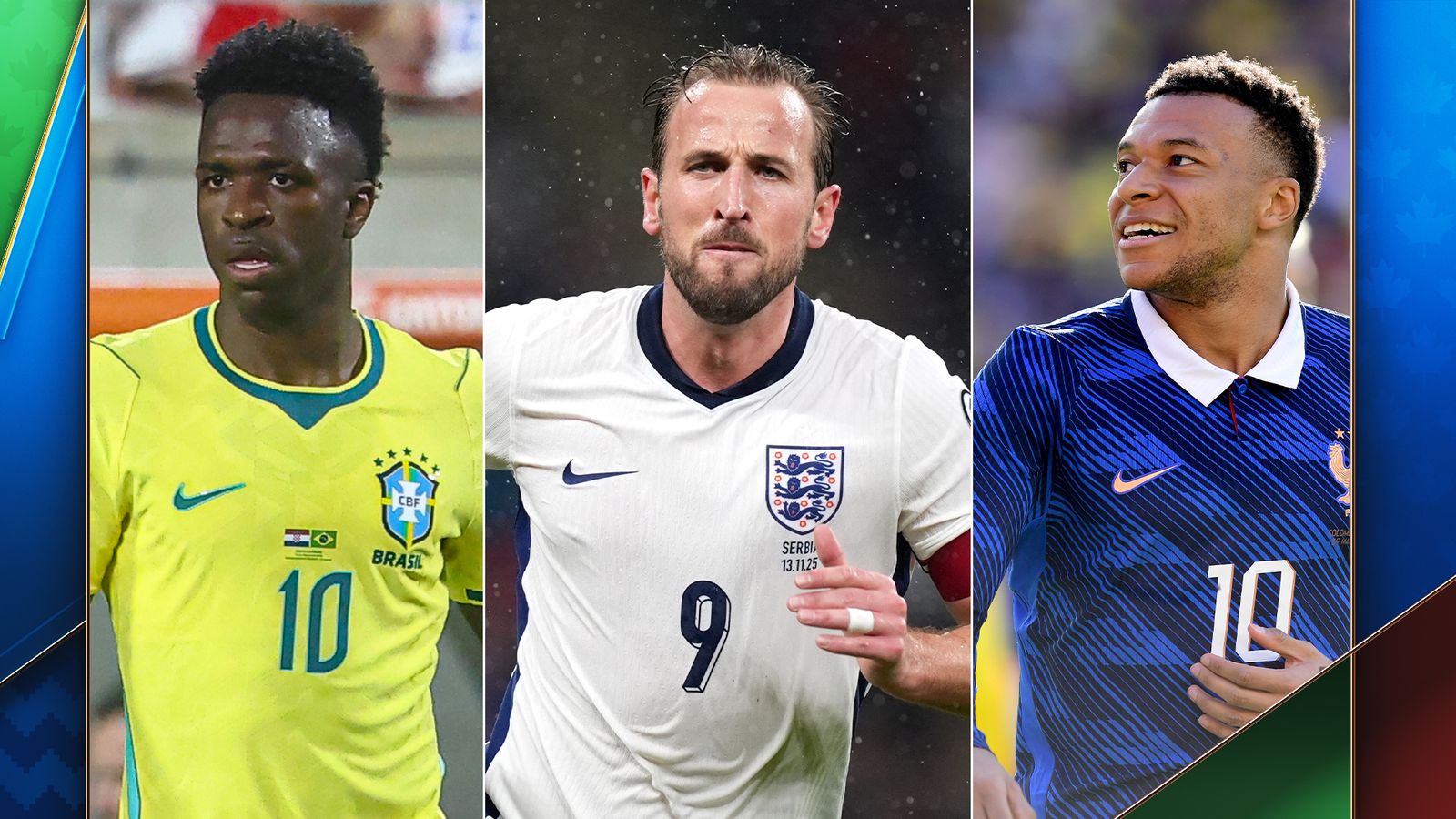
Competitors like Brazil and France are monitoring these reports closely. If Messi misses the group stage opener, his availability for the knockout rounds becomes a massive gamble. The team’s reliance on his playmaking remains absolute, which makes this specific injury trend a major red flag for their title defense.
Strategic implications for Scaloni
Lionel Scaloni is now juggling two distinct game plans. One revolves around Messi operating as a deep-lying playmaker, while the alternative sees the team shifting to a higher-pressing unit that doesn't depend on a single creative focal point. This lack of certainty is a failure in logistical preparation.
Managing a player of his age in these conditions is an exhausting task. If the medical staff cannot get him to a 100% threshold before the first whistle, they are trading his legacy for a short-term gamble. The risk of re-injury in the 85th minute of a tight game against a low-block defense is statistically far too high.
Historical context and the reality of age
Players reaching their late 30s at the top level often struggle with recovery cycles. We saw a similar breakdown in 2024 when the muscle fatigue hit a critical point during the league season, causing him to sit out key matches. This isn't a new issue; it is a recurring tax on a career that spans over two decades of elite performance.
Critics argue the staff should have rotated the squad earlier to mitigate this buildup. Watching him train solo while the rest of the squad runs high-intensity drills highlights a lack of synchronization between training load and game readiness. It feels disjointed.
Expectations for the opener
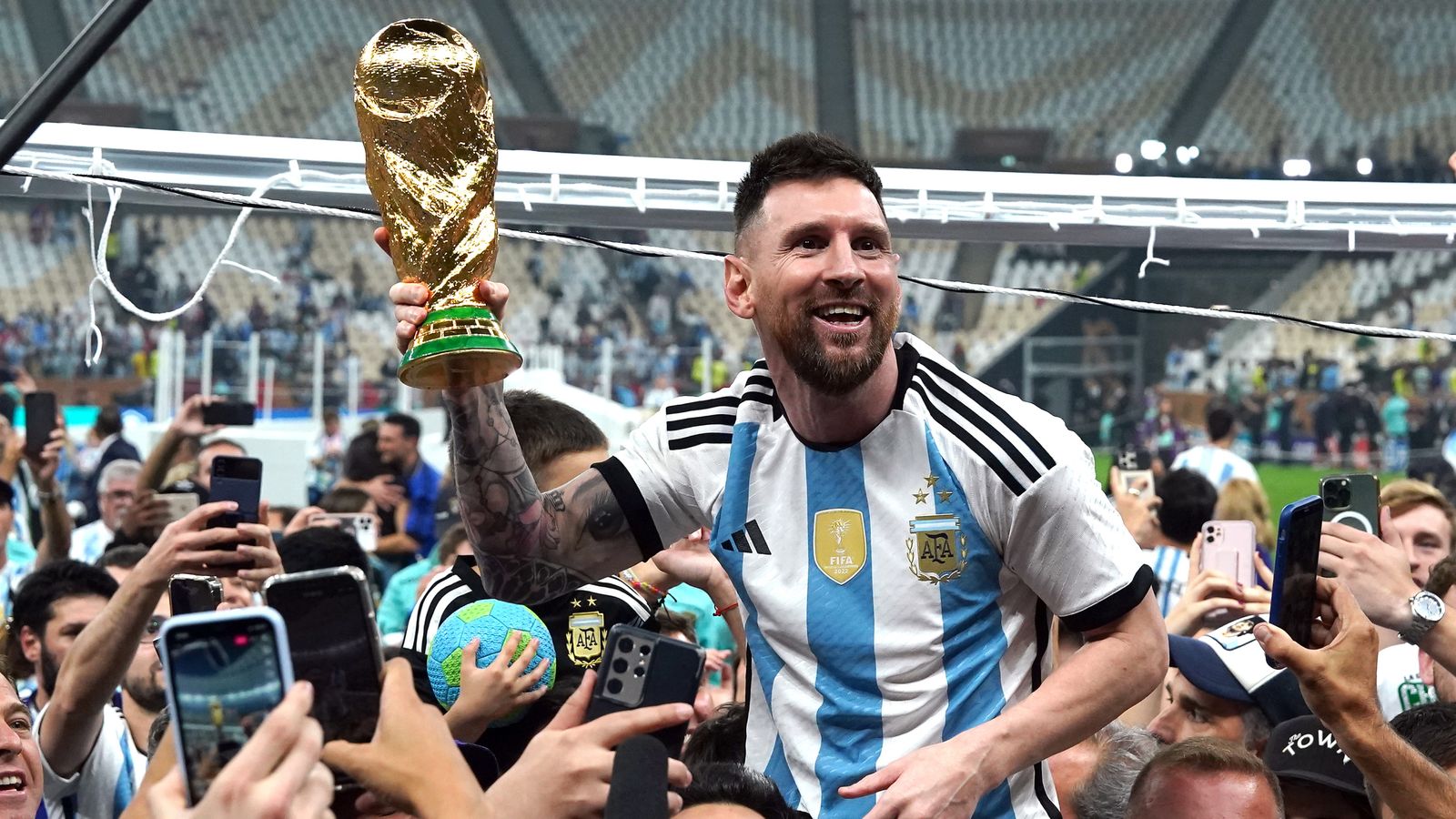
Sources inside the camp suggest a decision regarding his inclusion in the starting XI will be made no later than 48 hours before kickoff. They need him to survive 90 minutes without compensatory injuries to other muscle groups. The pressure to win a second consecutive title is immense, but the human body doesn't respect narratives.
Whether he manages to eclipse his predecessors depends on this recovery window. If he plays, it will be at a diminished capacity compared to his peak. The medical staff is now the most important unit in the squad, tasked with the near-impossible goal of keeping a legend on the field for just one last run.
Read Next
- Argentina’s Long Goodbye: Can Messi Rewrite History in 2026?
- Julio Enciso World Cup status in jeopardy after Nicaragua friendly
- June friendly schedule carries high risk for World Cup hopefuls
- Liverpool medical crisis hits as Arne Slot stays on the sidelines
- 🏆 World Cup 2026 — Full Coverage Hub
- 🇦🇷 Argentina World Cup 2026 — Defending Champions Hub