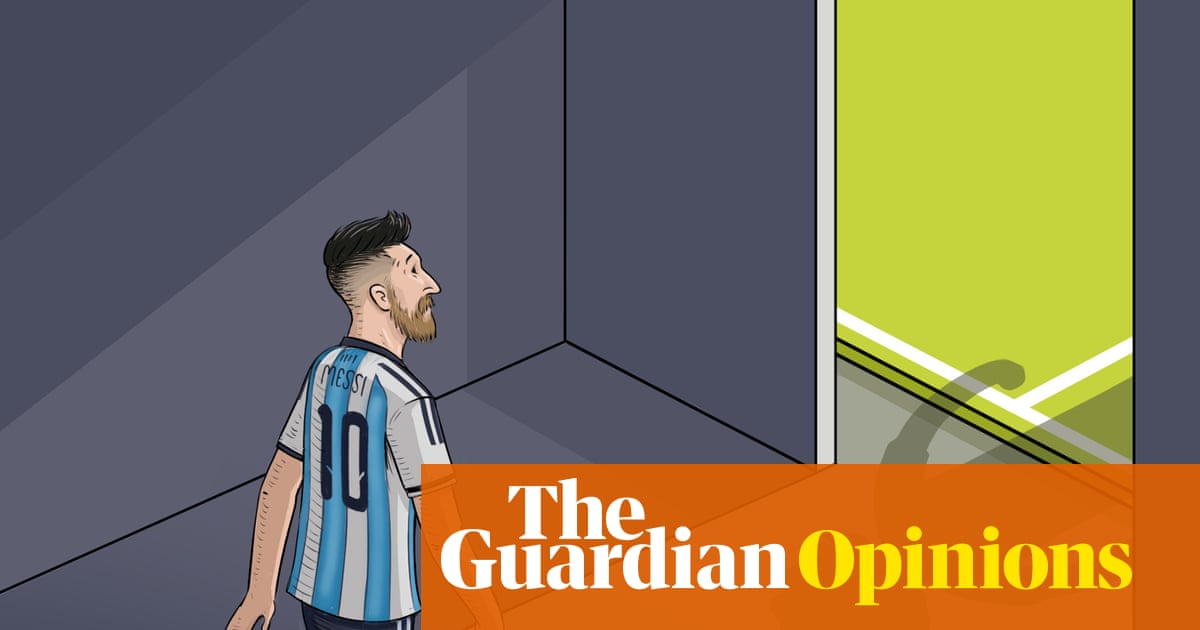
Tournament availability turns critical
The FIFA World Cup begins in less than 24 hours. While national squads have finalized their rosters, medical departments are already scrambling. The margin between a deep tournament run and an early exit is often defined by availability. Several marquee nations enter tomorrow's opening kickoff with fitness concerns that could ruin their tactical setups.
Argentina enters the 2026 tournament as holders, but their defensive depth is facing immediate scrutiny. Managing the physical output of veterans is a necessity for Lionel Scaloni. If these players cannot maintain intensity levels from the group stages through the knockout rounds, the path to back-to-back titles becomes significantly steeper.
The medical challenge for title favorites
Argentina faces the most immediate pressure among the favorites. After a grueling club season, multiple key starters report to camp with fatigue-related stiffness. This pattern mirrors the 2022 campaign, where internal medical assessments dictated the starting XI on a game-by-game basis. It is a high-stakes management game with zero room for error.
As recent reporting on World Cup predictions notes, the tournament's expansive format in North America forces travel demands that punish older squads. Players accustomed to localized European leagues now face massive temperature shifts between host cities. The risk of soft-tissue injuries rises as the humidity changes from the Gulf Coast to the high altitude of central Mexico.
Tactical ripple effects
Coaches are forced to pivot their tactics based on these early recovery benchmarks. If a primary ball-progressor is restricted by a hamstring strain, the entire formation shifts backward. This forces teams into a low block, prioritizing defensive stability over the aggressive transitional play that defines modern international football.
History suggests that teams failing to rotate early in the group stages often suffer in the quarterfinals. Relying on the same core group during a congested eight-day period in the group rounds creates a ceiling on performance. If a star player suffers a setback during matchday two, the lack of rotation minutes for backups causes a drop-off in output.
Missing the margin
Missing a fixture during the opener is a strategic disaster. It removes the ability to ease a player back into competition rhythm before the intensity spikes in the knockout brackets. National medical staffs are currently under massive pressure to avoid rushing players back too quickly. The temptation to play someone at 85 percent capacity has backfired for managers in every tournament since 2014.
One critical observation: the quality of bench depth remains the most underrated metric for 2026. Teams that rely on a static starting XI will likely see their tactical shape crumble under the weight of injury-induced substitutions. A system designed to press high for 90 minutes becomes a liability if the required defensive personnel are playing at reduced athletic capacity due to lingering issues.
Strategic implications for the group phase are clear. Matchday three often becomes a tactical dead rubber for top seeds only if they secure points early without sacrificing fitness. If they struggle with injuries, they are forced to exhaust their strongest options just to qualify for the round of 32. This creates a fatigue trap that creates an opening for underdog nations to capitalize on superior collective fitness.
The physical toll isn't merely about individual names. It alters the speed of the game. When stars are hampered, the tempo slows. This favors teams with well-drilled defensive structures over teams that thrive on high-speed vertical transitions. The 2026 tournament might ultimately be won by the team with the best recovery protocol rather than the most talented attacking unit.
Monitor the starting lineups carefully prior to kickoff tomorrow. Any absence confirmed in the official team sheets two hours before the match signals a deeper concern than minor resting. Teams have learned from previous cycles that being transparent about injuries early prevents media narratives from consuming the locker room atmosphere.
Injuries are an inevitable reality of professional sports. How teams handle the adversity in these opening 48 hours will reveal which nations are genuine title contenders. Resilience in the medical room is as vital to lifting the trophy as clinical finishing in the final third.