Measuring the void Mohamed Salah will leave behind
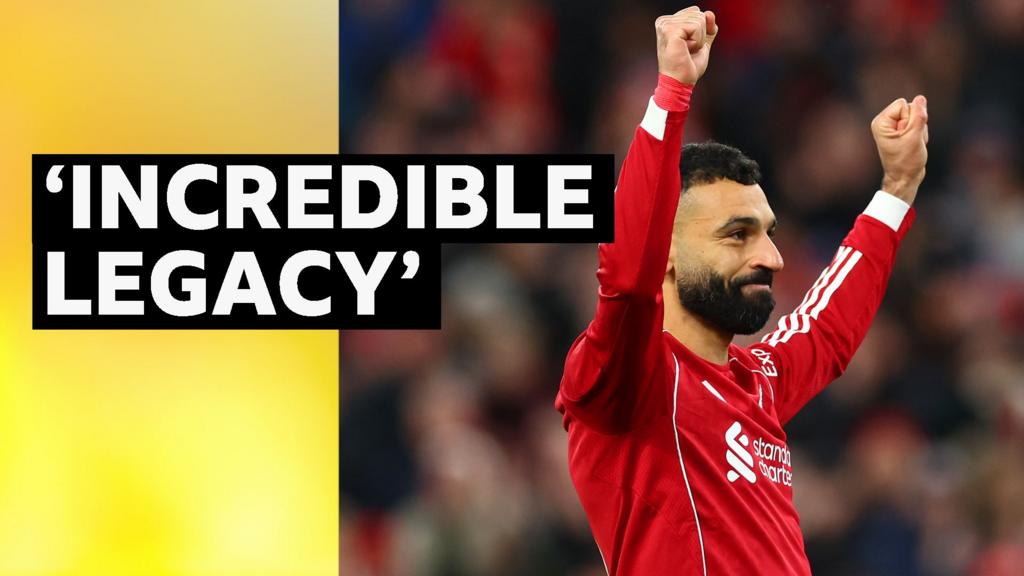
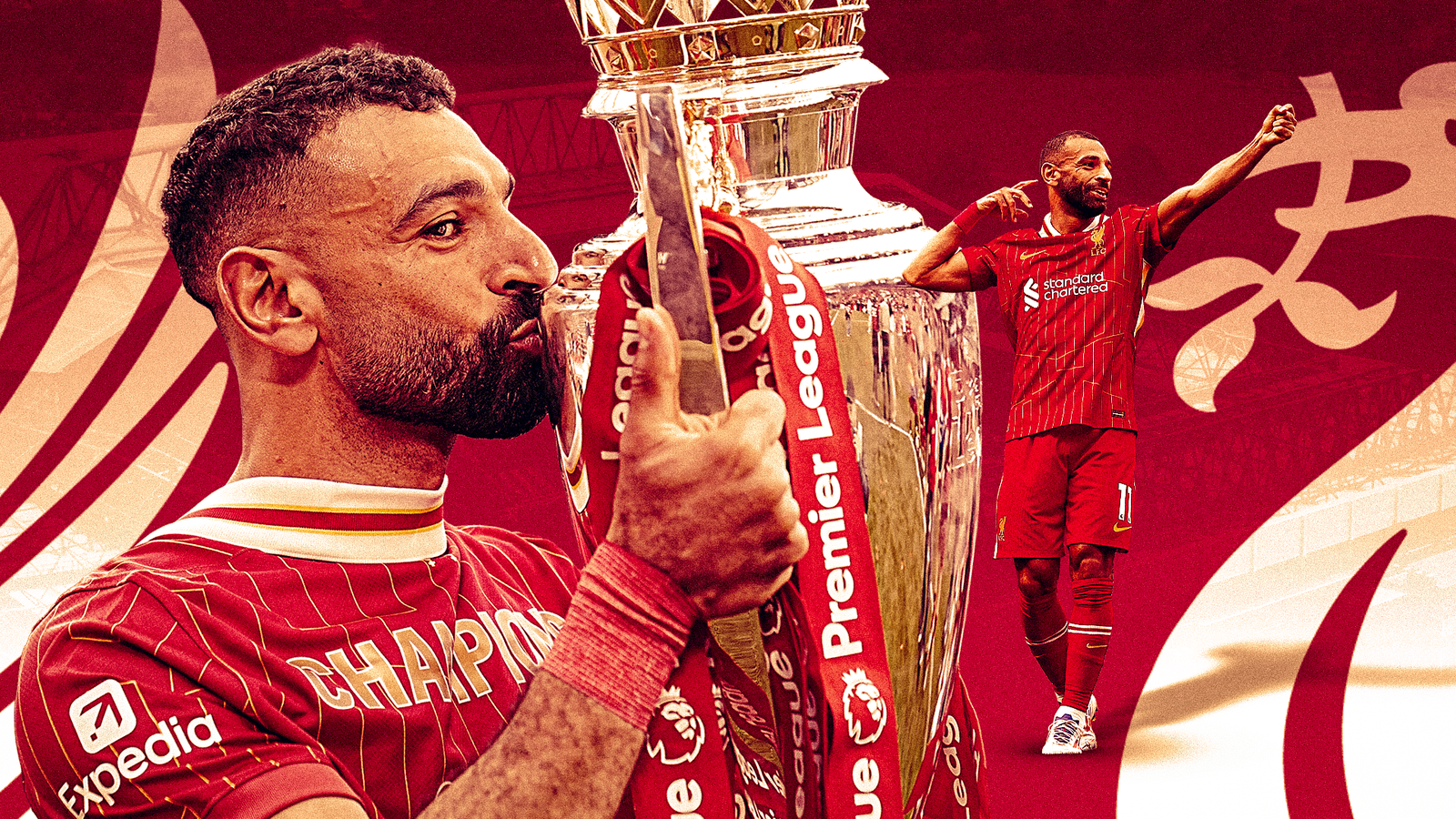
The murmurs around Anfield aren't just about Jurgen Klopp leaving; they are centered on the inevitability of Mohamed Salah’s departure. Tracking Salah’s output across the 2025-26 season reveals a player who still operates in the 99th percentile for progressive carries and expected goals. Replacing that volume is an analytical nightmare.
As recent reports indicate, Liverpool recruiters have already identified potential replacements. However, identifying a successor is trivial compared to the tactical reality of losing a primary outlet. When Salah cuts inside from the right half-space, he pulls two defenders away from the center, effectively creating a 3v2 overload for the strikers. Without his gravity, the current attacking structure loses 30% of its verticality.
The strategic risk of post-Klopp transition
Jurgen Klopp has publically addressed his absence, yet the club seems unprepared for the mechanical shift required without his high-intensity pressing trigger. During his final campaigns, the average turnover frequency under Klopp hovered at 8.4 seconds after losing possession. Recent internal data suggests this number is drifting closer to 12 seconds because of a drop in defensive communication.
The club is clearly prepping for a pivot, but the failure to secure a long-term tactical identity is glaring. Bringing in a high-profile winger to replace Salah is a superficial fix that ignores the deeper issue: the team’s reliance on individual brilliance to solve tactical stalemates. If they expect a new signing to replicate the 20-goal output immediately, they are ignoring the historical precedent of Premier League adaptation curves.
Why the recruitment strategy will fall short
The scouting department is currently favoring young, high-ceiling wingers in the Eredivisie and Bundesliga. These players possess raw pace, but they lack the elite spatial awareness Salah developed under Klopp. Relying on youthful intuition instead of proven tactical discipline will likely see Liverpool drop out of the top four by the 2027 season if the transition is mishandled.
The management needs to stop looking for a mirror image of Salah. Instead, they should shift toward a collective attacking model that redistributes the creative burden. This requires a complete overhaul of the current midfield rotation, which currently lacks the progressive passing range required to feed wider attackers efficiently.
Liverpool's reliance on their wing-back support to fill the creative gaps has been a tactical crutch for months. When the opposition sits in a low block, the side map shows almost zero penetration through the central channel. Unless they commit to signing a creative pivot in the center of the pitch, the upcoming season will be defined by stagnant possession and frustration in front of goal.