The End of the Blueprint
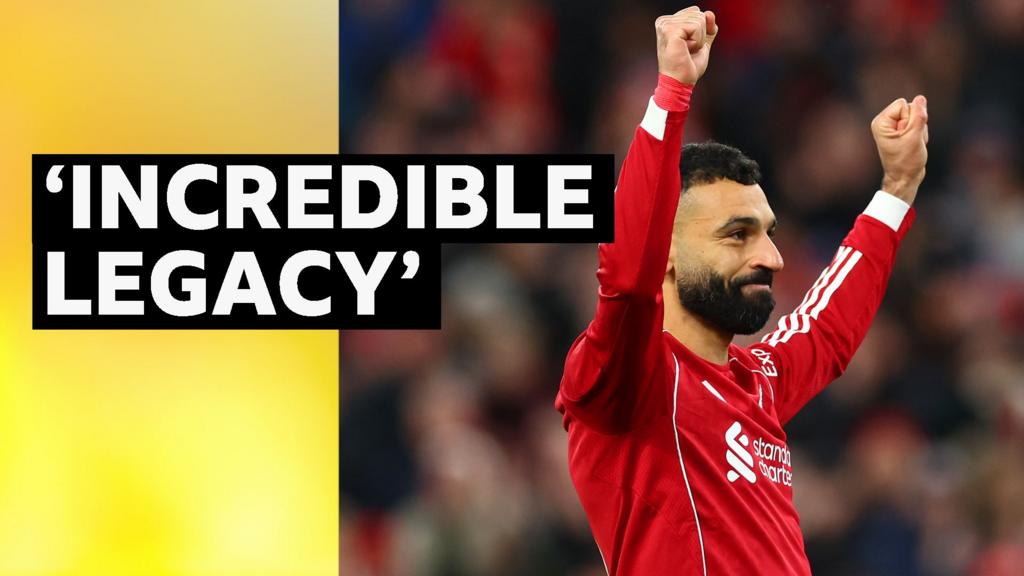
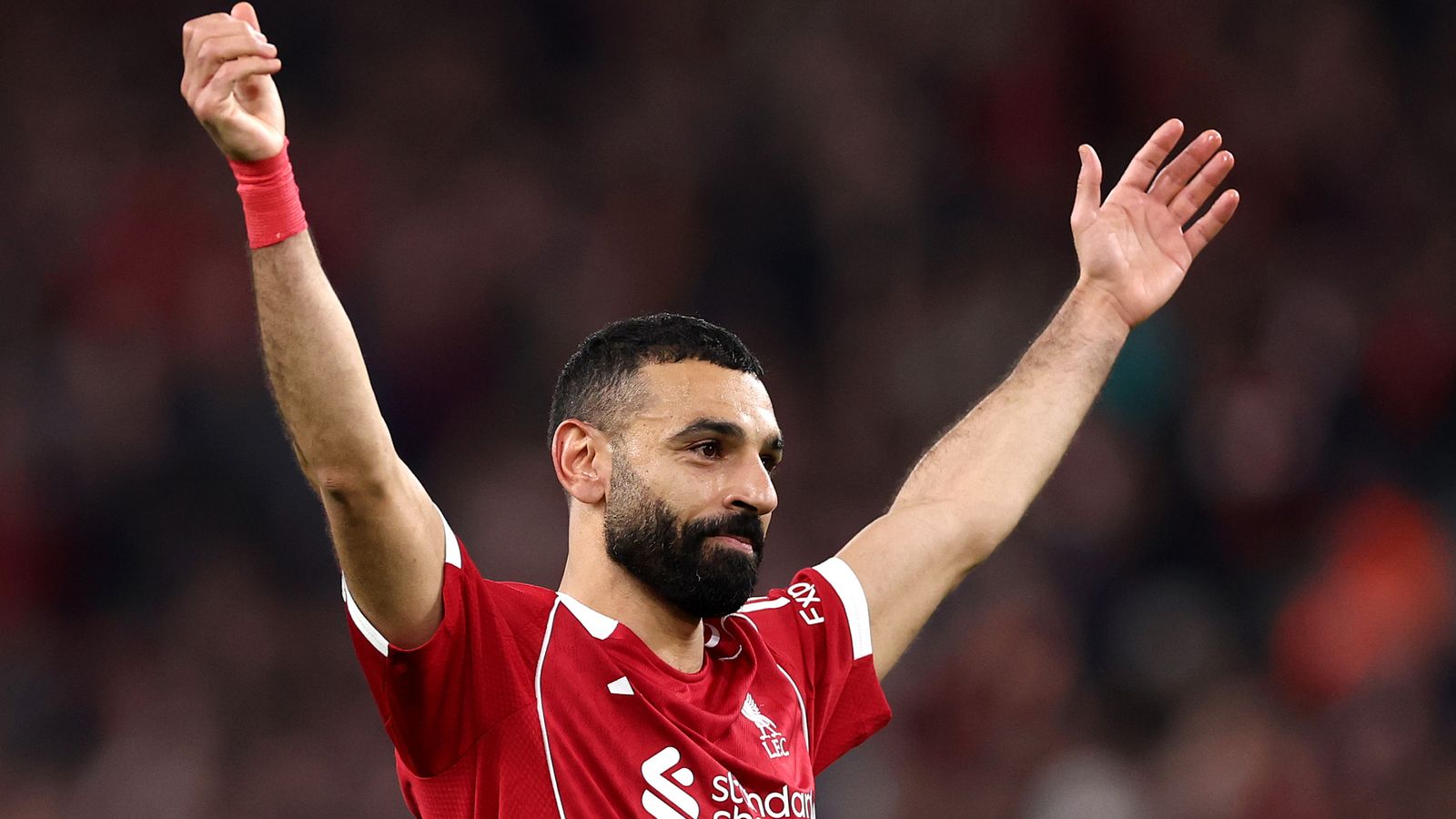
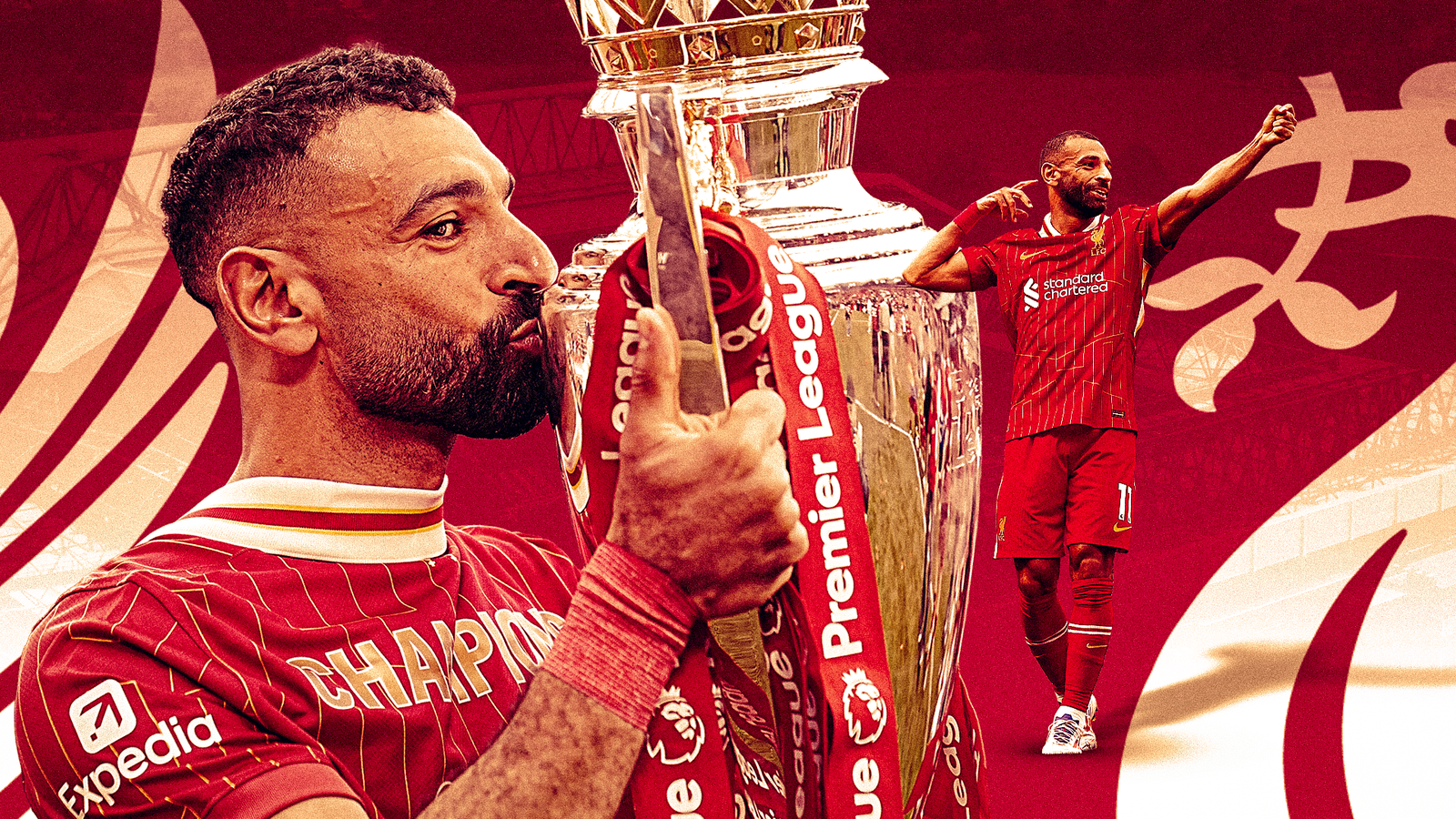
Mohamed Salah is leaving Liverpool this summer. The announcement dropped this week, instantly changing the emotional atmosphere across Merseyside and sending shockwaves through the European market. For nearly a decade, the Egyptian hasn't just worn the red shirt; he has been the absolute tactical focal point of every attacking move. Opposing managers spent years building defensive structures designed exclusively to stop his diagonal runs from the right half-space into the penalty area.
When you look back at his peak years, the sheer terror he inflicted on left-backs across the continent was entirely unprecedented. Managers tried everything to neutralize him. They deployed double-pivots shading heavily to his side. They asked their left-sided center-backs to step out of the defensive line, only to be ruthlessly punished by the space he immediately vacated. As Sky Sports rightly argued, his astonishing tenure puts him in a league entirely of his own. He normalized the absurd, making us completely numb to a winger scoring thirty goals a season year after year.
But the romance of his impending farewell tour cannot obscure the cold, harsh tactical reality on the pitch. Nostalgia is a highly dangerous trap in elite football analysis. The Salah we are watching in March 2026 is fundamentally different from the player who destroyed defensive lines during the 2018 campaign. The physical decline is visible if you know where to look, making his departure the absolute right decision for both the club and the player.
Team News and the Shifting Attacking Burden
Liverpool’s current team news tells a story of quiet, deliberate transition. The squad is already preparing for the post-Salah reality, slowly shifting the attacking burden elsewhere. Diogo Jota offers a totally different profile, relying on predatory instinct and sharp movement inside the penalty box. Cody Gakpo provides intricate passing and ball retention through the middle, acting as a false nine to link the play. Luis Diaz continues to deliver exhausting, relentless dribbling on the left flank. Yet, despite their individual brilliance, none of them possess that sheer, undeniable aura that strikes fear into opponents.
When Salah stands on the right touchline, he still drags two defenders with him out of pure respect for his history. That invisible tactical gravity cannot be easily quantified in a spreadsheet. It creates the crucial half-spaces that players like Dominik Szoboszlai and Alexis Mac Allister exploit every single week. Removing him from this equation fundamentally changes the entire passing geometry of the team. The supporting cast must now prove they can break down a stubborn low block without relying on the Egyptian to produce a miracle out of nothing.
Form Guide: The Creator Eclipses the Finisher
Trace his form guide over the past six months, and the evolution is glaring. The attacking output numbers still look elite, but the method of delivery has entirely transformed. He is no longer the explosive, direct finisher who isolates a defender, drops his shoulder, and creates an instant shot on goal. Instead, he operates much more like a traditional central playmaker who just happens to start his runs out wide.
He demands the ball played directly to his feet now. He deliberately slows the tempo down. He surveys the penalty area, patiently waiting for Trent Alexander-Arnold to make an overlapping run before sliding a perfectly weighted pass into the channel. His underlying metrics reflect this specific shift perfectly. His raw shot volume from high-probability central areas has dipped significantly, but his expected assists remain exceptionally high. He is reading the flow of the game better than ever, relying on intelligence rather than pure athleticism.
The Fading Explosiveness
Here is the negative observation that routinely gets buried under the highlight reels and fan sentiment. Salah has completely lost his elite separation speed. The absolute, terrifying burst over five yards that used to leave elite defenders lunging at thin air is simply gone. Over the last eighteen months, opposing managers realized they no longer need to commit three men to stop him from cutting inside.
A single, physically imposing left-back who forces him onto his weaker right foot can now consistently contain him in one-on-one situations. When he receives the ball out wide, there is a distinct hesitation in his movement. He wants to play the ball backwards to reset the possession rather than turn and sprint aggressively into open space. Keeping a club legend past his physical prime invariably forces a manager to make dangerous structural compromises. You simply cannot carry a forward who doesn't press intensely in a system built entirely on high turnovers and counter-pressing.
Key Match-Ups: The European Gauntlet
Before he completely packs his bags, there is a massive European gauntlet to navigate. The upcoming Champions League Quarter-Finals begin on April 7. These high-stakes knockout ties will dictate exactly how his final chapter is written. Every elite left-back remaining in the competition will view him as a prime target to physically exploit.
Opposition managers will undoubtedly deploy aggressive, touch-tight marking schemes against him from the opening whistle. They will attempt to physically dominate him early, denying him the space to comfortably turn and face goal. Liverpool's coaching staff faces a genuinely fascinating dilemma. Do they continue to start him in every high-leverage match, fully knowing his defensive output is severely compromised? Or do they transition him into Europe's most terrifying impact substitute, bringing him on in the 70th minute against tired, stretched defensive lines?
The Tactical Preview: Where Does He Go Next?
The conversation naturally shifts to his next destination, and the tactical fit is just as important as the staggering finances. BBC reporter Aadam Patel recently mapped out the realistic options. Unsurprisingly, the Saudi Pro League remains the most aggressively discussed destination for his signature.
From a commercial standpoint, he is the ultimate prize for the Saudi project. He is the most famous Arab athlete on the planet, and his arrival would instantly legitimize the league in a way that previous veteran signings haven't quite managed. Tactically, it is a flawless fit for his current physical state. The slower tempo and lack of organized, high-intensity pressing structures would allow him to operate purely as an attacking focal point. He could dictate the game entirely at his own pace, receiving the ball to feet and orchestrating attacks, entirely freed from the exhausting defensive demands of English football.
The American and European Alternatives
Major League Soccer represents a completely different proposition. The defending in North America is wildly chaotic, leaving massive structural gaps between the lines due to the heavy financial investment in attacking players rather than defensive units. A player with Salah's vision would dissect those defensive structures with alarming ease. However, the physical toll of MLS simply cannot be ignored. The brutal travel schedules across multiple time zones, the extreme climate variations from Miami to Montreal, and the heavy reliance on artificial turf would severely test his aging legs. Moreover, the officiating in MLS often allows for highly physical, aggressive defending. Salah relies on systematic attacking patterns, and the sheer tactical anarchy of an average MLS fixture might prove incredibly frustrating for him.
There is also the slim possibility of remaining in Europe. The slower build-up play and tactical rigidity of Italy's Serie A would suit him perfectly. Imagine him operating in a narrow front two for Juventus, or perhaps dropping into the spaces behind a traditional target man at Inter Milan. Italian football rewards high-level decision-making over raw sprinting power. He would be completely freed from the requirement to hug the touchline and run relentlessly at overlapping full-backs. It is undoubtedly the purist's choice, offering him a chance to age gracefully while still competing in the Champions League. But that romantic scenario requires accepting a significant pay cut and a heavily reduced squad role, a compromise few elite athletes are willing to make.
The Final Prediction
When analyzing this transfer, you must strip away the sentimentality. Salah is an intensely competitive athlete, but he is a pragmatist. Staying at an elite European club means accepting rotation. It means sitting on the bench during tough away fixtures. A player of his immense stature will never accept becoming a bit-part player.
The Middle East offers an unparalleled package. It provides staggering wealth, total cultural reverence, and a league where the tactical demands perfectly align with his physical capabilities. He has already won everything there is to win in England. He shattered the single-season scoring record when he broke the 32-goal mark. There is literally nothing left for him to prove.
My prediction is unwavering. Mohamed Salah will sign for a top-tier Saudi Pro League club this summer. He will depart Anfield as the man who entirely redefined the expectations for wide forwards. The devastating pace may have faded, but the tactical revolution he spearheaded will remain etched into the fabric of the league forever.
Read Next
- Liverpool have to prove they can win without Mohamed Salah
- Mohamed Salah and Liverpool are finally running out of road
- Why Liverpool's £121m plan to replace Mo Salah is a massive gamble
- Salah's looming Saudi exit is the distraction Liverpool cannot afford
- 🇪🇬 Egypt World Cup 2026 — Salah's Last Dance