The seventy day countdown at Anfield
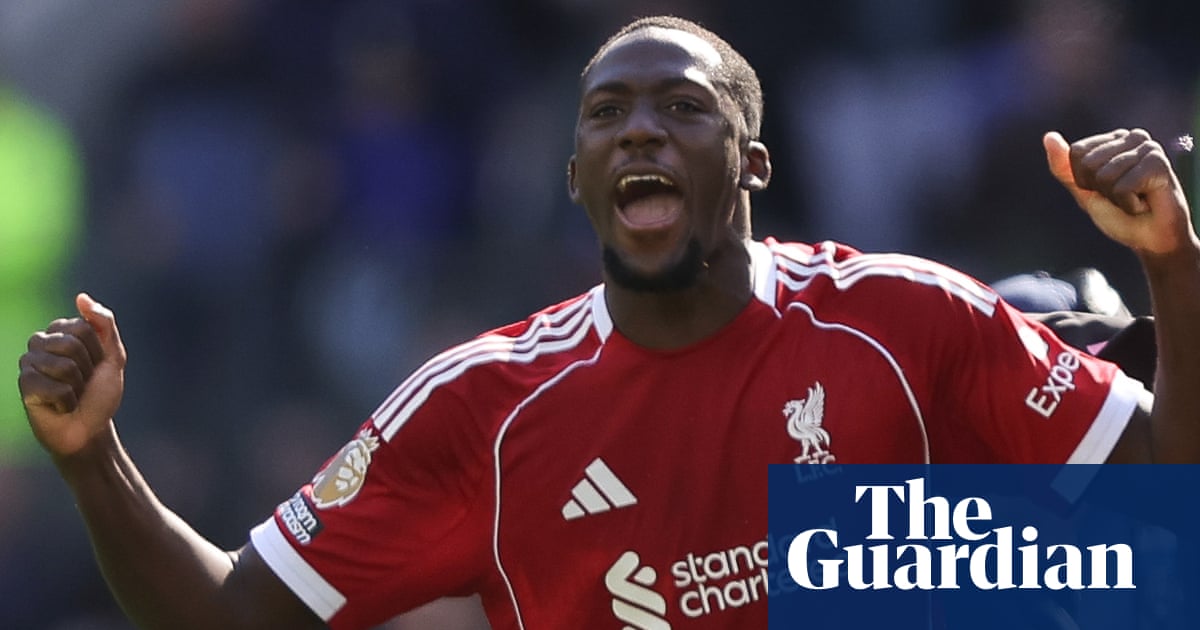
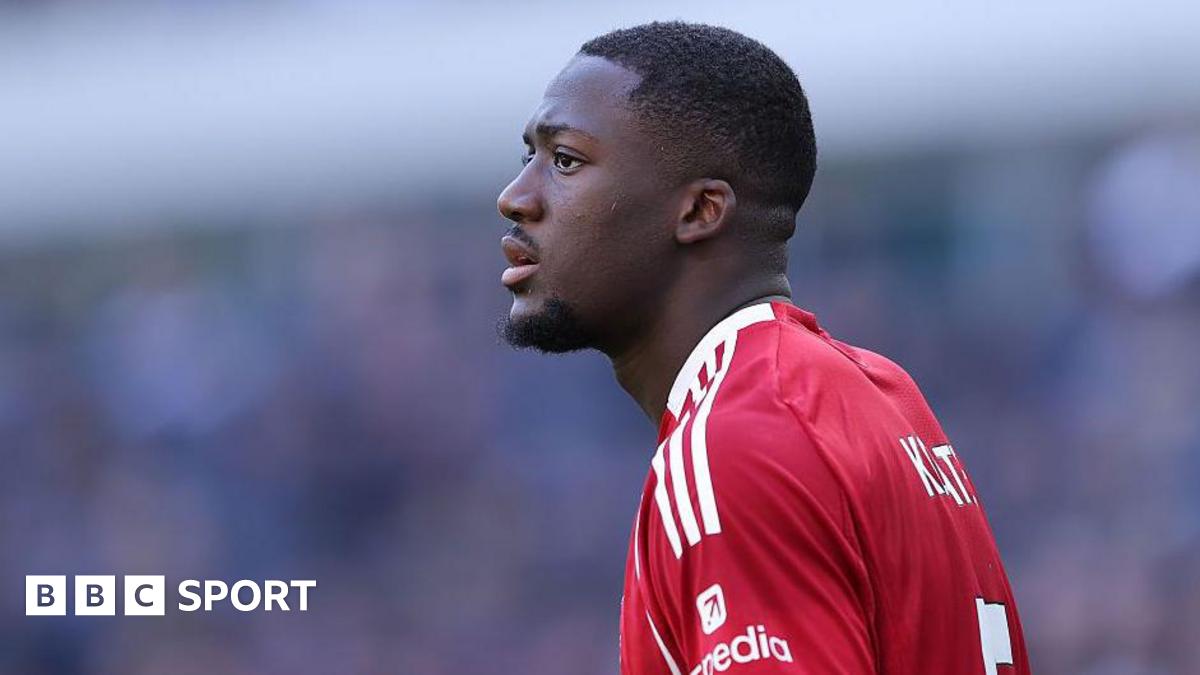
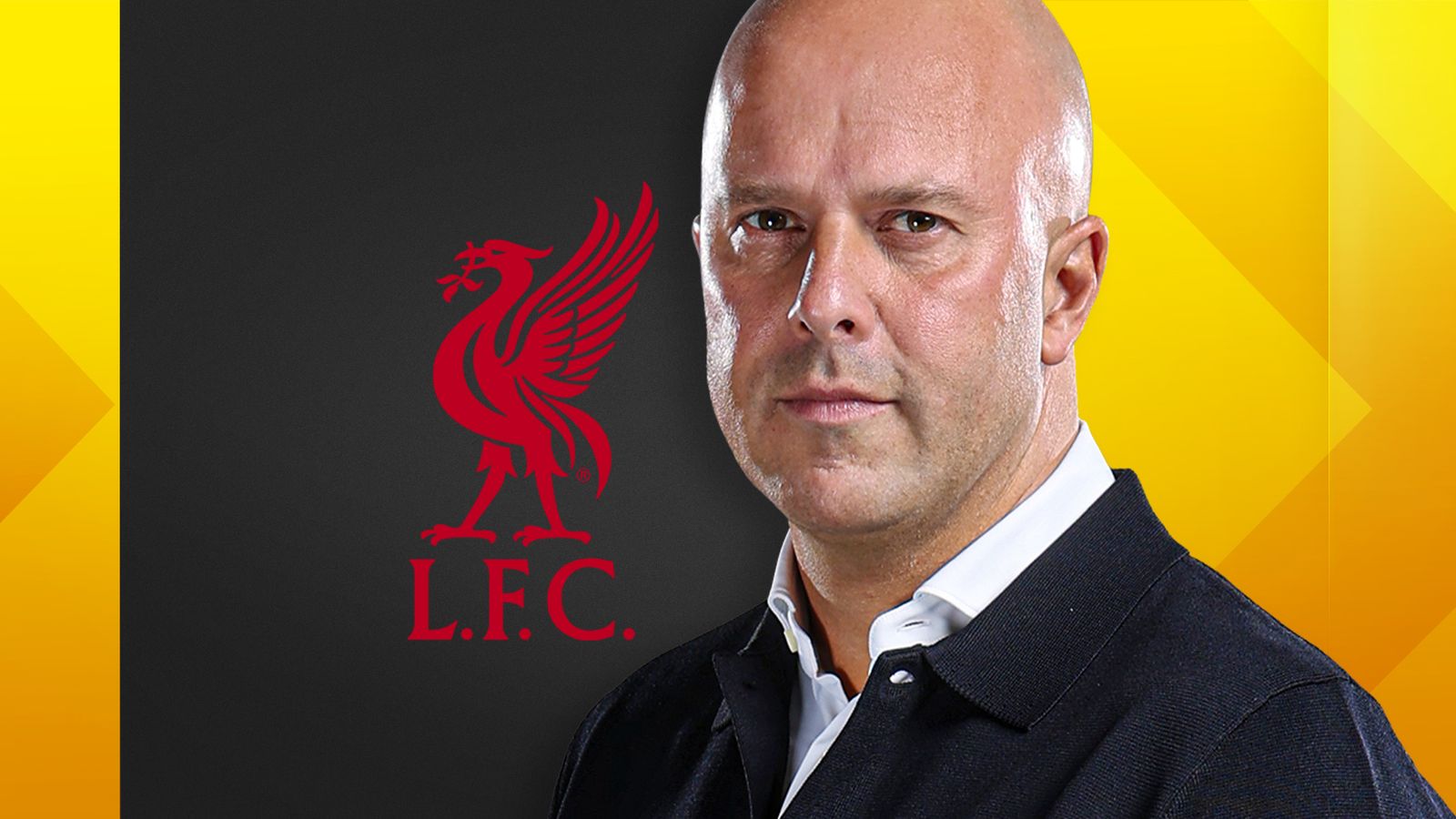
Ibrahima Konate is currently entering the final 70 days of his Liverpool contract, a situation that defies standard executive logic for a club of this stature. When the Frenchman arrived from RB Leipzig in 2021, he was scouted as the long-term successor to Virgil van Dijk, yet he now finds himself urging Arne Slot to explain why a renewal remains unsigned. The data suggests that Liverpool are playing a dangerous game of chicken with their most physically gifted asset.
Statistically, Konate is a defensive outlier in the Premier League. He currently maintains a 78.4% aerial duel success rate, placing him in the 99th percentile for center-backs across Europe's top five leagues. This isn't just about height; it is about timing and the aggressive leverage of his 188cm frame. When he is absent, Liverpool's ability to defend set pieces and direct long balls drops by a measurable margin, with the team conceding 0.3 more goals per 90 minutes when Jarell Quansah or Joe Gomez deputize.
The recovery pace insurance policy
Liverpool’s tactical identity under Slot relies on a high defensive line that frequently sits 45 yards from goal. This system is unsustainable without recovery speed. Konate has been clocked at a top speed of 36.2 km/h this season, making him faster than most of the wingers he is tasked with tracking. This physical capacity allows the rest of the team to squeeze the pitch, knowing Konate can win a footrace in the transition phase.
As The Mirror reported, Konate now views himself as a leader within the dressing room. The numbers support this transition from junior partner to defensive anchor. Over the last 24 months, his pass completion rate in the final third has climbed to 89%, proving he is no longer just the 'destroyer' in the partnership. He is now initiating 4.2 progressive carries per match, often bypassing the first line of the opposition press entirely.
The reliability tax and the medical hurdle
The primary friction point in these negotiations isn't talent; it is availability. This is the critical observation that explains the board's hesitation. Since his debut, Konate has missed a total of 44 competitive fixtures due to muscular injuries. For a player seeking a salary reflective of a top-tier European defender, a 65% availability rate is a difficult sell for a data-driven recruitment department like Liverpool's.
However, letting him leave on a free transfer would be a financial catastrophe. To replace a defender of his profile in the current market would require an outlay of at least £75 million, plus significant wages for a player who would likely need a season to adapt to the English game. By delaying the contract, Liverpool risk losing both the player and his market value simultaneously. The squad depth is already thin, and losing a starter who is just entering his physical prime at 26 years old is a regression the fans will not tolerate.
A counterintuitive shift in discipline
One surprising finding in Konate's recent performance data is his declining foul rate. Despite being a more aggressive defender than Van Dijk, Konate is currently averaging just 0.6 fouls per game. This is a significant drop from the 1.4 fouls he averaged during his first season at Anfield. It suggests a maturing tactical brain; he is using his positioning to intercept rather than his body to collide.
He is making 2.1 interceptions per 90, often stepping into midfield to kill attacks before they develop. This 'front-foot' defending is what makes him the perfect foil for a more reactive partner. If the club fails to settle this future before the June 30 deadline, they aren't just losing a player; they are losing the tactical flexibility that allows their high-press system to function at an elite level. The ball is firmly in the club's court, and the clock is ticking.