The Source and The Situation
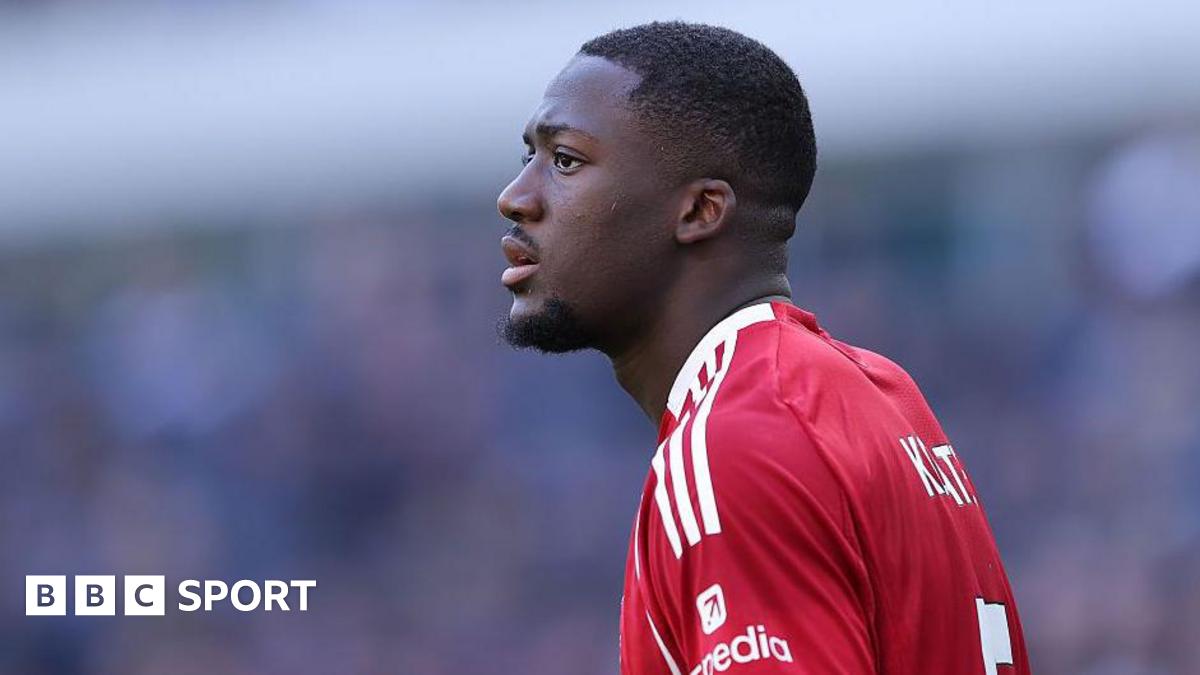
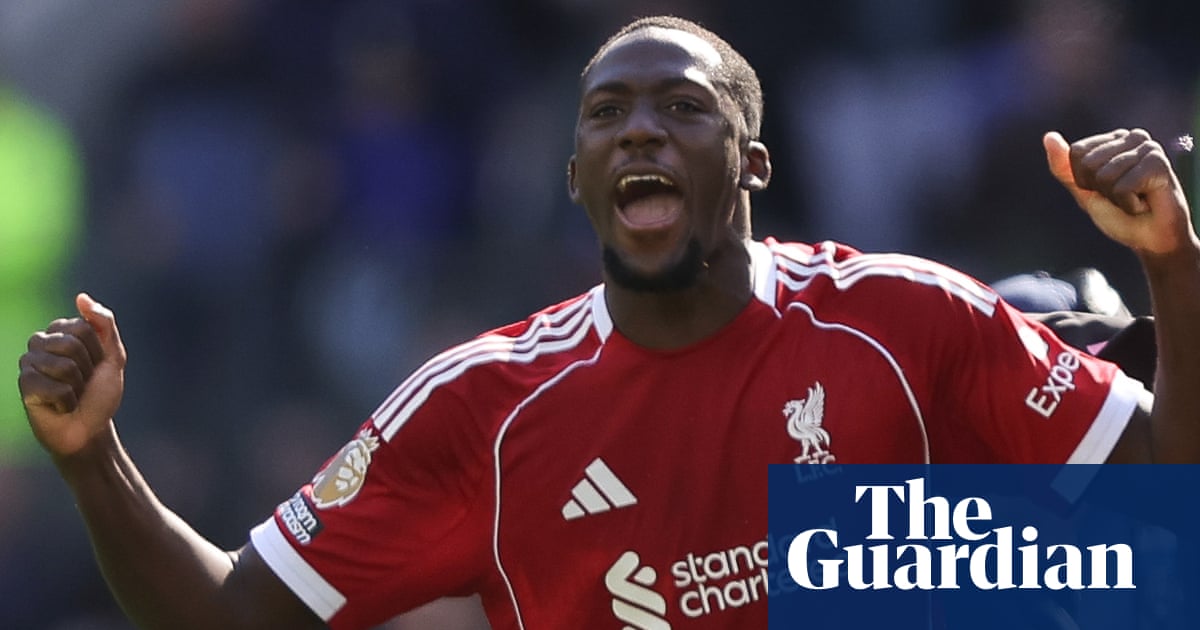
The Guardian dropped the hammer this morning. Ibrahima Konaté is staying at Anfield. The publication, operating as a solid Tier 2 source for domestic Liverpool matters, reports the French defender is on the verge of signing a new contract. His current deal expires this summer. We are sitting on April 20. The fact that Liverpool allowed a prime-age, elite center-back to get within ten weeks of free agency is bordering on front-office malpractice. But disaster appears to have been averted.
Liverpool’s management structure has seen plenty of turnover, and perhaps that explains the delay. Still, there is no excuse for letting a player of this caliber enter the final months of his contract. Since January 1, Konaté has been legally allowed to negotiate a pre-contract agreement with any club outside of England. Paris Saint-Germain could have swooped in. Real Madrid, perpetually in need of defensive depth, could have made a call. It takes a massive amount of faith from the player to reject those advances and wait for his current employers to sort out the paperwork.
The player himself broke the silence recently. The Guardian relayed the defining quote from the Frenchman regarding the negotiations.
"There is a big chance I'm here next season."
That is not standard PR deflection. When a player whose deal is expiring in weeks says there is a big chance he stays, the ink is basically drying on the contract. He informed the club he wanted to stay during negotiations last year. It just took them this long to finalize the numbers.
The Player Profile and Tactical Fit
When you look at the tactical makeup of this Liverpool squad, retaining Konaté is a non-negotiable directive. The entire defensive system relies on individuals winning isolation battles. You cannot play a high defensive line without center-backs who possess elite recovery pace. Konaté is arguably the fastest center-back in the Premier League over a thirty-yard sprint. When the midfield gets bypassed and the ball is played over the top, he is the absolute insurance policy.
Think about the specific demands placed on center-backs in the modern Premier League. They are essentially asked to play two positions at once. When the team is in possession, Konaté operates as a deep-lying playmaker, responsible for breaking the first line of the opposition's press with sharp, vertical passes. His ability to step out of the backline and drive into midfield creates overloads that opposing managers despise. If you watch his positioning during sustained spells of possession, he is often standing ten yards inside the opponent's half.
This aggressive positioning suffocates counter-attacks before they even begin. He traps the opposition in their own third. But the moment possession is lost, the transition is brutal. He has to instantly pivot, track back, and defend a fifty-yard expanse of green grass behind him. Very few human beings possess the cognitive processing speed and the fast-twitch muscle fibers to execute that transition seamlessly. Konaté does it week in and week out, which is exactly why the analytics department at Anfield values him so highly.
His physical profile is terrifying for opposing attackers. He stands at six-foot-four and possesses the upper-body strength to muscle traditional number nines off the ball without breaking stride. In aerial duels, he is remarkably dominant. Teams frequently target the flanks to avoid dealing with him centrally.
The Critical Flaw: Availability
However, any analysis of Konaté requires a harsh dose of reality regarding his availability. This is the massive caveat to handing him a lucrative, long-term extension. The man simply cannot stay fit for an entire campaign. His medical file at Anfield is thicker than a phone book. Muscle injuries, hamstring pulls, and various knocks have repeatedly disrupted his rhythm. You cannot rely on him to start forty games across all competitions.
When you look at the history of Premier League title races, availability is often the deciding factor. Manchester City won championships because Ruben Dias and Rodri played thirty-five league games. Arsenal’s defensive solidity was built on William Saliba playing every single minute. Konaté does not offer that luxury. Managers have to carefully manage his minutes, sometimes resting him in winnable domestic cup ties or lower-stakes European group stage matches just to ensure he is available for the weekend fixtures against top-six opposition.
This rotational necessity places an added burden on the rest of the squad. When the fixture congestion hits its peak around the festive period or the spring European knockout rounds, his absence forces midfielders to drop deep or unproven academy products to step into hostile environments. If you pay Konaté top-tier wages, you are paying for a player who will inevitably miss a vital four-week stretch in February or March. It is the fundamental flaw in his game. He has all the talent to be the undisputed best defender on the planet, but his body refuses to cooperate.
The Market Reality
Despite the medical red flags, the club had zero leverage here. Let us examine the alternative. If Konaté walked away for free in July, Liverpool would be forced into a brutal summer transfer market. Elite center-backs are the rarest commodity in European football right now. If you want a player with Konaté’s physical traits, passing range, and top-level experience, you are looking at a massive transfer fee. You would then have to pay that new signing exorbitant wages.
Let's look around Europe. Bayern Munich have spent a fortune on defenders over the last three windows and still look chaotic at the back. Manchester United have been burning cash on center-backs for a decade with mixed results. Arsenal locked up their pairing, but everyone else is desperate. If Konaté hit the open market, there would be a bloodbath for his signature. A free transfer of a prime elite center-back is the ultimate market inefficiency. Agents know this.
They demand astronomical signing-on fees that essentially mirror a transfer fee. So, if Liverpool let him walk, they wouldn't just be losing a player. They would be handing a European rival a massive competitive advantage for zero upfront cost. It would be a catastrophic failure of asset management.
Furthermore, replacing a player integrated into the specific culture and tactical demands of a club takes time. A new seventy-million-pound signing might take six months to adjust to the pace of the Premier League or the specific pressing triggers the manager demands. Liverpool do not have a six-month grace period to offer. They operate in a hyper-competitive environment where dropping points in September can cost you the title in May. Keeping Konaté means retaining institutional knowledge. He already knows the defensive calls. He understands the spacing required when the full-backs bomb forward. That inherent understanding is invaluable and cannot be purchased in the transfer market. Financially and tactically, an overpriced contract extension for Konaté is cheaper than replacing him. The market dictates his value.
Probability Assessment
I rate this as a 95 percent certainty. We are operating in absolute finalized territory. The player has publicly stated his desire to stay. The tier-two sources are confirming the club has matched his expectations. The timeline of his current deal expiring in weeks means there is no room left for posturing. Both sides had to fold their hands and make a deal. Expect the official club announcement before the end of May.
Expected Impact
Looking ahead to the immediate future, this news stabilizes the dressing room at an essential juncture. The calendar reads April 20. The Champions League semi-finals kick off in just over a week on April 28. Domestic titles are being decided right now. The absolute last thing a squad needs during the run-in is a toxic contract dispute hanging over a key starter.
The impact of this deal is purely stabilizing. It does not raise the ceiling of the squad, because he is already in the building. But it prevents the floor from completely falling out. Liverpool secures their defensive anchor for the next phase of their project. Now, they just have to pray his hamstrings hold up.