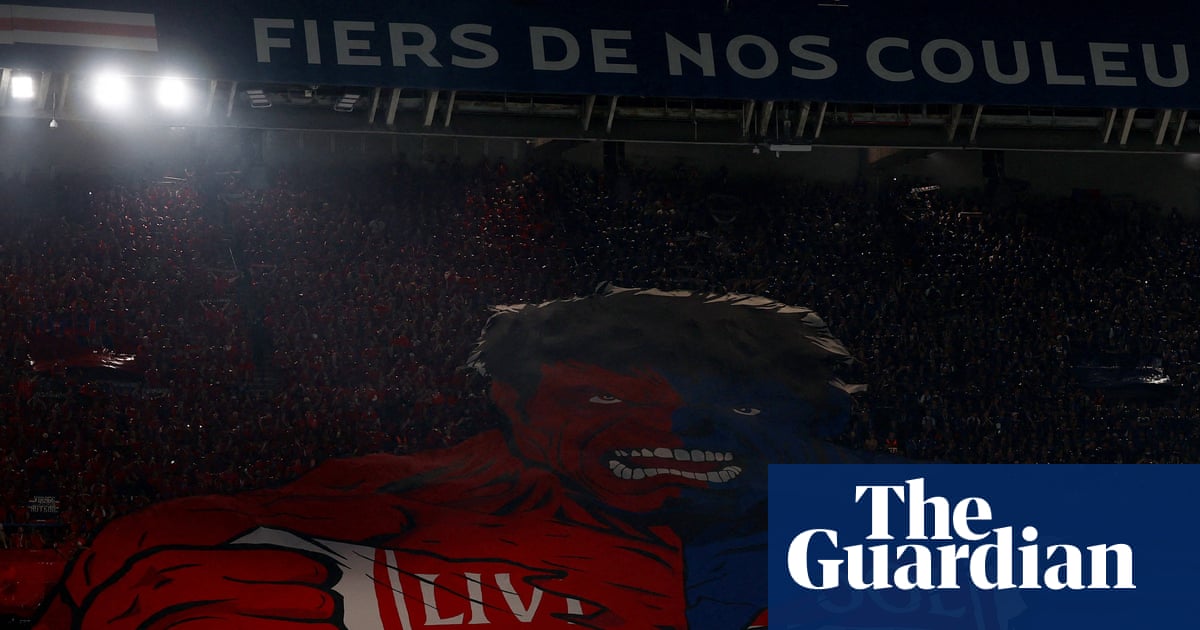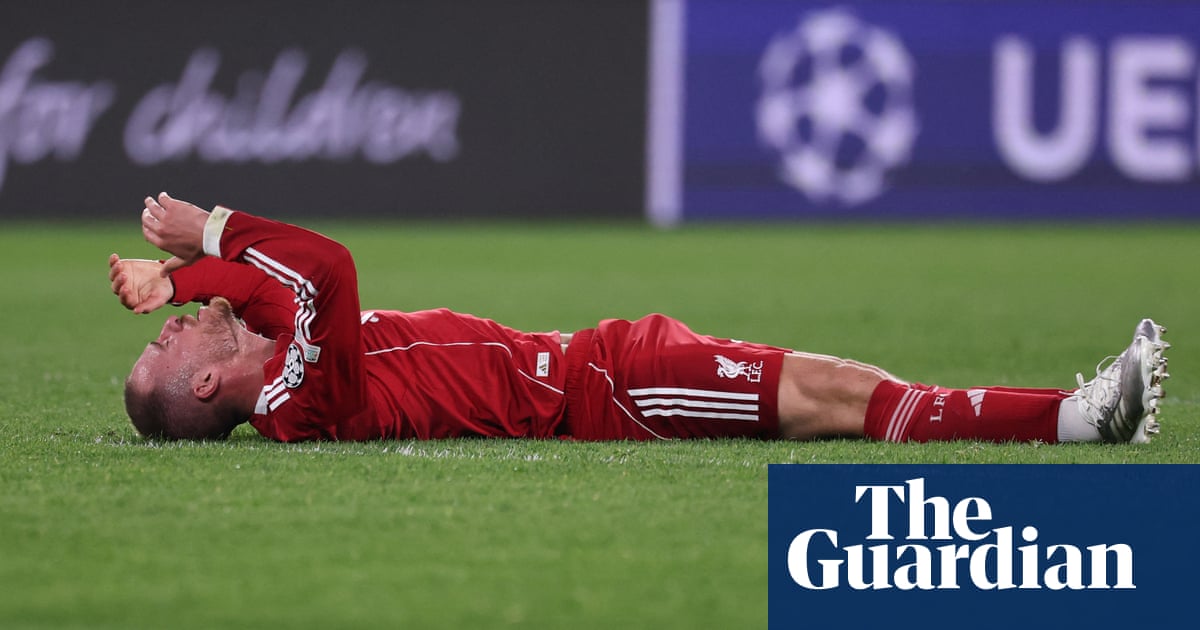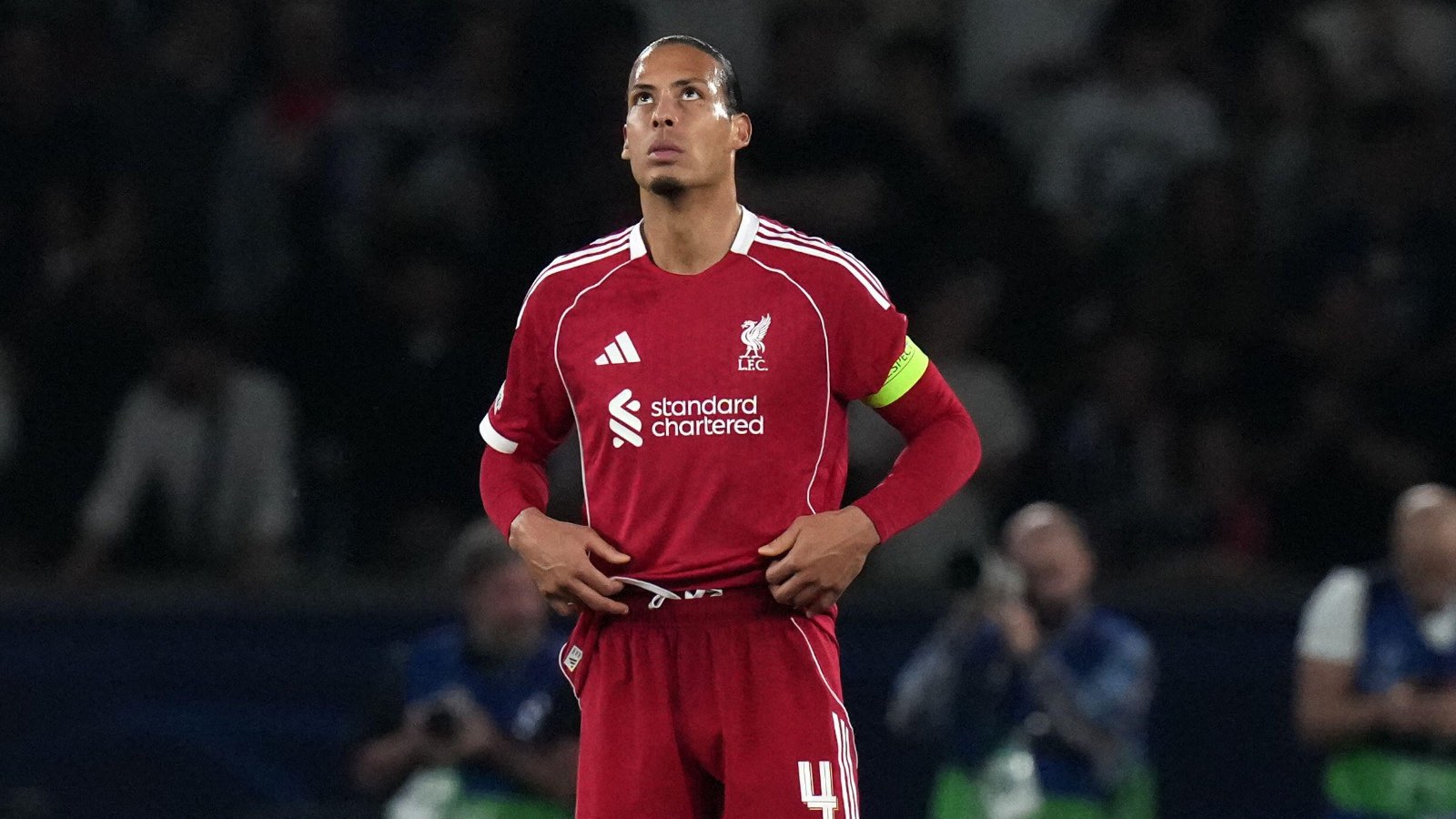
The statistical autopsy of a Parc des Princes disaster
Liverpool’s performance in the first leg of this Champions League quarter-final wasn't just a loss; it was a comprehensive structural failure. The numbers from the 3-0 defeat in Paris suggest a team that has forgotten how to maintain its shape under pressure. PSG didn't just win; they dominated the half-spaces and exploited a Liverpool midfield that looked remarkably static.
Luis Enrique’s side finished the match with an xG of 2.84 compared to Liverpool’s measly 0.38. That is the lowest expected goals total Liverpool has produced in a European knockout game since 2014. They managed only one shot on target over ninety minutes, a speculative long-range effort that barely troubled the keeper. PSG completed 612 passes to Liverpool’s 344, a disparity that highlights the complete lack of control in the center of the pitch.
The defensive metrics are even more damning for the traveling supporters. Liverpool allowed 14 shots from inside their own penalty area, the highest number they have conceded in a single match this season. Their successful tackle rate dropped to 41%, as PSG’s front three repeatedly bypassed the first line of the press. As Oliver Holt observed, this is a picture of a divided club where the seams are finally fraying under the weight of transition.
A midfield that has stopped running
In the high-intensity world of modern European football, distance covered is often a baseline for competitive integrity. Liverpool were outrun by a staggering 6.4 kilometers on Tuesday night. This physical deficit meant they were perpetually second to every loose ball and unable to trigger the counter-press that defined the previous era. The average position map shows a massive 25-meter gap between the defense and the attack for much of the second half.
PSG exploited this cavernous space with surgical precision. They made 22 progressive carries into the final third, while Liverpool managed only five. The lack of connectivity is a tactical nightmare for any manager trying to overturn a three-goal deficit. When the ball did reach the forwards, it was usually via desperate long balls that had a success rate of just 18%. This isn't just a bad run of form; it's a breakdown in the fundamental mechanics of the team.
The individual stats reflect this collective malaise. No Liverpool player created more than a single chance throughout the match. The wing-backs, usually the primary engines of the attack, were pinned back by PSG’s wide overloads. They spent 70% of the game in their own defensive third, a complete inversion of their usual tactical profile. It’s hard to imagine a turnaround when the primary creators are stuck defending their own corner flags.
The toxic confluence of results and rising costs
As the club prepares for the second leg, the atmosphere at Anfield is shifting from defiant to disgruntled. The news of a proposed ticket price increase has served as a lightning rod for broader frustrations. Fans are planning a protest for the upcoming fixture against Fulham, and the iconic Kop will look significantly different without its traditional flags. The timing couldn't be worse for a team that historically relies on the emotional energy of its home crowd.
Statistically, the 'Anfield Factor' has already been waning this season. Liverpool’s home win percentage in all competitions has dipped from 82% last year to 58% in the current campaign. They are conceding 1.4 goals per game at home, their worst defensive record at Anfield in nearly a decade. Adding a protest to this mix creates a volatile environment that some analysts are already calling toxic before the first whistle even blows.
The protest is a reaction to a 2% increase that supporters feel is unnecessary given the club’s commercial revenues. While 2% sounds marginal in isolation, it represents a symbolic breaking point for a fanbase that feels increasingly alienated. In a sport where marginal gains are everything, losing the unconditional support of the 12th man could be the final blow to their European ambitions. The data suggests that when Anfield is quiet or hostile, Liverpool's performance levels drop by an average of 15% in terms of high-intensity sprints.
Contract instability and the youth ripple effect
Behind the scenes, the statistical model for squad building is also under threat. Reports of a major contract U-turn for a senior star have sent shockwaves through the academy ranks. This decision likely blocks the pathway for a specific 19-year-old prospect who had been promised significant minutes in the 2026/27 season. When a club deviates from its long-term succession planning, the data usually predicts a period of sustained volatility.
Liverpool’s current squad has an average age of 28.4, making it one of the oldest in the top half of the Premier League. Retaining aging stars on massive wages while blocking young talent is a recipe for stagnation. According to FourFourTwo, this internal friction is already impacting morale. Players with less than 18 months on their deals account for 35% of the total minutes played this season, creating a massive risk of value depreciation.
The financial implications of missing out on the semi-finals are also significant. A quarter-final exit represents a loss of roughly 12 million euros in direct prize money, not including matchday revenue. For a club that operates on a strict self-sustaining model, that shortfall will directly impact the summer transfer budget. They are currently projected to have 40 million euros less to spend than their direct rivals in the Manchester and London markets.
Why a miracle is mathematically improbable
History is often cited as a reason for optimism at Anfield, but the numbers don't believe in ghosts. In the history of the Champions League knockout stages, teams trailing by three goals after an away first leg have progressed only 6% of the time. To beat this PSG side 4-0, Liverpool would need to increase their goal-scoring efficiency by 400% compared to their season average. They would also need to keep a clean sheet against an attack that has scored in 24 consecutive matches.
The defensive metrics suggest that keeping PSG out is a fantasy. Liverpool’s central defensive partnership has lost 45% of their aerial duels in the last three games. They are also struggling with transition defense, conceding a chance every time they lose the ball in the middle third. PSG’s speed on the break is a mathematical mismatch for a Liverpool backline that has lost a yard of pace. Every time Liverpool commits men forward to chase the game, they increase the probability of conceding a fourth goal by 22%.
Ultimately, the divide isn't just between the fans and the board, or the manager and the players. It is a divide between the club Liverpool used to be and the one it has become. The data shows a team that is slower, less creative, and more vulnerable than at any point in the last five years. While the fans will sing 'You'll Never Walk Alone' on Tuesday, the statistics suggest they might be walking into a very long and very quiet night at Anfield.