The data behind a Parisian dismantling
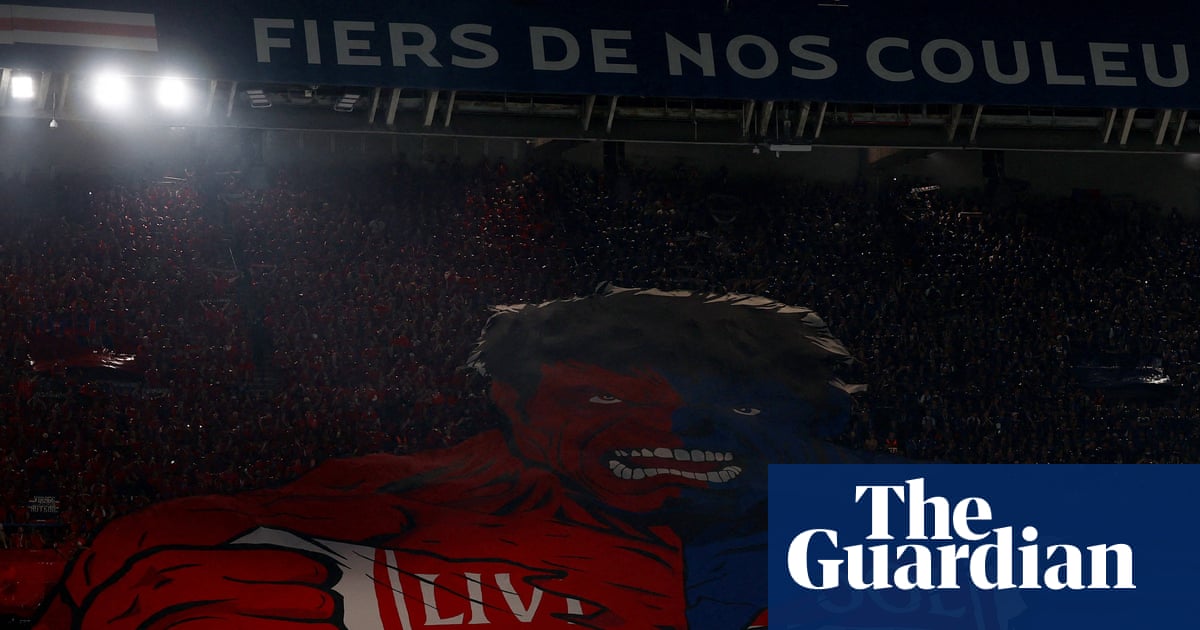
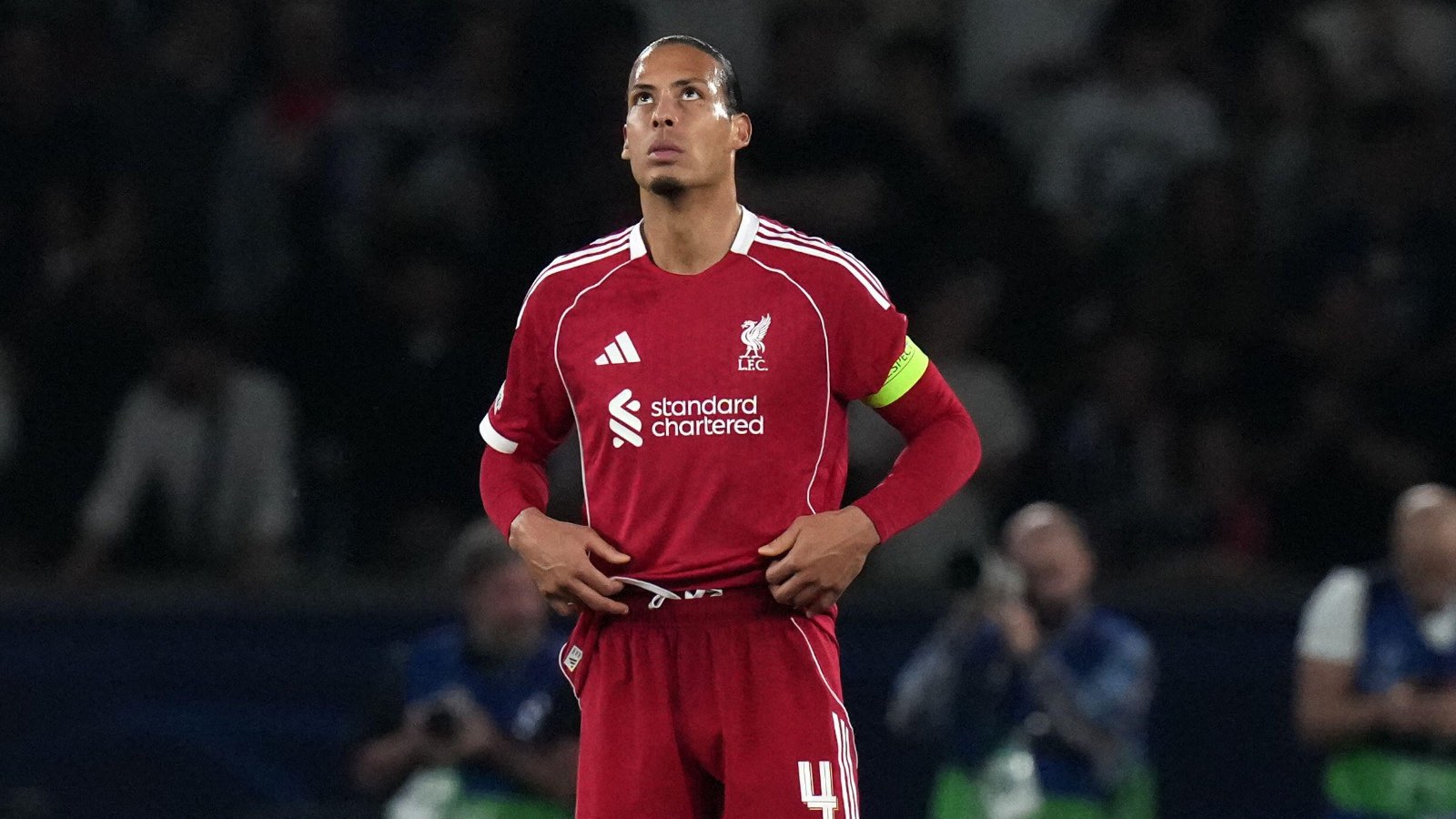
Liverpool’s 2-0 defeat at the Parc des Princes tonight wasn't a fluke or a smash-and-grab. It was a calculated, data-driven execution by a PSG side that clearly identified a structural rot in the English side’s defensive transition. While the possession stats might suggest a balanced contest, the underlying numbers paint a far grimmer picture for the visiting support.
The headline figure is 0.89 xG. That is all Liverpool could muster over ninety minutes of football in a Champions League quarter-final. For a team that usually averages 2.15 xG per game domestically, this was a complete offensive blackout. PSG didn't just win the game; they strangled the supply lines before they could even reach the final third.
As The Daily Mail's match report noted, Khvicha Kvaratskhelia was the primary architect of this misery. But his second goal wasn't just individual brilliance. It was the result of a PSG counter-attack that moved the ball from their own penalty area to the Liverpool net in exactly 4.1 seconds. In that window, Liverpool’s midfield didn't just fail to track the runner; they essentially vacated the central corridor.
The Kvaratskhelia constant
Kvaratskhelia finished the night with a dribble success rate of 67%. Against a high-level defensive block, that is an absurd efficiency rating. He targeted the space behind the right-back with surgical precision, dragging the central defenders into wide areas where they are fundamentally uncomfortable. This wasn't a random occurrence; it was a repeated tactical trigger.
Every time Liverpool turned the ball over in the middle third, PSG looked for the Georgian international immediately. He had 12 touches in the opposition box, more than the entire Liverpool front three combined. This disparity highlights a massive failure in Liverpool’s defensive screening. The double pivot, usually so reliable, looked static and indecisive against the rapid verticality of Luis Enrique’s setup.
Midfield ghosting and structural failure
The most damning statistic from tonight’s first leg is the passing accuracy in the final third. Liverpool managed a dismal 78% in this metric. When you consider their seasonal average is closer to 86%, you see the problem. PSG weren't just defending deep; they were intercepting the lateral balls that usually allow Liverpool to recycle pressure and sustain attacks.
Luis Enrique’s tactical plan involved a mid-block that became a low-block the moment the ball crossed the halfway line. This baited Liverpool into committing their full-backs forward. Once the ball was won back, the space left behind was exploited with terrifying speed. It was a trap that Liverpool fell into repeatedly, showing a worrying lack of adaptability on the fly.
There is a critical lack of urgency in how the English side is tracking back. Data tracking showed that in the second half, the distance covered at high-intensity sprints dropped by 18% compared to the first forty-five minutes. In a game of this magnitude, that drop-off is terminal. It suggests a team that is either physically spent or tactically confused about their defensive responsibilities.
A mammoth task for the return leg
Liverpool now head back to Anfield for the second leg on the 14th April with a mountain to climb. History tells us they are capable of turnaround nights, but the statistical trend is pointing in the opposite direction. They have now failed to score in three of their last five European away fixtures, a trend that suggests a systemic issue against organized continental defenses.
PSG’s defensive shape was so compact that Liverpool were forced to take 60% of their shots from outside the eighteen-yard box. None of these registered an xG higher than 0.05. It was the footballing equivalent of throwing pebbles at a tank. Without a radical shift in how they generate high-value chances, the second leg could be a very long evening for the home fans.
Even the bench offered little relief. While teams like West Ham are looking to reinforcements like Crysencio Summerville to spark a turnaround, as Sky Sports news indicates for their domestic campaign, Liverpool’s substitutions tonight felt like like-for-like swaps that ignored the actual tactical problems on the pitch. Replacing a winger doesn't fix a midfield that is being bypassed in two passes.
The surprising lack of pressing
The most shocking finding from tonight’s data set was Liverpool’s PPDA (Passes Per Defensive Action). They allowed PSG 14.2 passes before attempting a tackle or interception. For a team built on the philosophy of relentless pressure, this is a statistical surrender. They allowed the Parisians to dictate the tempo, which is suicide at this level.
If you let a technician like Vitinha or Zaïre-Emery have three seconds on the ball to pick a pass, they will find Kvaratskhelia every single time. Liverpool seemed content to sit off and wait, but PSG showed they are far too polished to be bothered by a passive defensive shape. The aggression that used to define this team was nowhere to be found under the Parisian lights.
Looking ahead to Tuesday
To overturn this deficit, Liverpool will need to improve their shot quality significantly. Tonight they hit the target only twice from 11 attempts. That is a 18% accuracy rate, which is frankly embarrassing for a squad with this much offensive talent. PSG, by contrast, had 5 shots on target from 8 attempts. They were efficient, lethal, and tactically superior in every phase of the game.
The return leg isn't just about scoring twice; it's about preventing a single PSG counter-attack. Given what we saw tonight, that seems like a statistical impossibility unless there is a fundamental change in the defensive structure. The high line is currently a liability that the best teams in Europe are licking their lips at. If the correction doesn't come by Tuesday, Liverpool's European journey is over.
Read Next
- Liverpool's defensive data is screaming for help after that PSG loss
- Liverpool are staring into the abyss after PSG's tactical mugging
- Anfield won't be enough to save Liverpool from this PSG side
- Liverpool's high-line gamble against PSG is a tactical dead end
- ⚽ Ligue 1 2025-26 — PSG, Monaco & the Title Race Hub
- ⭐ UCL 2026 — Champions League Quarter-Finals Hub