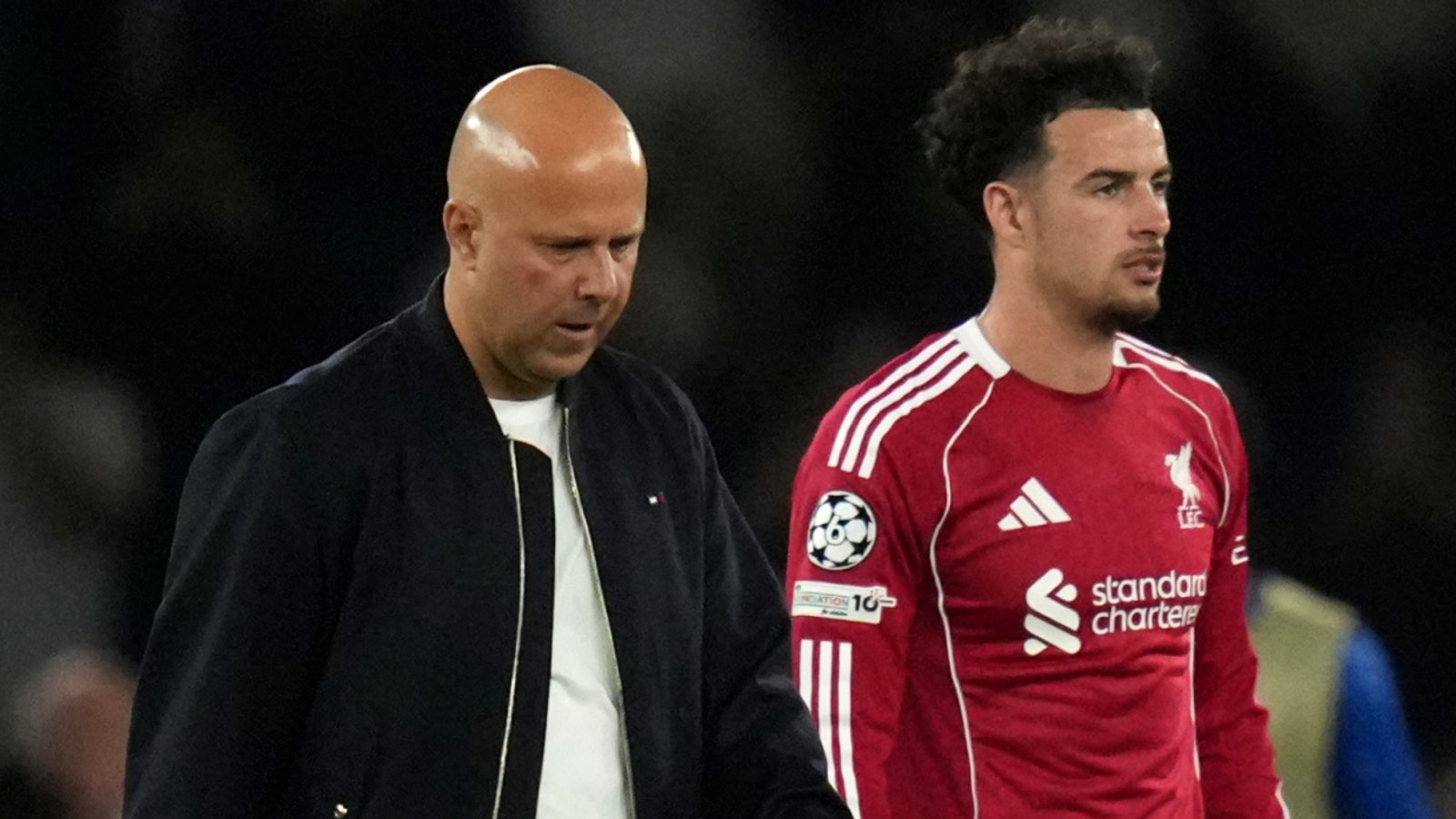
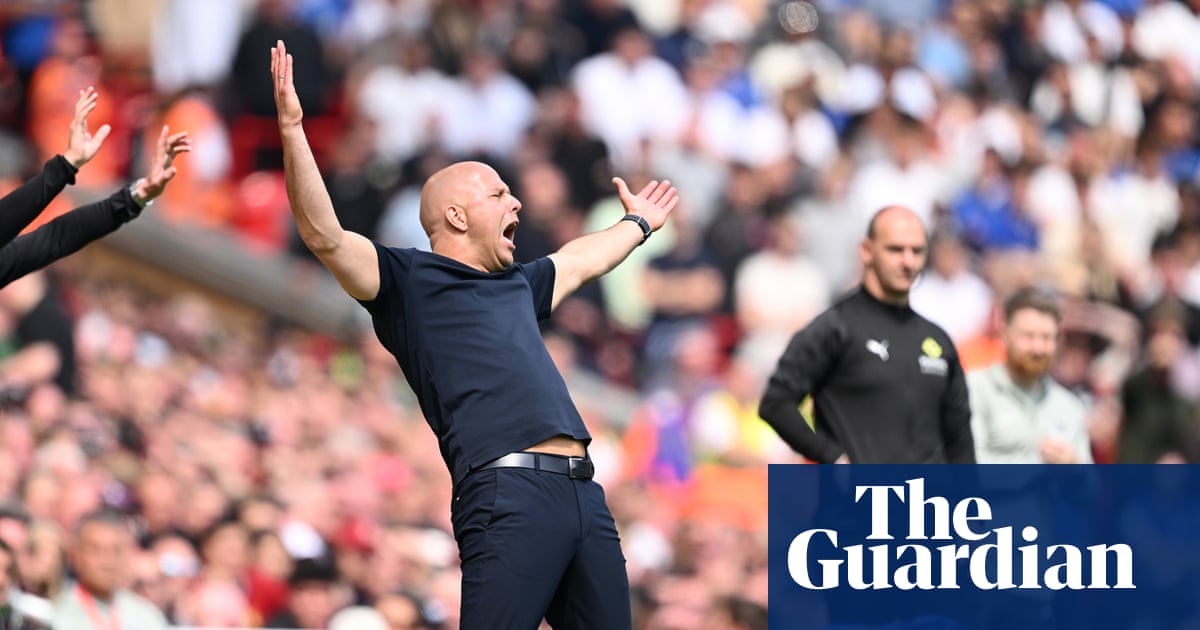
The collapse at Anfield
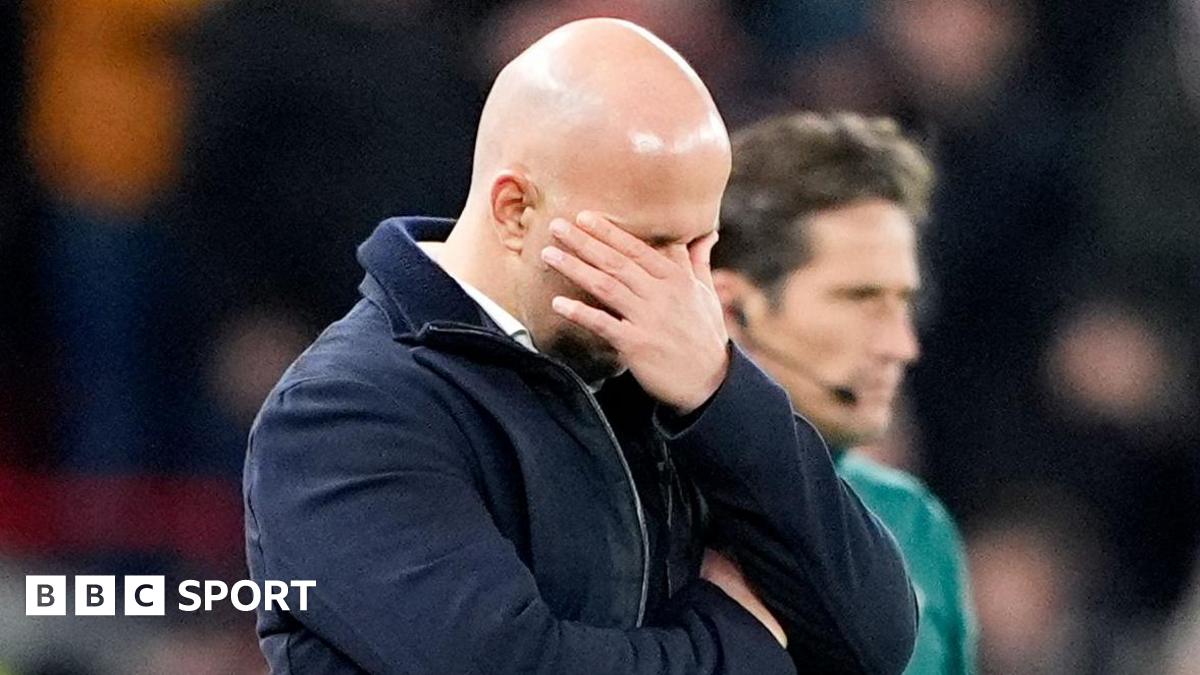
Liverpool find themselves in uncharted territory. Just twelve months removed from securing their 20th English title, the club has parted ways with Arne Slot. When the owners at Fenway Sports Group wield the axe, they rarely act on impulse. The decision follows a second season where the tactical foundation eroded significantly, leaving a team that looked champions in May 2025 looking lost by the spring of 2026.
As Mirror Football reported, there was a specific moment of toxicity that sealed Slot’s fate. It wasn't just the results, but the disconnect between the manager's rigid high-line intentions and the personnel's diminishing physical capacity to recover. The numbers were damning. The xG against them soared as the deep-midfield screen vanished, leaving the center-backs exposed against simple transitions.
Tactical inertia and the missing press
Slot entered with a reputation for intense, high-output pressing. By the turn of the year, that intensity had plummeted. Compare the 2024-25 season, where the team averaged 14 high turnovers per match, to the 2025-26 campaign where that number dipped to 8.4. The engine room lost its calibration, and instead of adjusting the block to be more compact, the team stayed committed to a disjointed, suicidal press that left 40 yards of space behind the midfield.
The fans watched as the team failed to find an answer to teams sitting in a low block. Possession recycling became stagnant. Without a plan B to break down disciplined back fives, Liverpool became predictable. The 0-3 loss to a lower-table side in mid-April served as the final indictment of his management. It was a match where Liverpool held 72 percent of the ball but generated only 0.8 xG.
The daunting road ahead
FSG is now faced with the task of rebuilding a culture that clearly fractured under Slot. They need a head coach who understands the nuance of the current squad’s age profile. Virgil van Dijk and Mohamed Salah are aging, yet the recruitment strategy has been erratic, focusing on utility players rather than replacing top-end output. This gap between the desire for generational success and the reality of their squad depth is the tension that defined Slot’s final months.
The next appointment carries immense weight. If the club continues to flip between philosophies every eighteen months, they risk a decay that will take years to reverse. They cannot afford to chase another project manager who wants to impose a system that demands a complete teardown. They need a stabilizer, someone pragmatic enough to get the best out of these final years of the veteran core.
My prediction for the summer shift
I anticipate the club will lean toward a more pragmatic appointment, perhaps someone familiar with the league's frantic pace. Expect a shift toward a 4-2-3-1 structure that prioritizes security over this aggressive, failed brand of total possession. FSG knows they cannot afford another season finishing outside the top four at the 12-day mark before the World Cup fever takes over the headlines.
Slot will be remembered for the title, but his failure to refresh the internal drive of his players is the true story. He had a 64 percent win rate in his first year, which plummeted to barely 40 percent before his departure. He provided a moment of glory, but failed to build a dynasty. The owners know it, the supporters know it, and now it is time to move on.