The Moments That Defined the 2026 Campaign
The 2026 football calendar pushed teams to their physical limits, forcing tactical pivots that redefined expectations ahead of the summer's massive international schedule. These ten moments represent the inflection points where league tables were shattered and career trajectories swerved.
1. The Feyenoord Collapse and Raheem Sterling Arrest
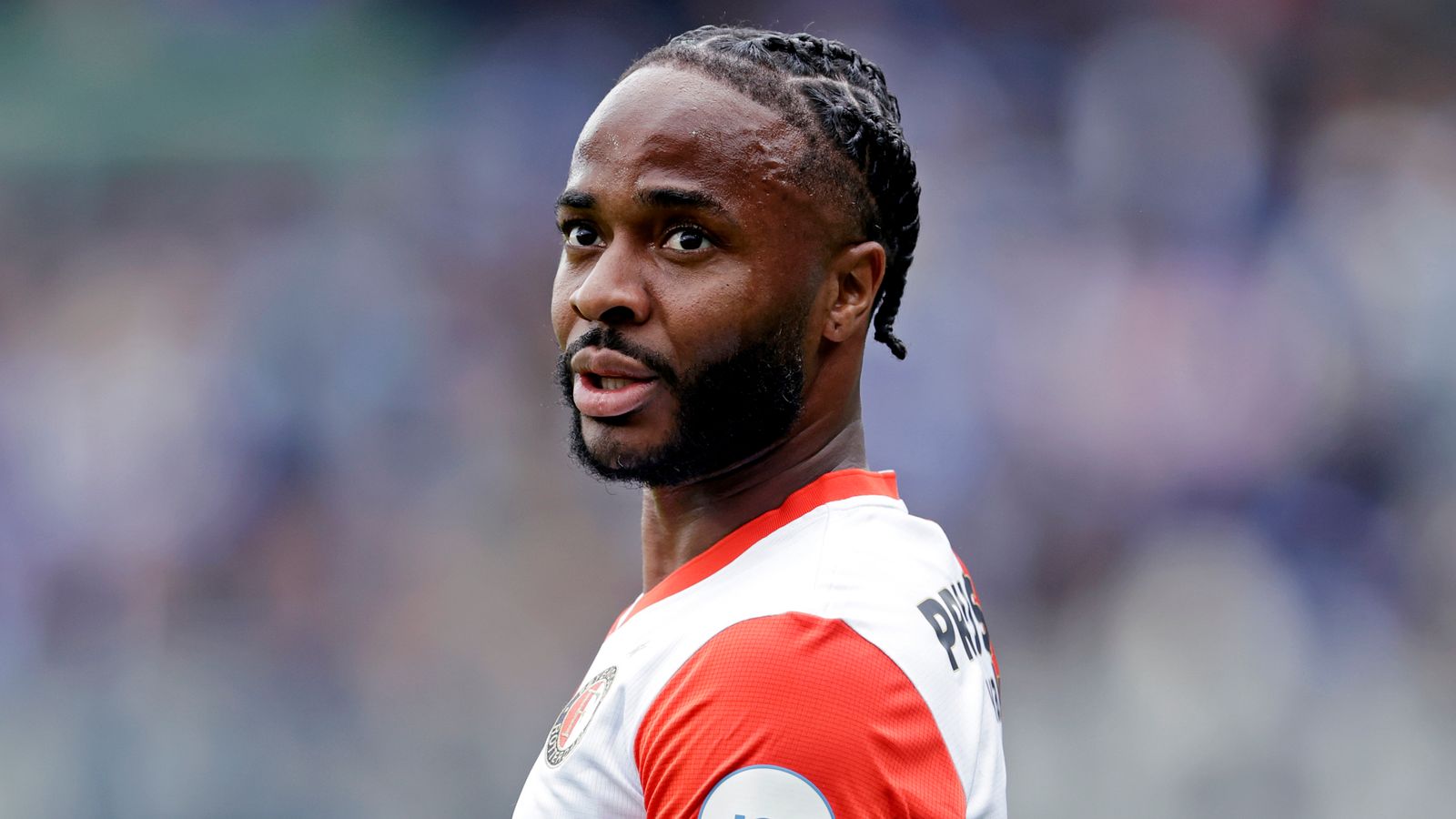
Raheem Sterling's season concluded in complete disorder. As Mirror Football reported, the winger was arrested earlier this week following a car crash in Rotterdam. This incident capped a miserable tenure at Feyenoord where the former England star claimed he was made to feel worthless.
The arrest functions as the undisputed nadir of the 2026 season. Sterling’s failure to settle at Feyenoord became a black hole for the club's locker room morale. His inability to find form, combined with this off-pitch disaster, forces him to the top of this list for all the wrong reasons. It remains an ugly conclusion to a career that once commanded massive transfer fees.
2. Kai Havertz Nets the Champions League Opener
Havertz silenced his critics in the most dramatic fashion possible. His strike against Real Madrid in the final provided the initial surge that tilted the momentum toward the eventual champions. This goal showcased the tactical evolution of the frontline, moving away from traditional target men.
It takes the second spot because of the pressure surrounding his move. Fans questioned his consistency for months, yet he delivered when the stakes were highest. That single touch in the 14th minute validated the entire front office strategy for the current cycle. Critics still argue he disappears in league play, but the trophy on the mantle makes the skepticism quiet.
3. The Title Decider at the Etihad
The match between Manchester City and Arsenal on May 12th determined the Premier League balance of power. Tactical rigidity from the visitors forced a stalemate that eventually broke in stoppage time. That late winner cemented the title for the hosts.
This game ranks high because of the sheer margin of points between the clubs. The 1-0 scoreline reflected the desperate defensive posture employed by both managers. It was a masterclass in risk mitigation that bored neutral viewers but thrilled data analysts. The result ultimately rendered the final day of the season non-competitive.
4. Bayern Munich Sack Their Manager in March
The decision to move on from their head coach before the quarter-finals shocked the Bavarian faithful. It was a massive gamble that appeared to backfire initially. The lack of cohesion in the starting eleven became a liability during the transition period.
This ranks fourth because it serves as a cautionary tale about ego management. Internal reports suggested the players lost faith after a February slump. They barely scraped through the next round, proving that institutional stability often trumps tactical brilliance. It was a messy, avoidable error in leadership.
5. Leverkusen’s Unbeaten Streak Snapped
Leverkusen finally tasted defeat in April, ending a record-breaking run that spanned months. The loss against a modest mid-table side proved the mental fatigue of chasing multiple trophies. They looked sluggish, lacking the verticality that defined their dominance all winter.
This moment sits mid-pack as it highlights the difficulty of sustaining high-intensity pressing systems. The failure to rotate the squad cost them dearly in the long run. Fans were devastated, but the reality was clear: they ran out of gas. It was the moment that grounded them after weeks of mythical status.
6. Jude Bellingham’s Suspension
The decision to bench Bellingham for the Champions League semi-final leg hit Real Madrid hard. The team lacked the box-to-box engine required to transition through the center of the pitch. Consequently, they surrendered possession deep into their own half repeatedly.
Ranks sixth because it was a self-inflicted wound. Discipline is supposedly the hallmark of a champion, yet this lapse proved otherwise. The team missed his specific ability to track back and initiate counter-attacks. It was a wasted opportunity to cruise into the final.
7. AC Milan’s Miracle Comeback Over Inter
The Derby della Madonnina provided the most electric ninety minutes of the year. Trailing by two goals at the break, Milan stormed back to take the lead in a chaotic second half. The defensive organization of Inter evaporated under high-press pressure.
This match earns its spot for the pure emotional violence of the result. It forced a total re-evaluation of the scouting staff at Inter who failed to address aging legs in midfield. The sheer momentum shift from that evening carried them through the rest of the spring campaign. It was tactical anarchy at its finest.
8. The MLS Expansion Fee Announcement
The league confirmed a massive influx of capital for the 2027 cycle, signaling an shift toward global recruitment. Franchises are already bidding for top-tier talent from aging European rosters. The news triggered massive discussions about the future salary cap structures.
It ranks eighth as it represents a shift in institutional direction rather than a specific sporting event. Critics argue this focuses too much on money and not enough on youth development. The financial stakes are rising, and the parity that defined the league for years is vanishing. It is a win for accountants, but a risk for purists.
9. Liverpool’s Mid-Season Tactical Shift
After a string of poor results, the management moved to a hybrid back-three system. The change immediately locked down leaking defensive structures that had cost them points against bottom-half teams. It was a desperate move that ultimately saved their top-four finish.
This ranks ninth because it was an emergency repair rather than a long-term plan. It showcased the lack of depth in the traditional fullback position. While it worked in the short term, it left them vulnerable to more technical sides later in the year. A stop-gap fix is not a strategy.
10. The Saudi Pro League Youth Pivot
The strategy changed from buying veteran stars to acquiring players under twenty-three. This move signaled a shift in perception for the league's legitimacy. They are building for 2030 rather than chasing immediate headlines with aging legends.
Ranks last because the tangible results remain slim. It is a long-term play that has yet to reflect in any meaningful trophy or ranking increase. Youth development requires patience, and the fan base is notoriously impatient with slow, structural progress. They have a long road ahead to prove this pivot was anything more than marketing fluff.
Honorable Mentions
The surprise exit of Sevilla from the Europa League knockout stages, the unexpected resurgence of Aston Villa’s youth academy, and the early injury to Virgil van Dijk that forced a frantic defensive reshuffle for the Reds.