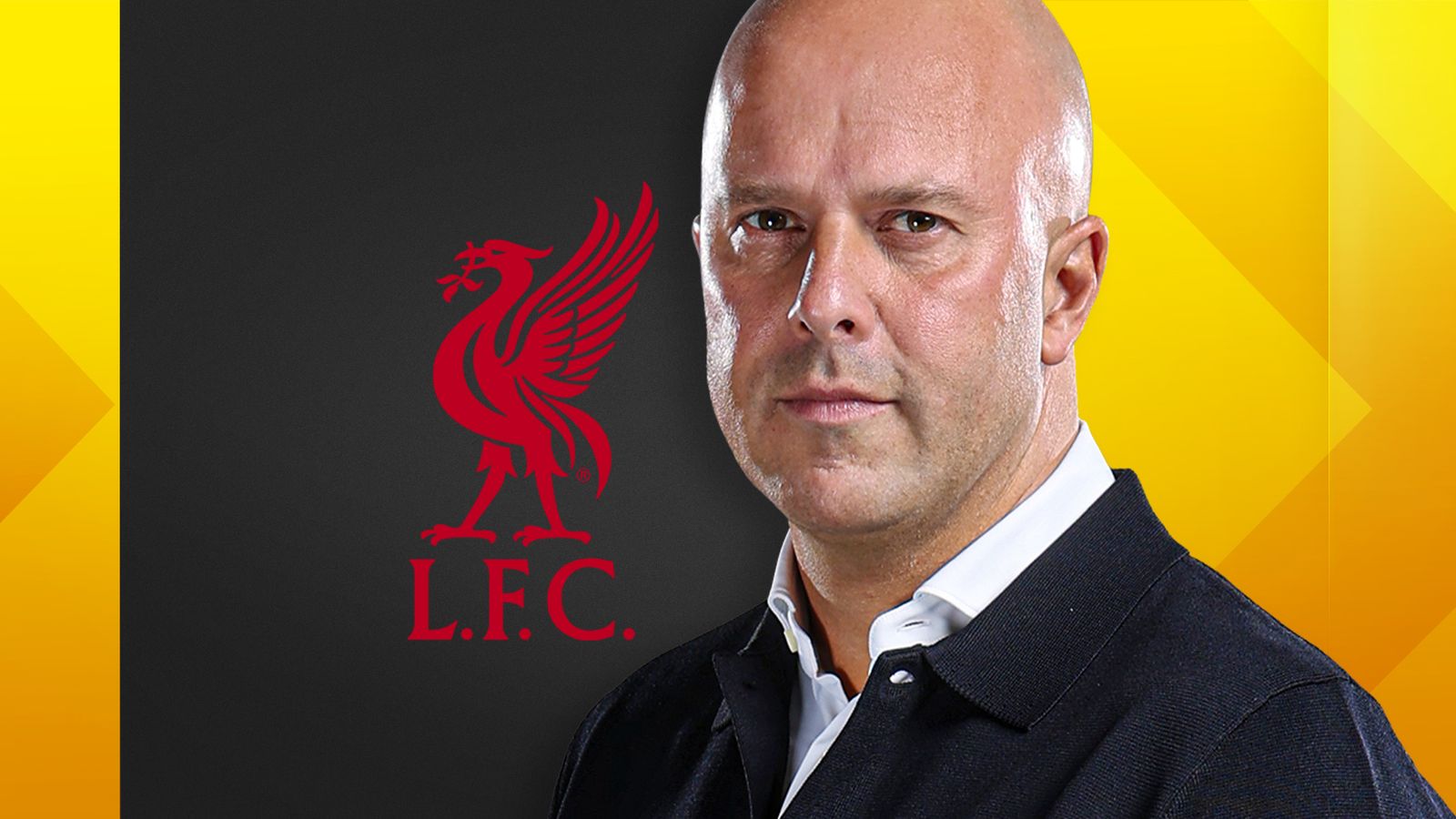
The cost of a tactical soul-swap
In the summer of 2024, Richard Hughes and Michael Edwards were the toast of Merseyside for doing almost nothing. They spent exactly £35 million on Federico Chiesa and a future-dated Giorgi Mamardashvili, watched Arne Slot win the Premier League with Jurgen Klopp’s leftovers, and pocketed the praise for 'efficiency.' Then came the summer of 2025. The duo sanctioned a staggering £450 million overhaul, shattered the British transfer record for Florian Wirtz, and fundamentally re-engineered the squad’s DNA.
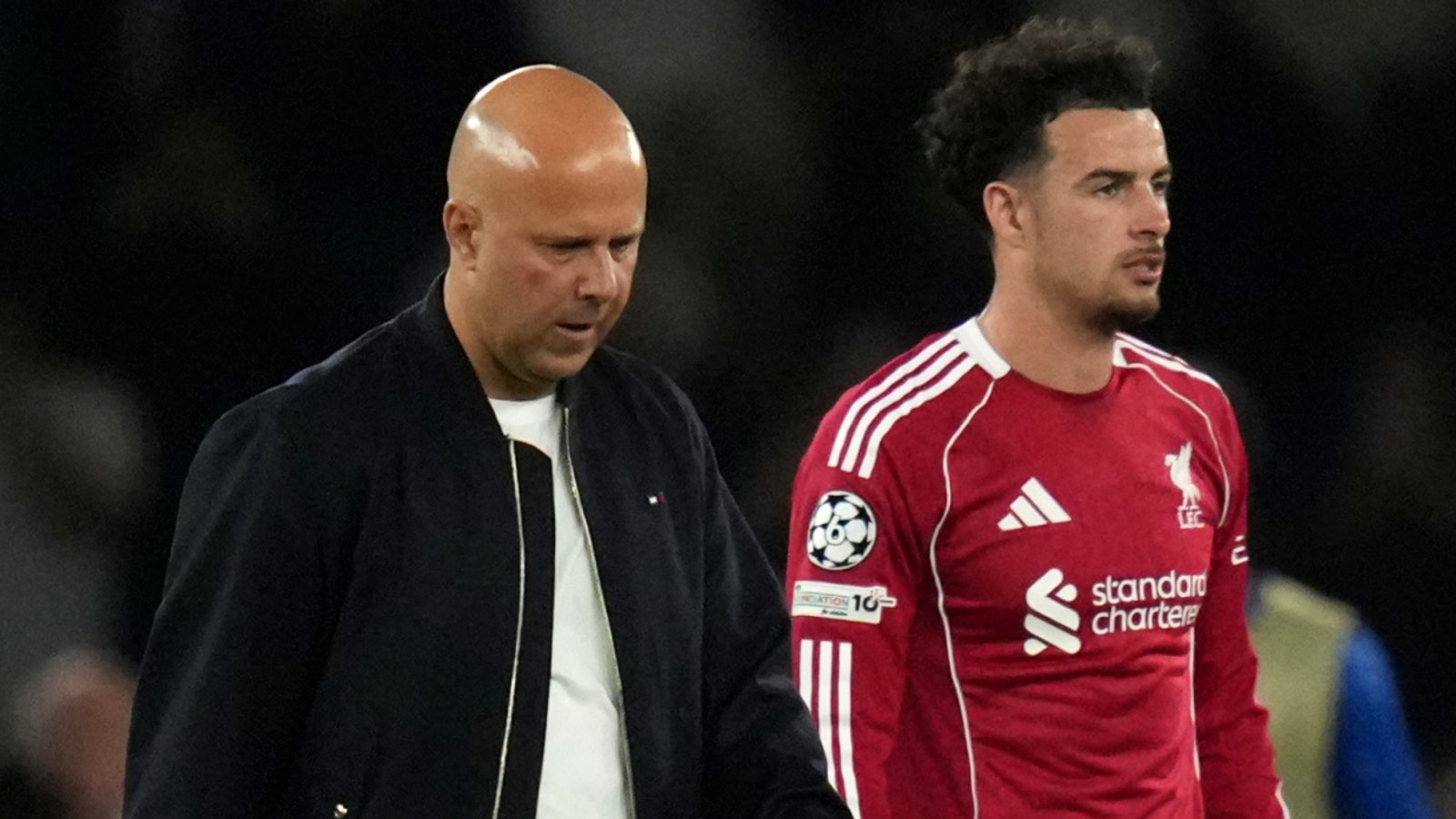
By the time the final whistle blew on the 1-1 draw with Tottenham in late March 2026, the mood had soured. Liverpool didn't just drop two points; they looked like a team that had traded its identity for a spreadsheet. The numbers suggest that while individual quality has skyrocketed, the structural integrity of the side has hit a three-year low. Slot’s win percentage has dipped from 74% in his debut season to 61% in this current campaign, a decline that directly tracks with the departure of the club's creative heartbeat.
The Trent Alexander-Arnold deficit
The most damning statistic of the Hughes-Edwards era isn't a signing, but a departure. Allowing Trent Alexander-Arnold to join Real Madrid for a derisory £8.3 million (€10m) in 2025, after failing to secure his contract, is looking like a generational administrative failure. Jeremie Frimpong was brought in for £29.5 million as the 'statistical successor,' but the output is not comparable. Alexander-Arnold averaged 0.38 expected assists (xA) per 90 minutes; Frimpong, while faster and more direct, is managing just 0.19 xA.
This drop in creative volume from the right flank has forced Florian Wirtz to carry an unsustainable load. Wirtz is a phenomenal talent, justifying much of his £116 million fee with 14 league assists this season, but he is operating in a vacuum. In 2024, Liverpool’s threat was diversified across five channels. In 2026, it is localized in the German international’s boots. When Spurs successfully shadowed Wirtz out of the game last month, Liverpool’s xG plummeted to a season-low 0.82.
The Isak and Ekitike efficiency trap
On paper, replacing Luis Diaz and Darwin Nunez with Alexander Isak and Hugo Ekitike was a move toward clinical professionalism. Isak cost £125 million and has delivered 22 goals, which is a significant individual improvement over Nunez’s chaotic variance. However, the collective attacking output has strangely stagnated. Liverpool averaged 2.4 goals per game during their title-winning 2024/25 season; that figure has dropped to 2.1 this year.
The issue lies in the pressing data. Nunez and Diaz were defensive monsters, ranking in the 90th percentile for successful tackles in the final third. Isak and Ekitike, for all their technical grace, rank in the 40th percentile. This 50% drop in high-turnover efficiency means Liverpool are facing 4.2 more transitions per game than they did twelve months ago. The 1-1 draw against Tottenham was a masterclass in this vulnerability, as Micky van de Ven repeatedly bypassed a passive front line to trigger counter-attacks.
The Mamardashvili transition
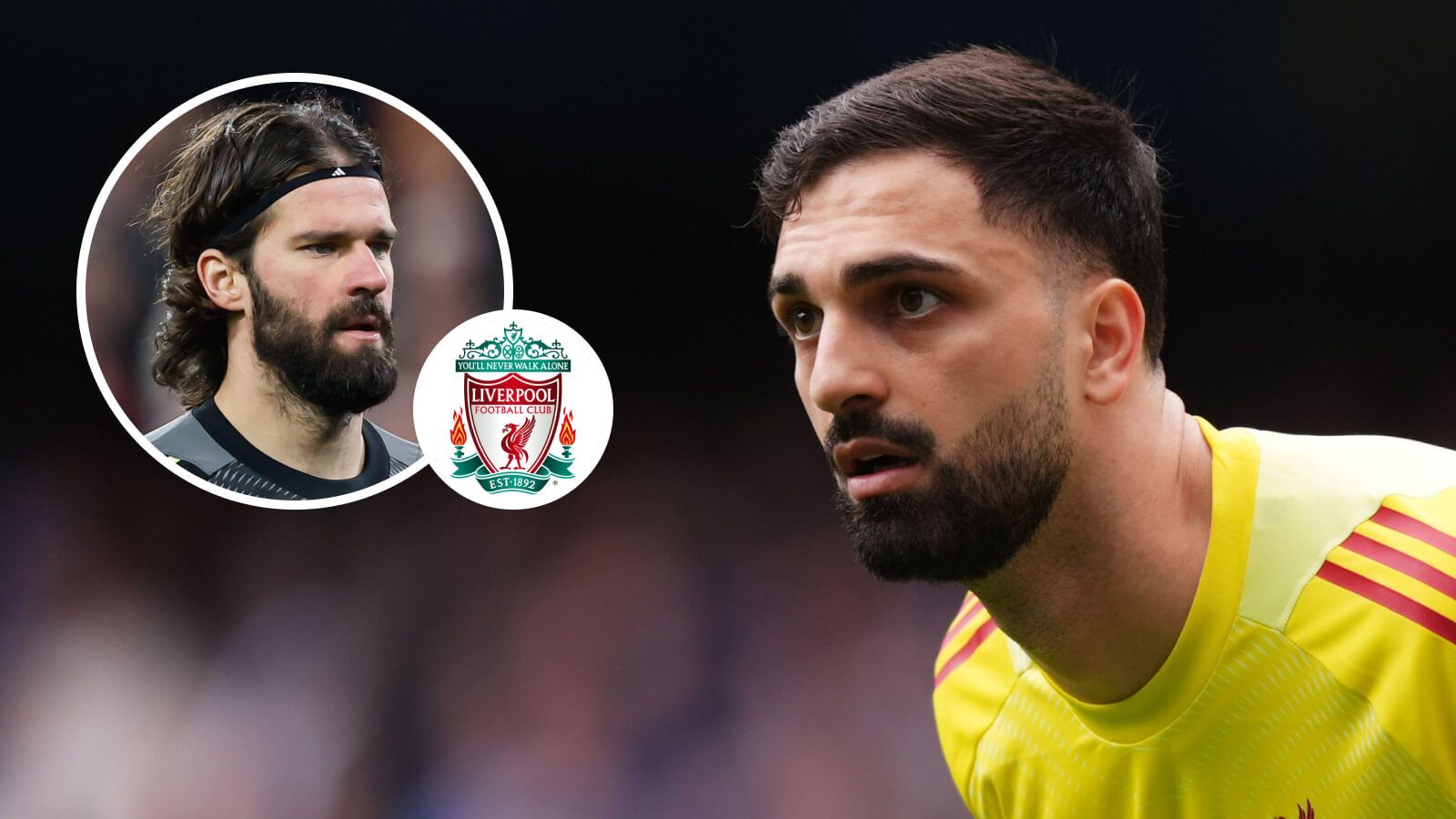
The transition in goal has also been more turbulent than the stats initially predicted. Giorgi Mamardashvili arrived from Valencia with a reputation as the best shot-stopper in Europe, and his 'goals prevented' metric is indeed elite at +5.2 for the season. But he is not Alisson Becker. The Brazilian’s ability to act as a 11th outfielder allowed Slot to play a high line that compressed the pitch to 35 meters. Mamardashvili’s passing accuracy under pressure is 12% lower than Alisson’s peak, forcing the center-backs to drop deeper.
This deeper defensive line has created a 'no-man's land' in midfield that Alexis Mac Allister is struggling to cover alone. It is no coincidence that fans are leaving Anfield early. The football has become predictable, heavy, and reliant on individual brilliance rather than the systemic suffocation that defined the previous decade. The £60 million January addition of Jeremy Jacquet was a reactive attempt to fix a hole that shouldn't have existed if the defensive recruitment had been staggered more intelligently.
A critical lack of leadership
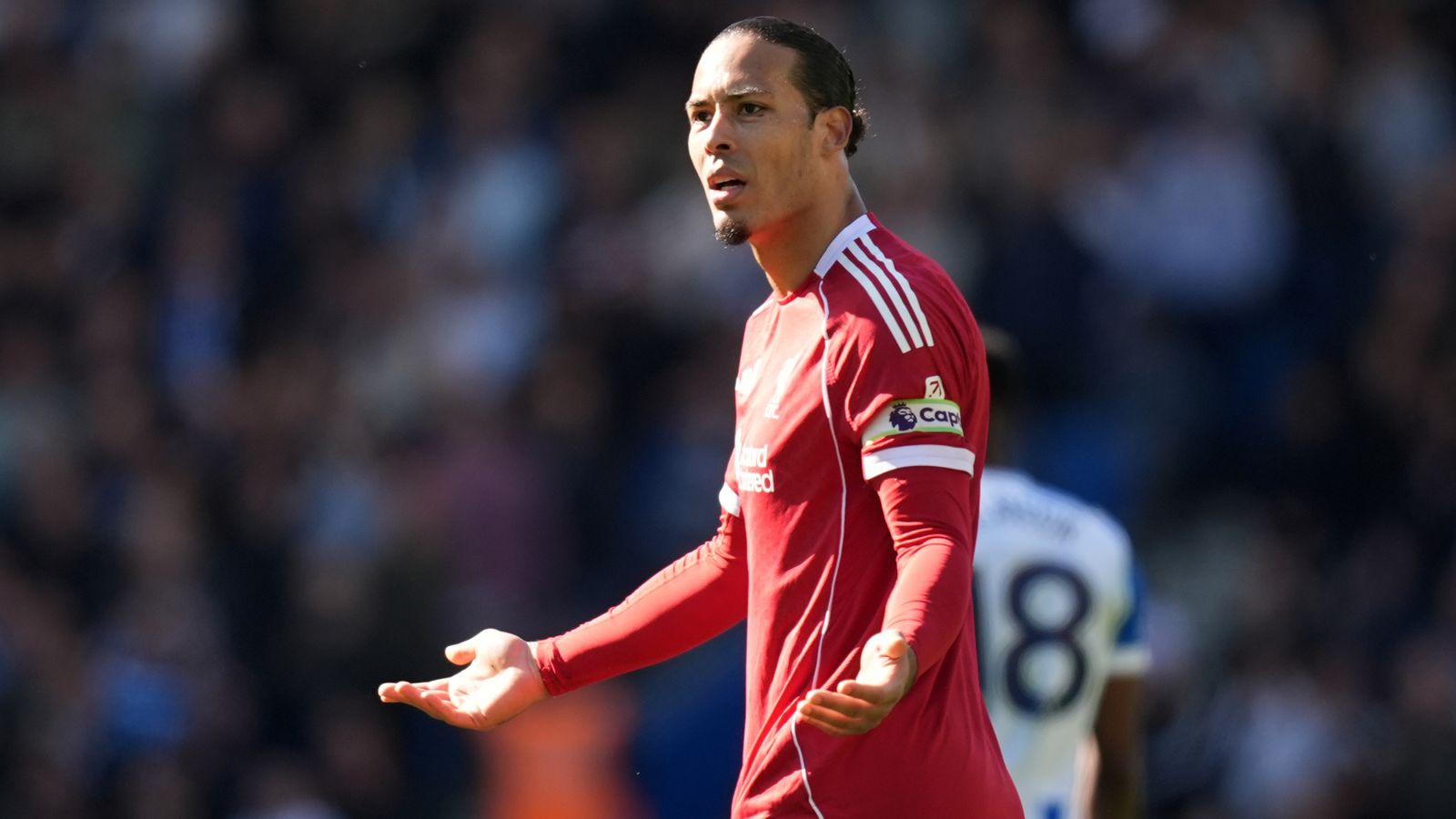
Beyond the spreadsheets, there is a visible void in the team's mental resilience. The 'awful capitulation' against Tottenham, as Jamie Carragher correctly labeled it, saw Liverpool concede an equalizer in the 89th minute despite having 65% possession. In the 2024/25 season, Liverpool recovered 18 points from losing positions. This season, they have recovered only four. The squad is younger, more expensive, and more talented, but it is also significantly more fragile.
Dominik Szoboszlai’s plea for fans to 'stick with us' after the Spurs game sounded less like a rallying cry and more like an admission of a disconnect. When you sell the local icons and replace them with record-breaking imports, the margin for error disappears. Hughes and Edwards have built a team that looks great in a simulation but struggles with the visceral reality of a Premier League title race in April. If the current trajectory continues, the 2024 title will look less like the start of an era and more like a fluke of timing.
The financial reality of 2026
The net spend under the current leadership sits at roughly £320 million when factoring in the sales of Nunez, Diaz, and the Brentford duo. While the commercial department will point to the 'brand value' of having Wirtz and Isak, the footballing return on investment is currently negative. Liverpool are 9 points behind the pace set by Manchester City and appear to be battling for third rather than defending their crown. It is a sobering reminder that in the data era, you can win every spreadsheet battle and still lose the war on the grass.
The upcoming WrestleMania 41 in Las Vegas might be the biggest show in the world this week, but for Liverpool fans, the real drama is the looming sense of a wasted cycle. Slot is a brilliant coach, but he is currently a man trying to drive a Ferrari with a gearbox designed for a Bentley. Hughes and Edwards must decide if they are building a football team or a collection of assets, because at Anfield, the fans know the difference, and they are starting to vote with their feet.