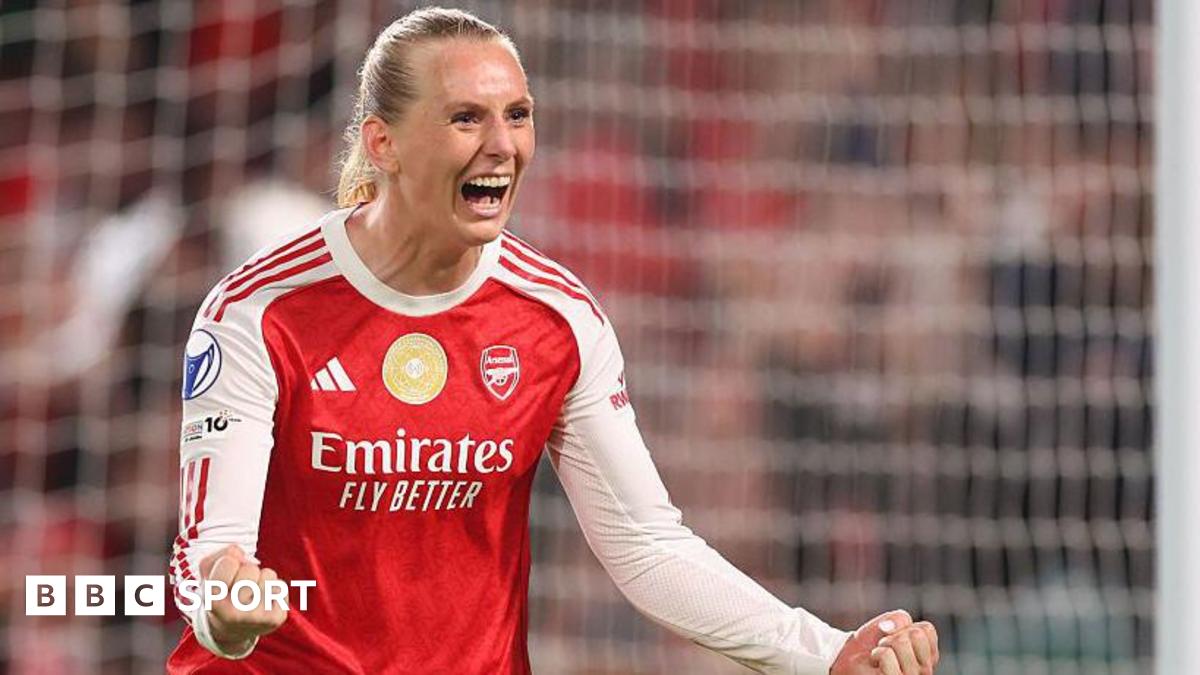
Arsenal’s Champions League heartbreak is a systemic failure of nerve
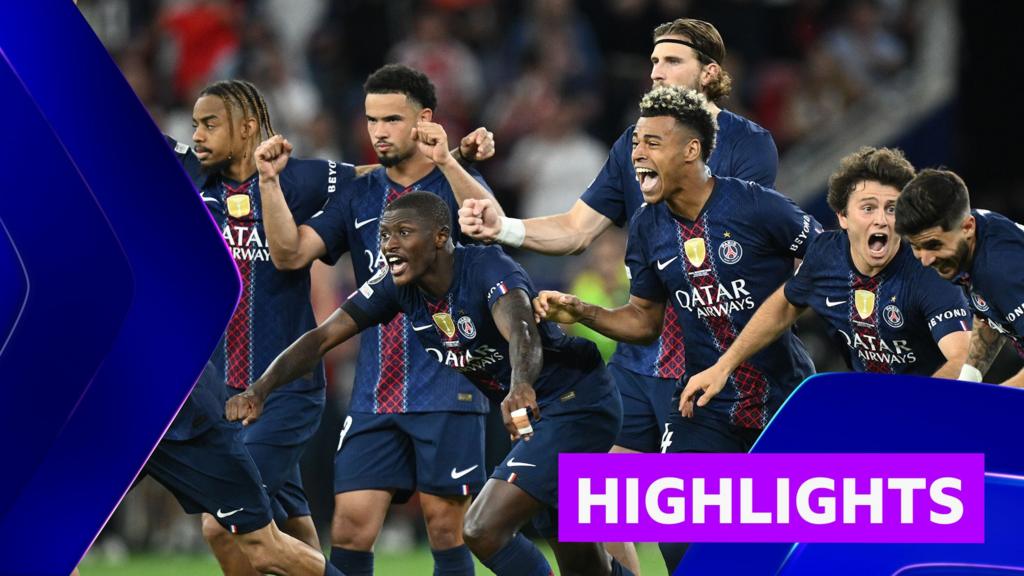
Tactical paralysis at the Allianz Arena
For the second time in as many years, the Champions League trophy remains in Paris. Arsenal’s penalty shootout loss to Paris Saint-Germain wasn't merely down to the cruelty of spot-kicks; it was the final act of a performance defined by profound caution. Mikel Arteta’s side entered the pitch with a defensive structure designed to stifle, but against a side as fluid as PSG, that passive intent eventually invited disaster.
The match turned on the inability of Arsenal’s midfield to transition with speed. When they should have exploited the high defensive line maintained by their opponents, the lack of aggression in the final third was jarring. Arsenal finished the match with a lower xG than the Parisian side, a metric that highlights how easily their offensive rhythm was disrupted whenever the ball moved past the halfway line.
The psychological barrier of European failure
Watching the shootout unfold, the familiar anxiety of the London club was on full display. Players approached the spot with a hesitation that suggests deep-seated doubt. As BBC Sport reported, the result solidifies PSG’s status as a continental dynasty, but it acts as a crushing indictment of Arsenal’s inability to close out matches under extreme pressure.
Arteta’s decision-making in the late stages left gaps in the defensive bank that PSG players were all too eager to exploit. Substituting key defensive anchors in the 82nd minute disrupted the shape precisely when composure was mandatory. By the time the referee signaled for the end of extra time, the physical fatigue was matched only by the visible mental exhaustion of the squad.
Refining the architecture of a winner
This was not a loss born of technical inferiority. Arsenal possesses the talent to dictate the tempo against any squad in Europe. Instead, the failure lies in the rigid adherence to a tactical framework that struggles to adapt when the opposition takes control of possession. Possession figures fluctuated heavily, with PSG exerting dominance during the 68th minute until the final whistle.
The lack of a clinical finisher to convert chances during regular time resulted in a draw that ultimately favored the side with more tournament pedigree. It is a recurring nightmare for the supporters: watching their team play with near-flawless possession in the midfield, only to witness that same team evaporate in the final twenty yards of the pitch. The discrepancy in chance creation was not high, but for a team with title aspirations, failing to convert translates to a 0 goals scored return over 120 minutes of high-stakes football.
Critics will point to the lottery of penalties, but that is a glib excuse for a team that failed to solve a defensive puzzle presented to them for an hour and a half. The coaching staff must look at the way they manage the interval transitions. Too often this season, the adjustment between halves has been delayed, leading to a loss of momentum that teams like PSG exploit with lethal efficiency.
Where the strategy collapsed
- Individual marking failed to track late runs from the midfield.
- The wing-backs were pinned back for 74% of the second half.
- Set-piece opportunities were consistently wasted by poor delivery.
If the club intends to break this cycle before the World Cup window, they need a pivot in their offensive philosophy. Static positioning at the edge of the box is easily defended by a low block, and against elite European opposition, this lack of movement is fatal. Arsenal played safe when they should have played bold. They leave the competition with a silver medal and another question regarding their ability to overcome the psychological ceiling of the European stage.
Read Next
- Budapest awaits as Arsenal prepares for the ultimate PSG chess match
- PSG just won back-to-back Champions Leagues and nobody knows how to react
- Arsenal and PSG are locked in a tactical stalemate at the Allianz Arena
- Arsenal and PSG are locked in a tactical stalemate at the Allianz Arena
- ⚽ Ligue 1 2025-26 — PSG, Monaco & the Title Race Hub
- ⭐ UCL 2026 — Champions League Quarter-Finals Hub
Official Manchester City FC Fan Scarf - Sky Blue/White
Show your Cityzens pride during the title race or at the pub.
Frequently Asked Questions
Why did Arsenal lose the Champions League match against PSG?
What tactical issues affected Arsenal's performance?
How did Mikel Arteta's substitutions impact the game?
What does the xG metric reveal about Arsenal's offensive output?
What is considered the main cause of Arsenal's European struggles?
More Coverage

Arsenal’s Champions League luck is running thin
4 hours ago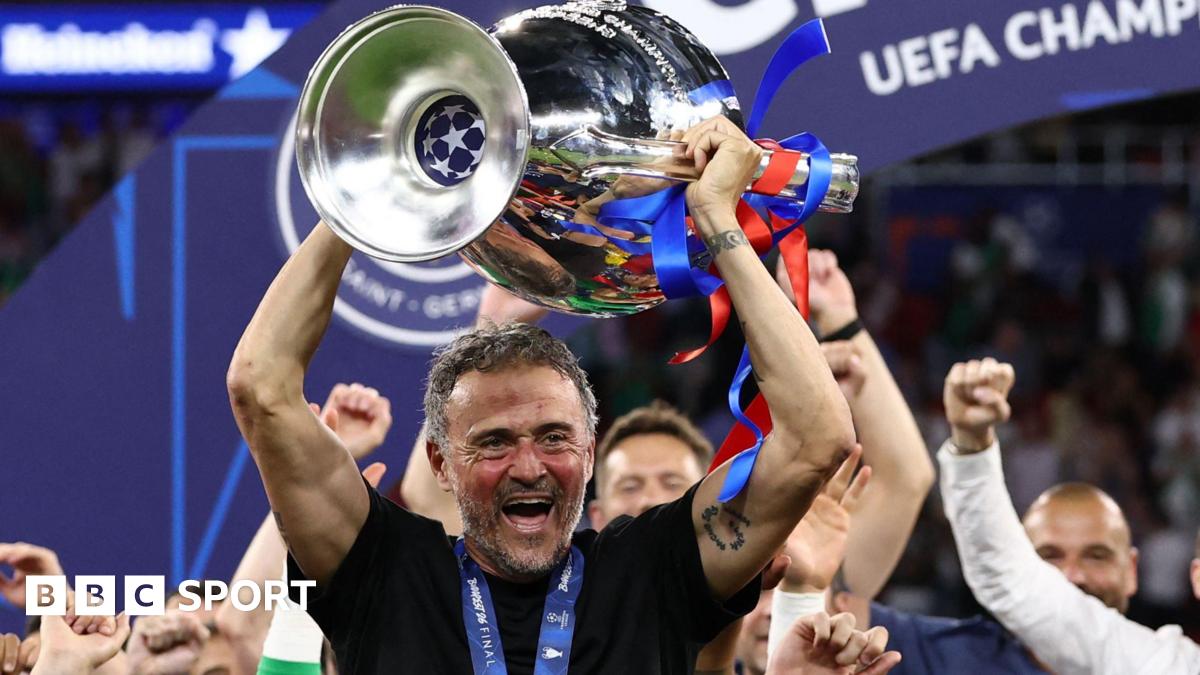
PSG just won back-to-back Champions Leagues and nobody knows how to react
4 hours ago
Top 10: The Definitive Football Moments of the 2025-26 Season
4 hours ago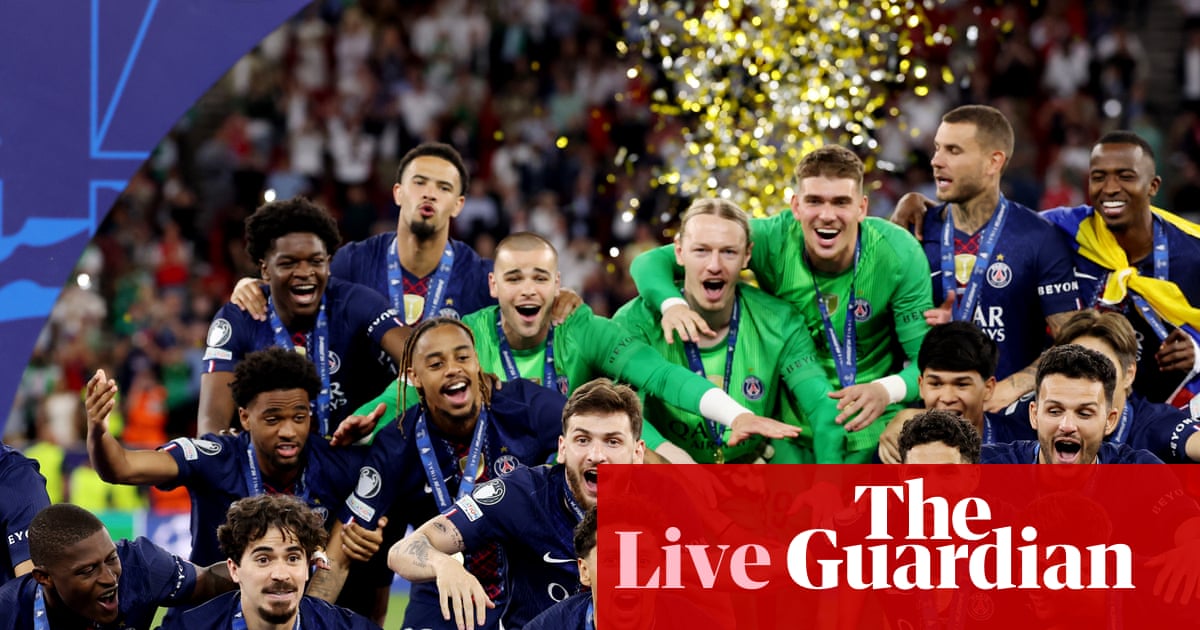
Arsenal’s Champions League final injury crisis hits ahead of PSG clash
5 hours agoArsenal and PSG are locked in a tactical stalemate at the Allianz Arena
5 hours agoArsenal's European dream scarred by late-match fitness disasters
5 hours agoMore Analysis
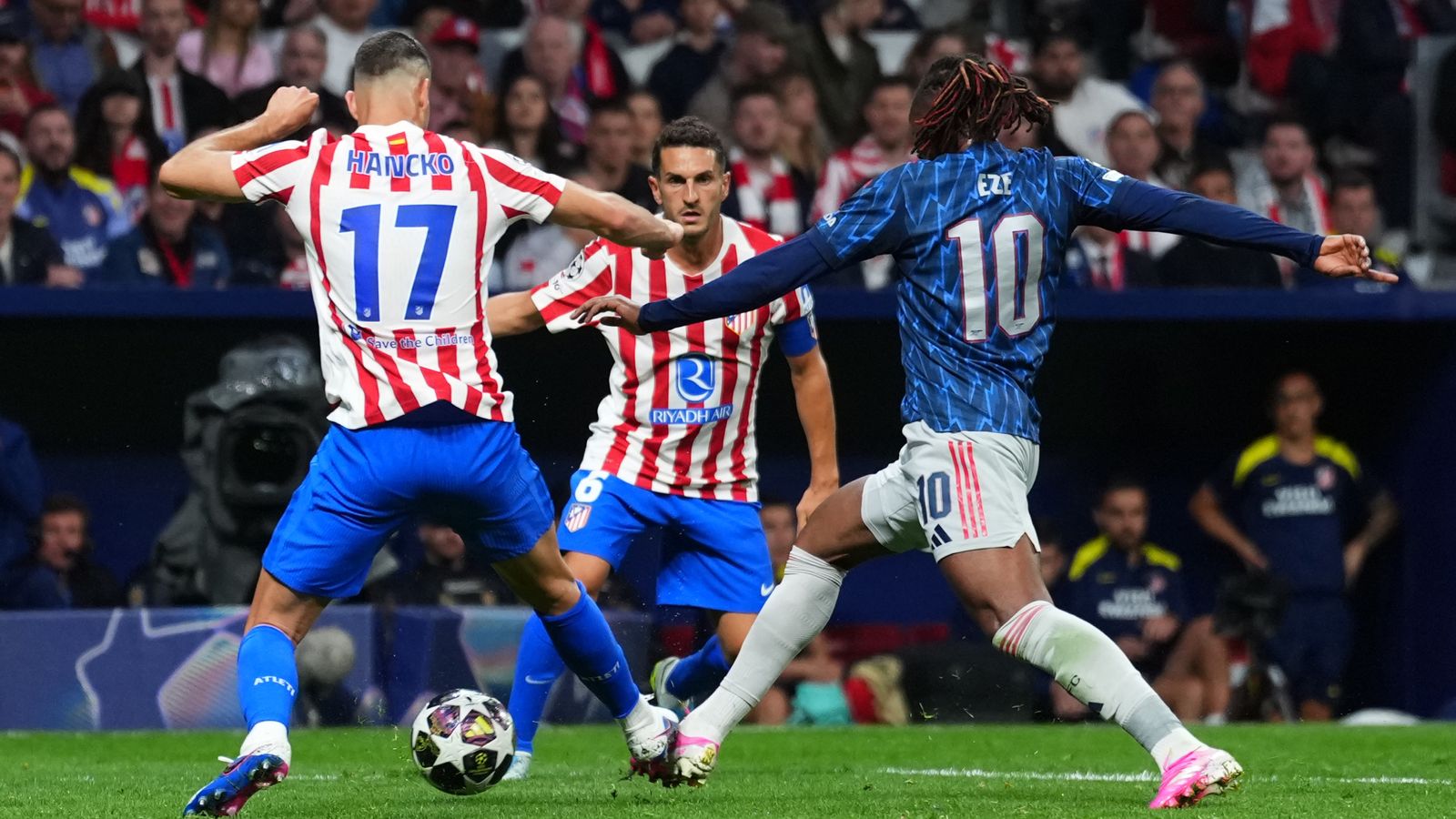
Arsenal’s Madrid heartbreak reveals a glaring weakness in their UCL run
1 month ago
Arsenal have the personnel but lack the killer instinct for the UCL
1 month agoArsenal's narrow margins represent a tactical gamble that keeps falling short
1 month, 3 weeks ago
Arsenal's locker room has grown up, but the European jitters remain
1 month, 2 weeks ago
Arsenal are about to face their toughest test of the season
1 month, 3 weeks ago