The Unavoidable Question: Life After Salah
Anfield pulses with a unique rhythm, one built on tradition, passion, and, for the better part of a decade, the relentless brilliance of Mohamed Salah. As April 2026 marches on, the conversation around Liverpool isn't just about the immediate fixtures or the race for silverware. Increasingly, it turns to the monumental question: who replaces the Egyptian King when his reign eventually concludes?
It’s a thought that has hung heavy over Merseyside for seasons, now sharpened by speculative reports. The club's hierarchy, alongside the new managerial team, faces a challenge unlike any other. They must plan for a future without their talisman, a player whose output has become almost gravitational.
The Weight of a King's Legacy
Salah's statistical impact at Liverpool isn't merely impressive; it's historic. Since his arrival, he has consistently delivered 20+ goals a season, often coupling that with double-digit assists. His records speak for themselves: fastest to 50 goals, shattering long-standing club benchmarks, and a relentless presence in every major competition.
Beyond the numbers, Salah’s tactical role is equally profound. Operating from the right wing, he functions as an inverted forward, cutting in on his left foot with devastating effect. His pace stretches defenses, his close control allows him to navigate congested areas, and his finishing instinct is among the best in world football. He is not just a goalscorer; he is a primary creative outlet and a key component of the team's high-pressing system.
Replacing a player who combines such prolific goalscoring with consistent chance creation, defensive work rate, and an almost superhuman durability is not just difficult, it's an exercise in re-evaluating the entire attacking structure. This isn't a like-for-like swap in a typical transfer window; it's a strategic rebuild of a crucial attacking quadrant.
The Transfer Market's Murmurings: A Profile Emerges
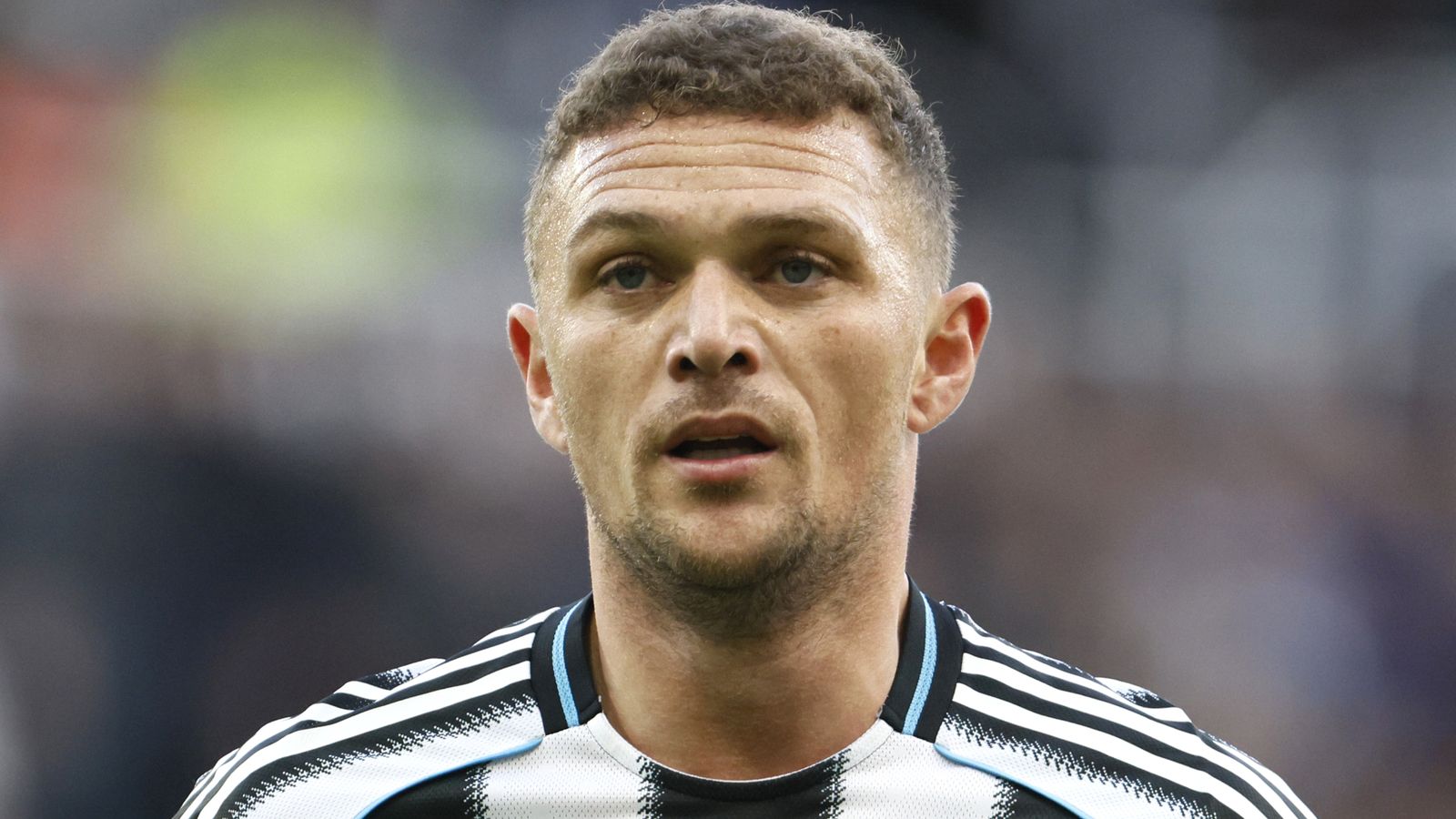
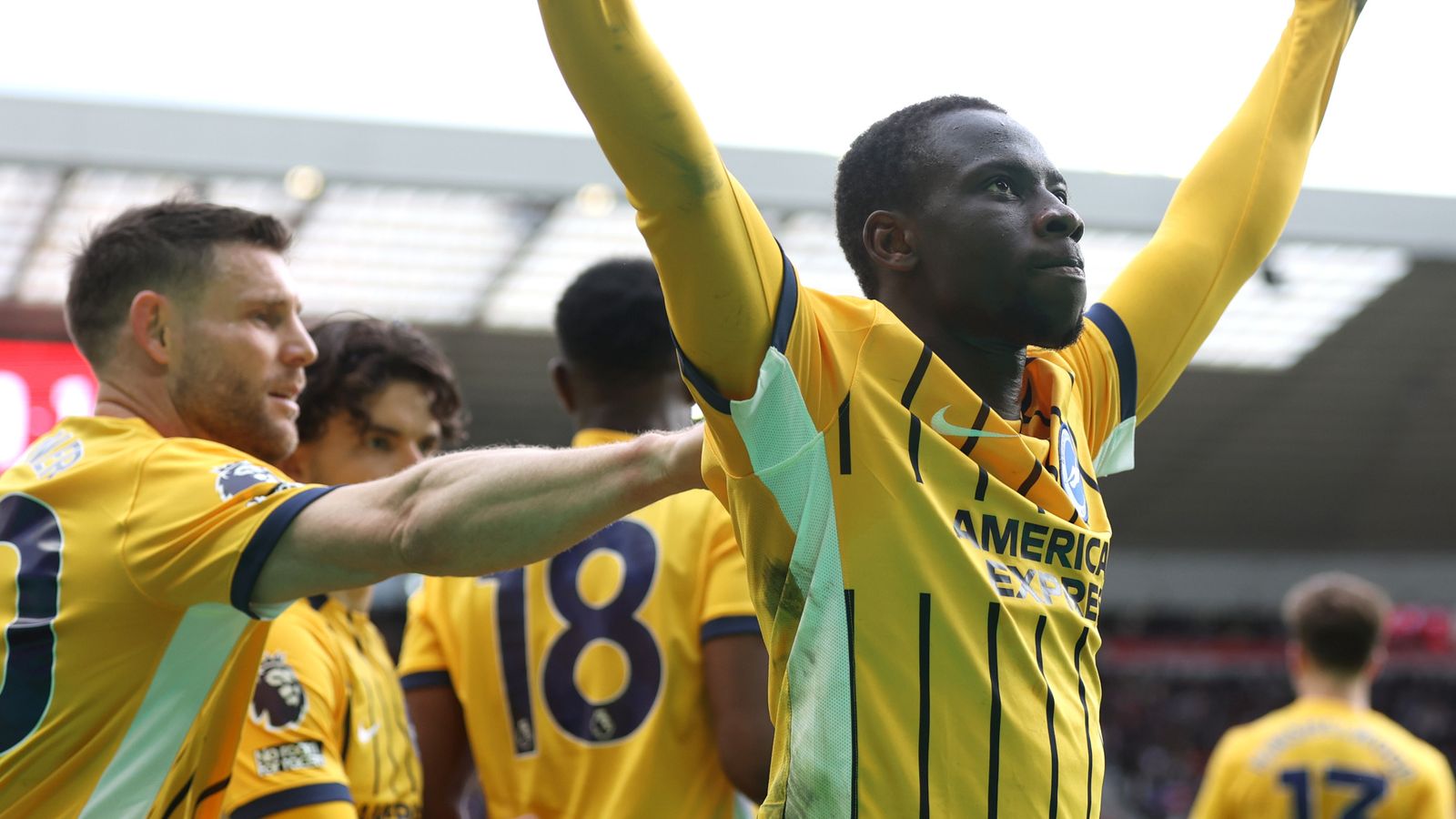
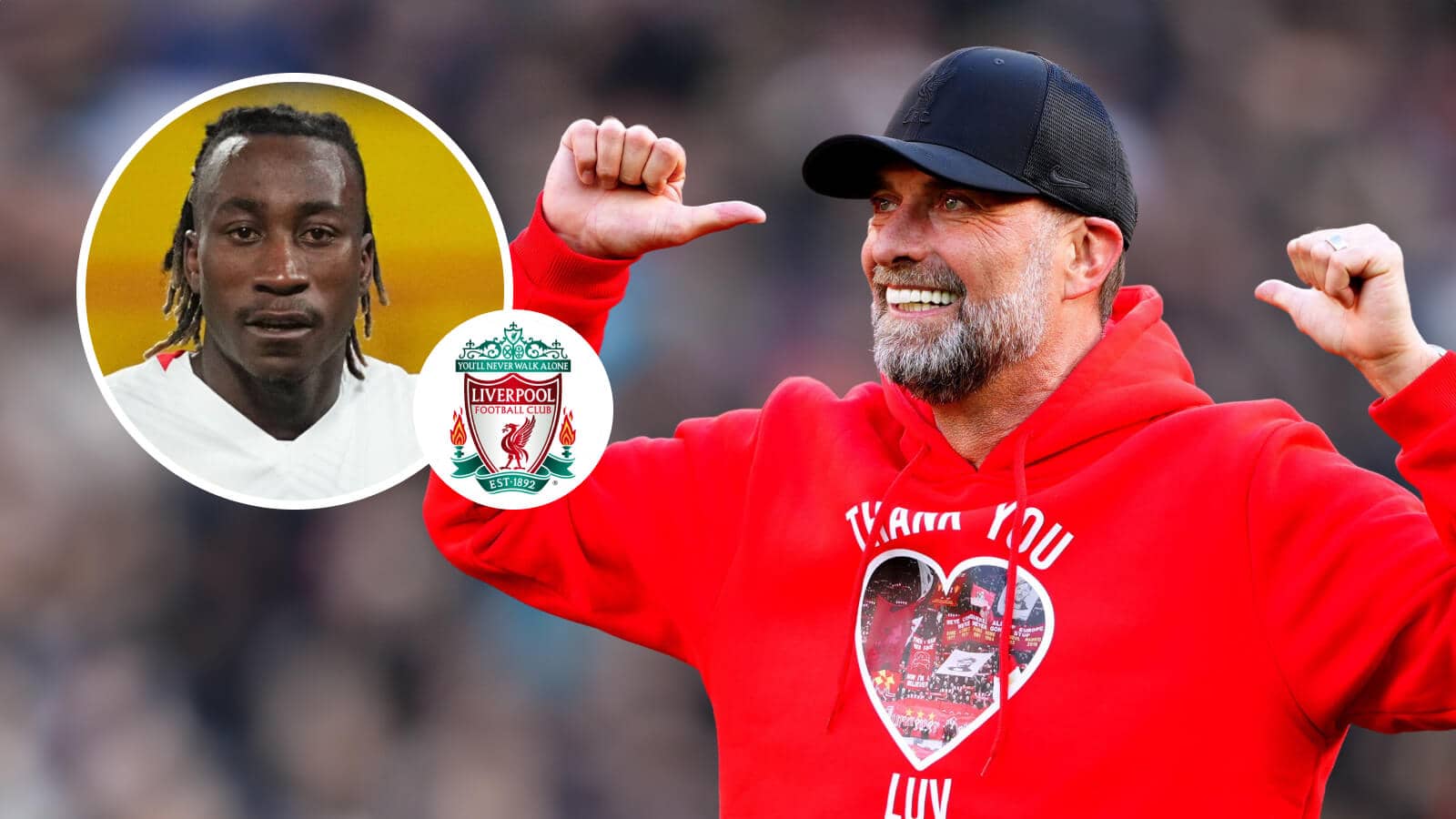
The quiet hum of the transfer market has grown louder. According to a recent report from Mirror Football, Liverpool has been advised to target a specific Premier League star as Salah's successor. This advice, purportedly coming from two venerated club legends, adds a layer of internal expectation to the external pressure.
What's striking about the report is the specific mention of a player whom former manager Jurgen Klopp 'loved'. While Klopp has moved on, his influence on Liverpool's recruitment strategy remains undeniable. This suggests a target who embodies the high-intensity, technically proficient, and tactically intelligent profile that defined the most successful era in recent club history.
Deconstructing the "Klopp Loves" Archetype
Jurgen Klopp’s tenure at Anfield was marked by a clear recruitment philosophy. He sought players with exceptional physical attributes – relentless engines, blistering pace – combined with a sharp footballing brain and a strong, unyielding mentality. A 'Klopp-loved' player would typically possess versatility, capable of operating in multiple attacking roles, and exhibit an immediate capacity to adapt to the league's unique demands.
The concept of identifying a Premier League star makes strategic sense. It eliminates the acclimatization period often required for foreign imports, offering a player already familiar with the pace, physicality, and competitive landscape of English football. This reduces risk significantly, a vital consideration when replacing a player of Salah's caliber.
However, herein lies a critical challenge for the new regime. While Klopp’s preference is a compelling endorsement, the current manager will have their own tactical blueprint and specific requirements. Any transfer target, even one identified under a previous philosophy, must seamlessly integrate into the new coach’s vision. A potential disconnect between historical scouting and present-day needs could undermine an otherwise astute signing.
Beyond the Speculation: Liverpool's Broader Strategic Imperative
The discussion extends far beyond a single player. Liverpool's enduring success demands continuous evolution, a constant refreshing of its attacking arsenal. The departure of a player like Salah will necessitate not just a like-for-like replacement, but potentially a rebalancing of the entire offensive unit, allowing for new avenues of creativity and goal threats.
The club has consistently demonstrated a capacity to identify and integrate top-tier talent, even when operating within financial constraints. The challenge now is to maintain that cutting edge in a post-Salah landscape. This means nurturing existing talents like Darwin Núñez and Cody Gakpo, while simultaneously bringing in external quality that complements their strengths and adds fresh impetus.
The Tactical Fit: What the New Manager Needs
The new manager will be acutely aware of the void Salah's eventual departure creates. Their tactical approach will dictate the precise profile required for the right-wing berth. Will they favor another inverted forward capable of relentless goalscoring, or will they opt for a more traditional winger focused on delivery and stretching the pitch? The answer will shape the search.
Maintaining Liverpool's attacking output isn't solely dependent on one individual. It will require a collective effort, with contributions from midfield and other attacking positions. The goal is to build an attack that is fluid, unpredictable, and capable of dismantling any defense, irrespective of individual personnel changes. A transitional period is inevitable, but its length and impact can be mitigated by intelligent recruitment and sharp tactical adjustments.
The Anfield Verdict: Looking Ahead
The noise around Mohamed Salah’s successor is a natural consequence of his incredible impact. It signifies the respect and apprehension surrounding the departure of a genuine legend. Liverpool's scouting network and transfer committee have proven their mettle time and again, but this particular task stands as one of their most significant.
The club must balance the immediate need for a world-class talent with the long-term strategic vision. They need a player who not only understands the Premier League but also thrives under the intense pressure of Anfield, someone who can embrace the legacy and forge their own path. This is not simply about signing a good player; it's about acquiring an icon in waiting.
Prediction: A Calculated Risk
Liverpool will move decisively to secure a prominent Premier League attacker as Mohamed Salah’s eventual successor. The club’s data-driven approach, combined with the clear endorsement from within, suggests a target who is proven, adaptable, and possesses the requisite mentality for immediate impact. However, the expectation of replacing Salah’s unique blend of goalscoring, creativity, and sheer durability with a single individual is unrealistic in the short term. The incoming player will undoubtedly be a quality addition, providing significant attacking impetus, but the team's overall offensive reliance will inevitably shift towards a more distributed model. The new signing will be excellent, but achieving the same singular gravitational pull that Salah commanded will take time, if it happens at all.
Read Next
- Arne Slot is building a post-Salah machine that nobody sees coming
- Paddy Pimblett just declared war on Arsenal and the internet is losing it
- Championship Chaos: Who Survives the Premier League Promotion Minefield?
- Liam Rosenior is learning the hard way that Chelsea is where tactical plans go to die
- 🇪🇬 Egypt World Cup 2026 — Salah's Last Dance