The Anfield injury crisis gains a new entry
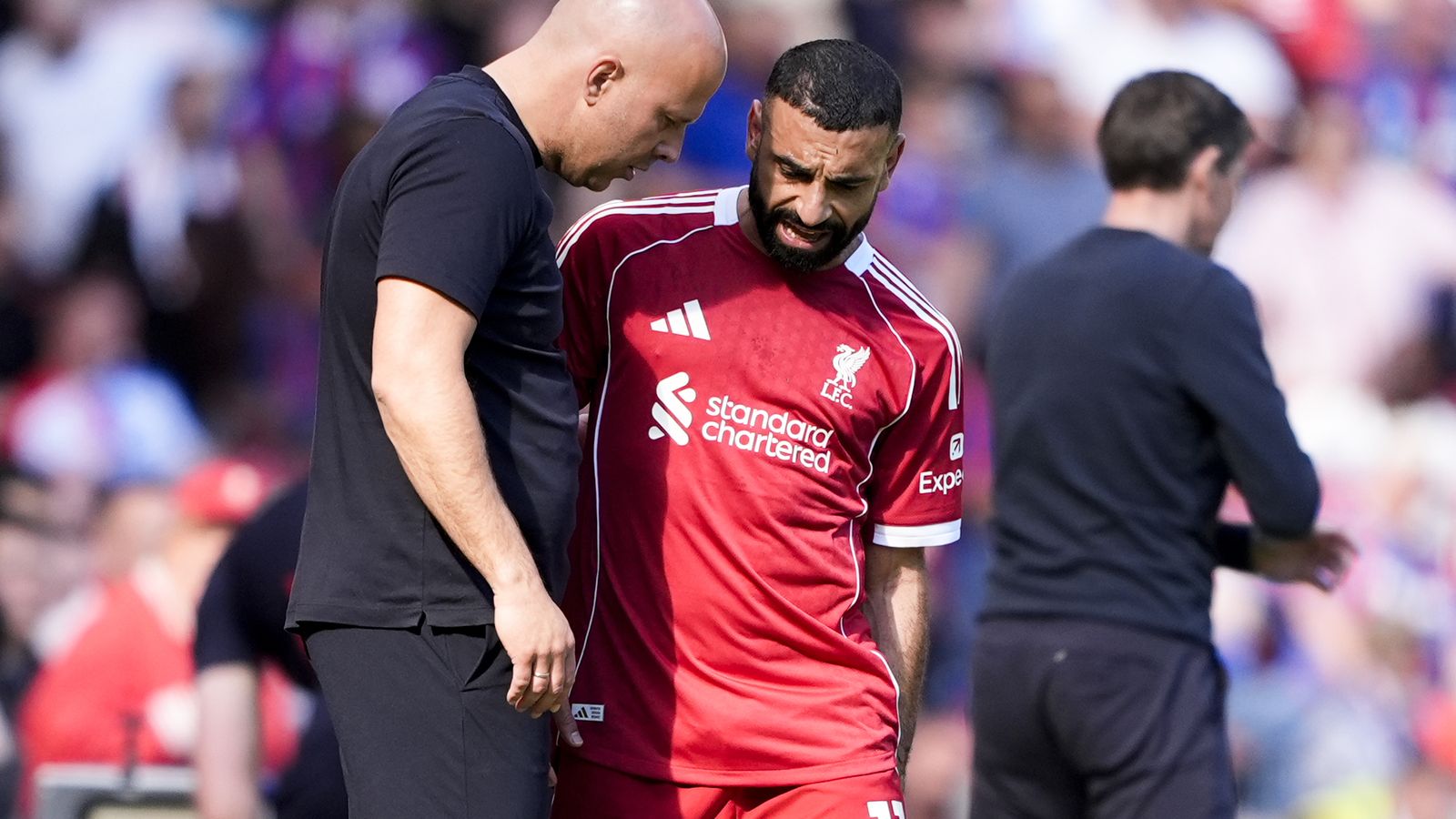
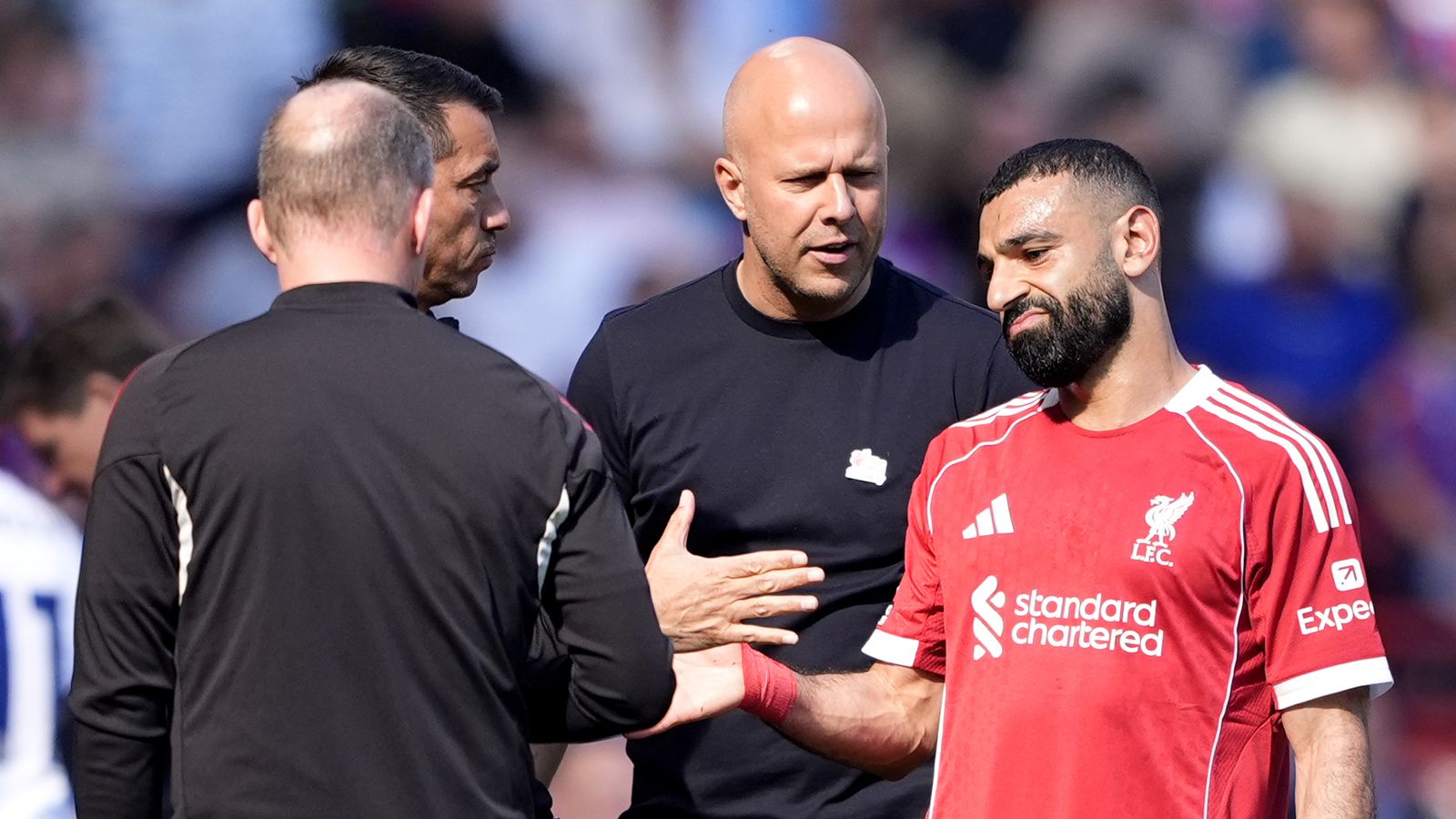
Liverpool climbed to fourth in the table following their win against Crystal Palace, but the three points came at a cost. Mohamed Salah exited the pitch early during the second half. Medical staff confirmed the injury is a hamstring issue sustained while tracking back in transition near the hour mark. He immediately signaled to the bench and sat on the turf, forcing an unscripted substitution.
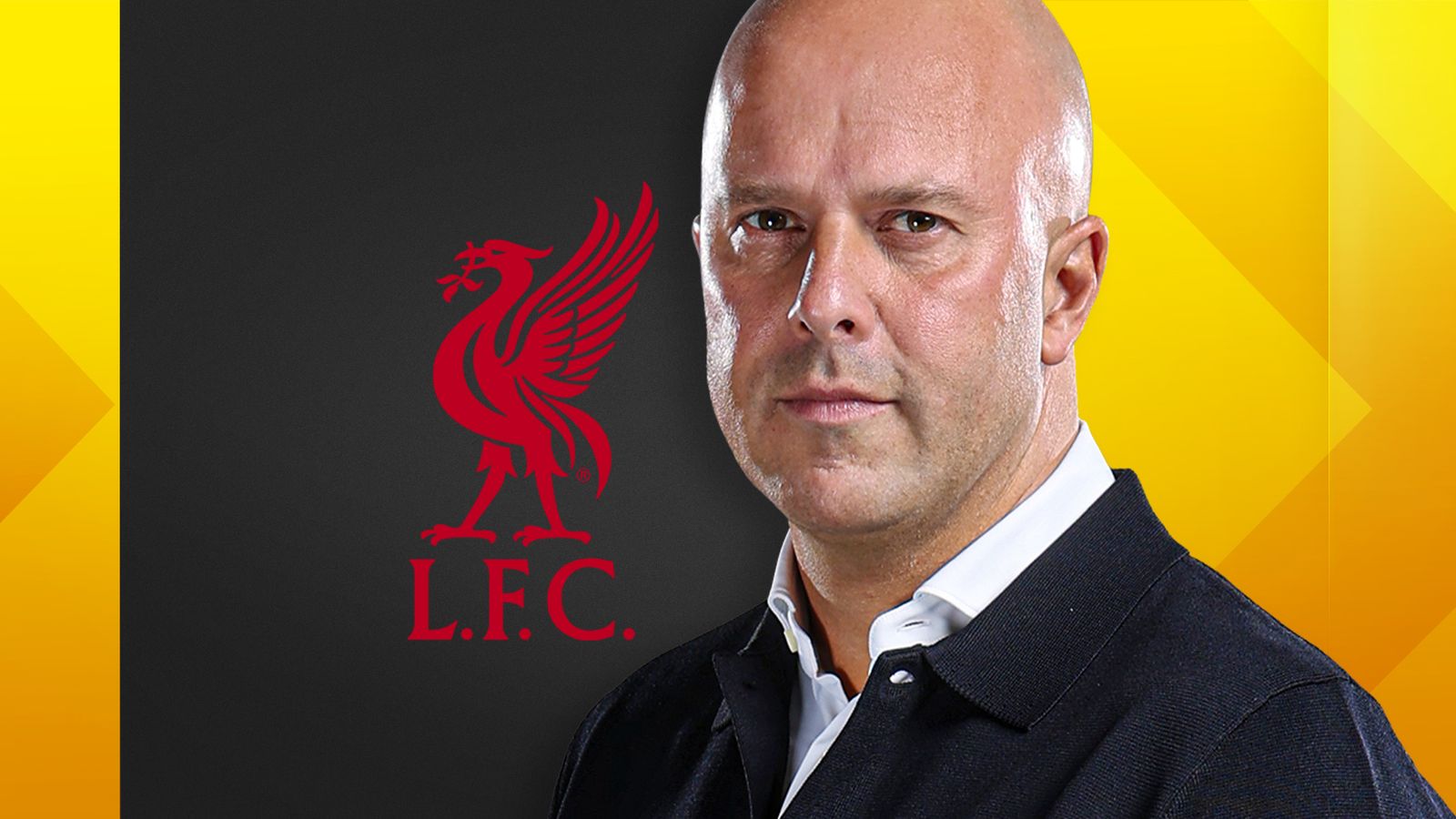
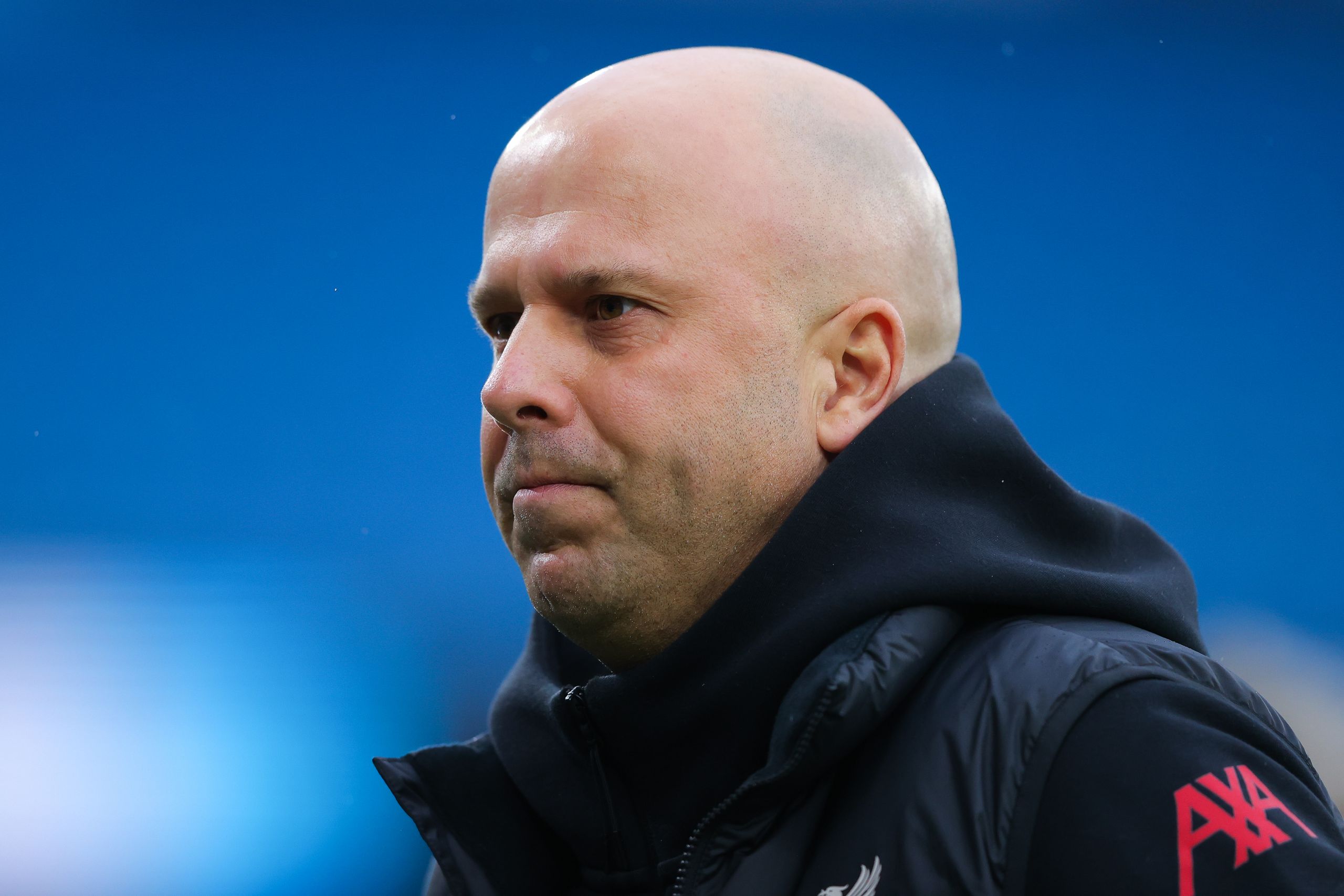
The club has not set a formal return date, but hamstring strains typically carry a minimum two-week recovery track. This timeline places his availability for the upcoming Champions League semi-final leg on April 28 in serious jeopardy. Arne Slot faces a tactical headache with fewer than three days to restructure his attack before the trip to face European opposition.
Tactical ripple effects of the Salah absence
Salah has served as the fulcrum of Liverpool’s attacking output this season. His removal forces Slot to rotate personnel in a high-stakes window. Without him, the team loses the ability to stretch defensive lines horizontally, as backup wide options lack his efficiency in one-on-one situations. The drop-off in output during the final twenty minutes against Palace was stark.
As Sky Sports reported, the win moves the club into the top four, providing a narrow buffer in the race for continental qualification. However, fighting on two fronts with a diminished squad tests the depth of the bench. If Salah requires more than fourteen days, he will also miss the return leg on May 5.
Historical precedent and risk management
Soft tissue injuries at this stage of the campaign are rarely isolated incidents. Liverpool’s schedule has been dense, and the physical toll on frontline players is becoming visible. Previous seasons have shown that rushing a return from hamstring concerns often leads to secondary pulls or recurring setbacks. Slot has historically deferred to the medical staff on these matters rather than risking long-term stability for short-term gain.
The club must now navigate the next ten days without their primary goal threat. Relying on squad players to deliver during high-pressure European fixtures is a significant gamble. Whether they can maintain this momentum while shuffling the deck remains the primary question for fans and analysts alike.
The data suggests that Liverpool’s conversion rate drops by roughly eleven percent when the starting trio is disrupted. Maintaining offensive fluidity without the team's top scorer requires a shift in how they transition from the middle third. Opponents will likely force the build-up wide, expecting less clinical delivery into the box. Managing this period will characterize the final month of the campaign for the Merseyside squad.
Read Next
- Liverpool's title charge hits a wall as Hugo Ekitike is ruled out
- Liverpool chasing defensive reinforcements before the summer window opens
- Top 10: The defining moments of the 2025/26 football season
- Freddie Woodman at Anfield is the beautiful chaos we did not ask for
- 🇪🇬 Egypt World Cup 2026 — Salah's Last Dance