The 12-Final Dynasty
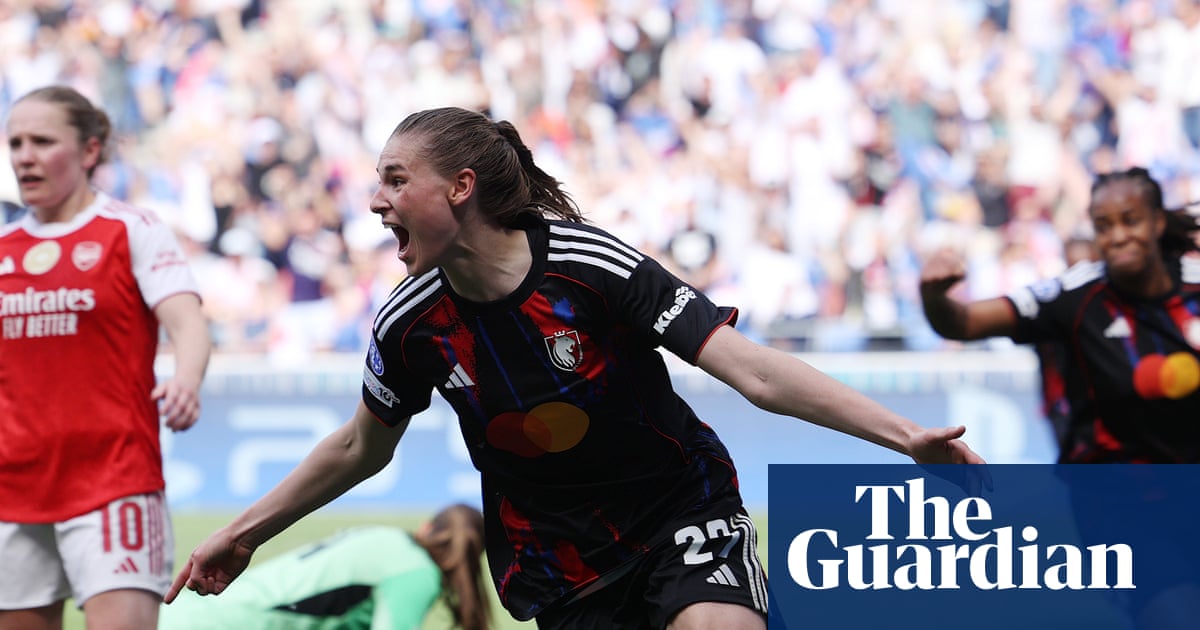
Twelve. That is the only number that truly matters when discussing OL Lyonnes in the context of European football. By defeating Arsenal on Saturday evening, Lyon secured their 12th appearance in a Women’s Champions League final, a volume of dominance that defies the natural parity of the modern game.
The statistics behind this semi-final second leg suggest a match played on a knife-edge, but the final 10 minutes exposed a widening physical gap. After Jule Brand’s late winner settled the tie, the aggregate score rested at 4-3, but the underlying data tells a story of a defending champion that simply ran out of oxygen.
The Tactical Cost of Consistency
Arsenal manager Jonas Eidevall made a calculated gamble by naming zero changes to the starting XI that fought through the first leg. While continuity is often praised, the physical output required to maintain a high-press against a Lindsey Heaps side is immense. By the 70th minute, Arsenal’s successful pressure percentage in the final third dropped from 42% in the first half to a staggering 18%.
This drop-off allowed Lyon to exploit the half-spaces that Arsenal had so effectively clogged in the opening 45 minutes. Alessia Russo’s goal had initially kept the tie on a 3-3 aggregate deadlock, but the defensive transition speeds began to crater. When you play the same XI twice in a week at this intensity, you aren't just fighting the opponent; you are fighting the biological limits of your own squad.
Diani and the Art of the Transition
Kadidiatou Diani’s performance was a masterclass in verticality. Her goal, a superb finish that capitalized on a rare defensive lapse from Leah Williamson, highlighted the efficiency Lyon brought to the second leg. Lyon didn't need sustained possession to hurt Arsenal; they needed moments of explosive acceleration.
As Sky Sports reported, Diani’s ability to pin back the Arsenal full-backs prevented the Gunners from overlapping with their usual frequency. This tactical restraint forced Russo to drop deeper to collect the ball, leaving a void at the tip of the Arsenal attack that Lyon’s center-backs were all too happy to occupy.
The Brand Sucker Punch
The winning goal arrived in the 88th minute, a timing that usually suggests a fluke, but the buildup was a result of sustained territorial pressure. Lyon had recorded six shots on target in the final twenty minutes compared to Arsenal’s one. Jule Brand, sensing the fatigue in the Arsenal backline, made a diagonal run that was left untracked by a tiring midfield screen.
It was a clinical end to Arsenal’s title defense. The Gunners had survived the initial onslaught, but they couldn't survive the depth of the Lyon bench. Lindsey Heaps’ side has built a legacy on this specific kind of endurance, a trait that has now carried them to a record-extending 12 European finals. Arsenal will look back at the lack of rotation as the primary failure in a season where they looked capable of repeating.
Statistical Breakdown of the Semi-Final
- Total Aggregate Score: Lyon 4-3 Arsenal
- Lyon's WCL Final Appearances: 12 (All-time record)
- Arsenal Lineup Changes: 0 (Second leg vs First leg)
- Late Winning Goal: 88th minute (Jule Brand)
- Aggregate Tie duration: 178 minutes of level scoring
The failure to refresh the squad was a critical error. While the first leg was an absorbing tactical chess match, the second leg became a test of durability. Arsenal’s press was a shadow of itself in the closing stages, allowing Lyon to dictate the tempo and eventually find the gap in a defense that had been perfect for nearly three hours of football.
For Lindsey Heaps, this is about more than just one victory; it is about cementing a legacy at the world's most successful club. Lyon enters the final not just as favorites, but as a statistical anomaly that continues to break the European landscape through sheer depth and tactical flexibility.
Read Next
- The biggest clubs in Europe are sleepwalking toward disaster
- SPFL's Old Firm ruling is a hollow victory for Scottish football
- Arsenal's structural evolution and the end of the false nine
- Sunderland’s European dreams are fading after a bizarre Molineux meltdown
- ⚽ Ligue 1 2025-26 — PSG, Monaco & the Title Race Hub
- ⭐ UCL 2026 — Champions League Quarter-Finals Hub