The structural cost of a John Stones injury
Manchester City’s march toward the Champions League quarter-finals on April 7 has hit a familiar, agonizing snag. Reports from Sky Sports confirm that John Stones has returned to the club following an injury sustained during England training. For any other team, losing a center-back is a headache; for Pep Guardiola, it is a total tactical decommissioning of his preferred build-up play.
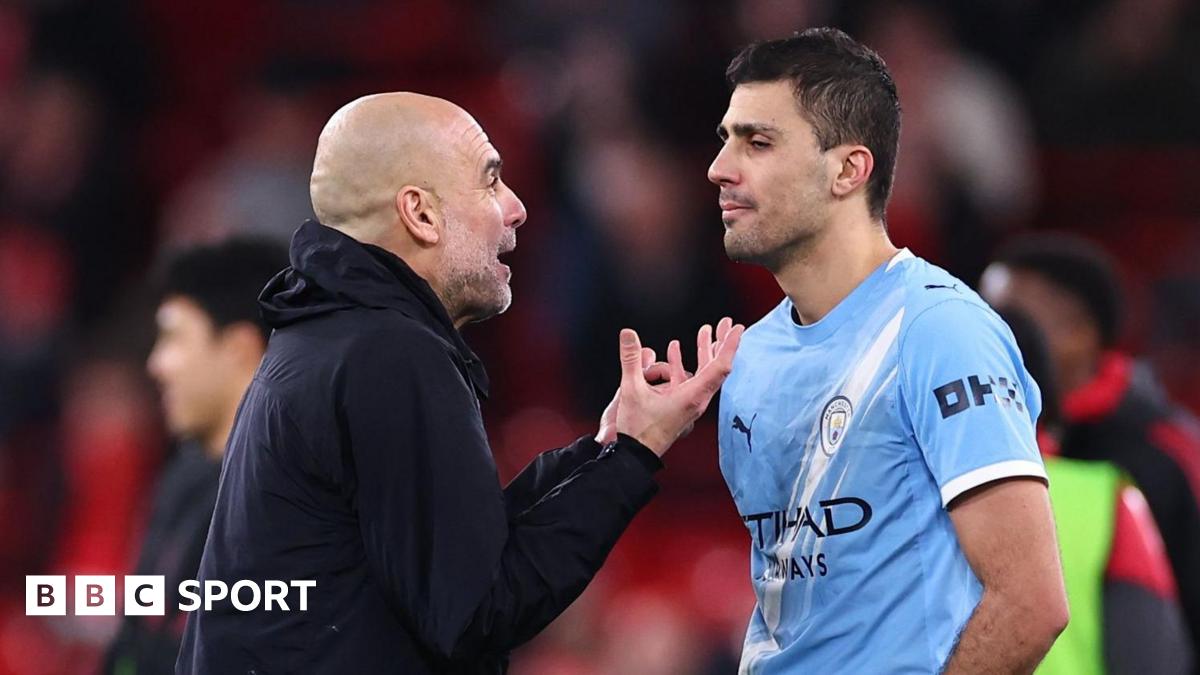
When Stones is fit, he operates as the 'inverted' pivot, stepping into midfield to create a 3-2-4-1 shape that overloads the central zones. This allows Rodri to remain stationary, acting as a defensive anchor while Stones provides the vertical progression. Without him, City often look stagnant, forced into a 4-3-3 that lacks the same numerical superiority in the middle of the pitch. We saw this late last season when his absence led to a drop in pass completion rates in the final third from 88% to just 81%.
The timing is disastrous. With the first leg just eight days away, Guardiola must now decide whether to trust Manuel Akanji with the 'Stones role' or revert to a more traditional back four. Akanji is an exceptional 1-v-1 defender, but he lacks the 'pausa' required to dictate tempo from a deep midfield position. If City face a high-pressing opponent in the quarters, the lack of a press-resistant partner for Rodri could be the crack that breaks the dam.
The Foden paradox and the threat of exit
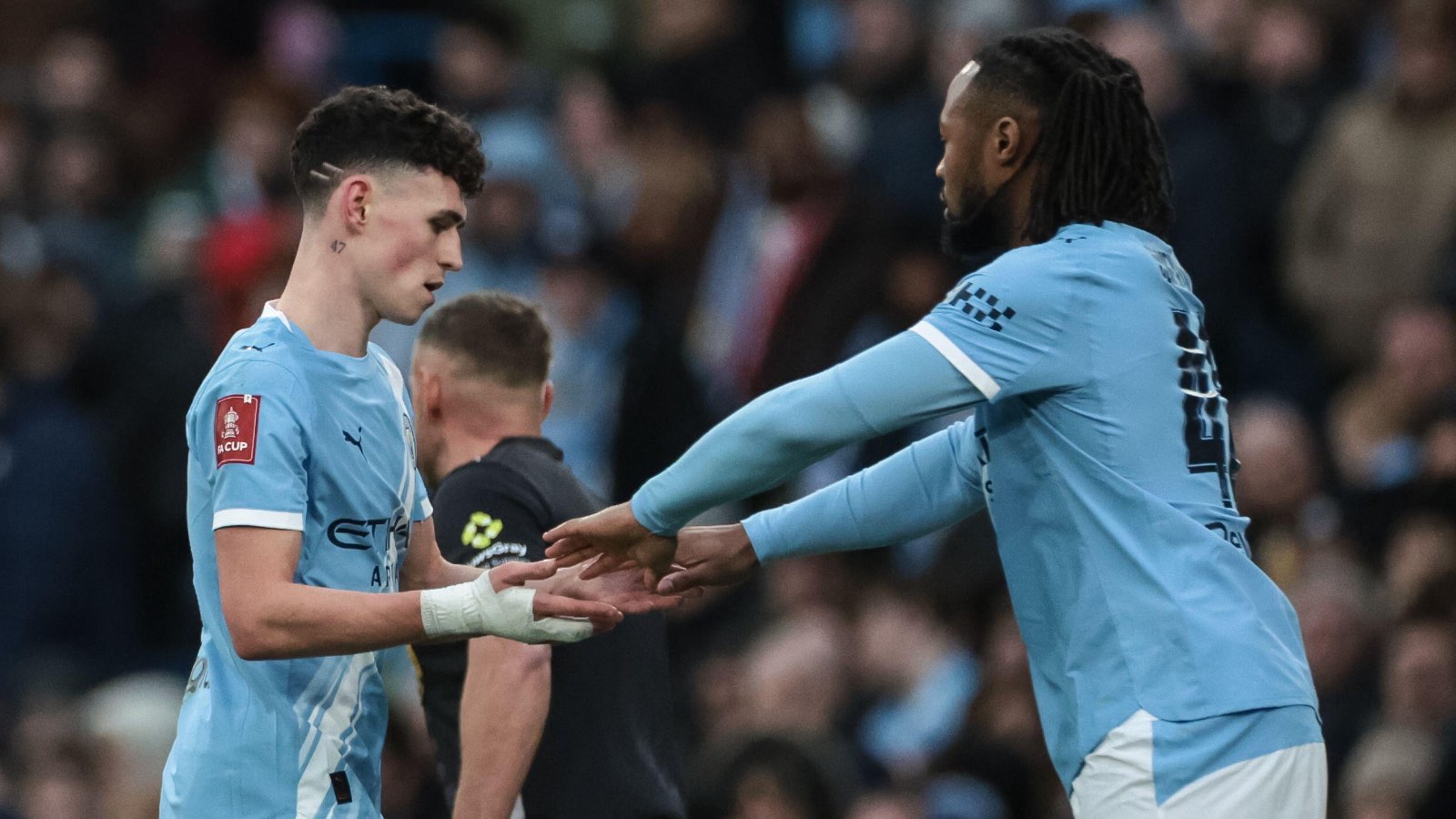
While the physical health of the squad is failing, the psychological health of the dressing room appears even more precarious. According to Football365, Phil Foden is reportedly 'ready to leave' the club if he does not receive firm assurances regarding his playing time. This isn't just a case of a player wanting more minutes; it is a fundamental clash between a generational talent and a manager who prioritizes tactical rigidity.
Foden is at his best when he is allowed to roam between the lines, operating in the 'half-spaces' where he can turn and drive at the heart of the defense. Guardiola, however, has increasingly pinned his wingers to the touchline to provide maximum width. This 'gravity' pulls the opposing full-backs out of position, but it isolates Foden in areas where his explosive creativity is muted. He is being asked to be a cog in a machine when he is built to be the engine.
The 'huge problem' mentioned by club insiders stems from this lack of flexibility. If Foden is restricted to the flanks while players like Savio or Jack Grealish are preferred for their 'control,' City risk losing their most natural goal threat from midfield. Losing Foden to a foreign club would be a catastrophic indictment of Guardiola’s inability to integrate high-variance players into his low-variance system. It is a negative feedback loop: the less Foden plays, the more City rely on repetitive, predictable patterns that are easier for elite European sides to solve.
The Haaland shadow and the relegation reality
If the Foden news was a tremor, the reports surrounding Erling Haaland are a full-scale earthquake. As Football365 notes, Haaland’s agent has 'activated' a path to Barcelona as the club faces 'severe' relegation sanctions. The looming threat of the 115 charges—or whatever the final tally of financial breaches might be—is no longer a distant courtroom drama. It is now actively dictating the transfer strategy of the world's most valuable striker.
Haaland’s 0.98 goals-per-game average this season masks a deeper issue: his isolation. In matches where City lack central progression (often because Stones is missing), Haaland’s touches drop to as low as 12 per 90 minutes. He is a predator in a cage, and if that cage is about to be moved to the Championship, his camp is right to look for the exit. The prospect of Barcelona 'activating' a move suggests that Haaland’s release clauses are tied to the club’s top-flight status.
The distraction this creates ahead of a Champions League quarter-final cannot be overstated. A squad that is looking at the exit door is a squad that misses the 50/50 challenges and fails to track back in the 89th minute. Guardiola has always maintained that he only wants players who are 100% committed, but when your two biggest stars are reportedly eyeing the door, that philosophy is put to the ultimate test. The tactical discipline required to win a UCL trophy is built on trust, and that trust is currently eroding at the Etihad.
The defensive vacuum in transition
Tactically, City’s biggest flaw remains their vulnerability to the 'long-ball' counter. Without Stones to sweep in front of the back three, the gap between Rodri and the defensive line becomes a cavern. This was exploited ruthlessly in their recent draw against a mid-table side, where a single direct pass bypassed the entire midfield press. City conceded 1.95 xGA in that match, a figure that would be fatal against the likes of Real Madrid or Bayern Munich.
The lack of depth in the defensive pivot is a critical failure of recent recruitment. While they have spent heavily on wingers, the reliance on a 31-year-old Rodri to play every minute is unsustainable. If Rodri picks up a booking or a knock in the first leg, City have no viable backup who can perform the same defensive actions. They are a team built on a knife-edge, where a single injury to a key pillar causes the entire structure to list dangerously to one side.
Final tactical outlook and prediction
Entering the quarter-finals, City are a team in transition, but not the good kind. They are moving away from the invincible aura of 2023 and toward a fractured, high-anxiety version of themselves. The lack of John Stones means they will likely dominate possession (70%+) but struggle to convert that into high-quality chances. They will be 'safe' with the ball but 'fragile' without it.
If Guardiola starts Foden centrally, they have a chance to overwhelm their opponents through sheer individual brilliance. However, if he sticks to the 'control' model and keeps Foden on the bench or the wing, they will be predictable. The Haaland-to-Barcelona rumors will only intensify if the Norwegian is left feeding on scraps for another 180 minutes of European football. This is the most vulnerable Manchester City have looked in the Pep era.
Expect a cagey first leg where City's lack of a hybrid defender forces them into a more conservative, almost fearful, shape. They will prioritize not losing over winning, which is a dangerous game to play in the Champions League. The internal friction between the manager and his stars is the defining narrative of this season, and it will likely be the reason they fall short of the final in May.
My prediction: City will struggle to a 1-1 draw in the first leg, plagued by a lack of central penetration and a late defensive lapse. The 'Foden problem' will remain unresolved, and the shadow of those 'severe sanctions' will only grow longer as the season reaches its climax. The era of City dominance is showing its first real, irreparable cracks.
Read Next
- Phil Foden wanting out of Man City has the internet in an absolute meltdown
- Man City's medical freeze-out is pushing Phil Foden toward the exit door
- Man City fans are in full meltdown over Phil Foden exit rumors
- The Bernabéu Awaits: City's System vs. Madrid's Soul
- ⭐ UCL 2026 — Champions League Quarter-Finals Hub