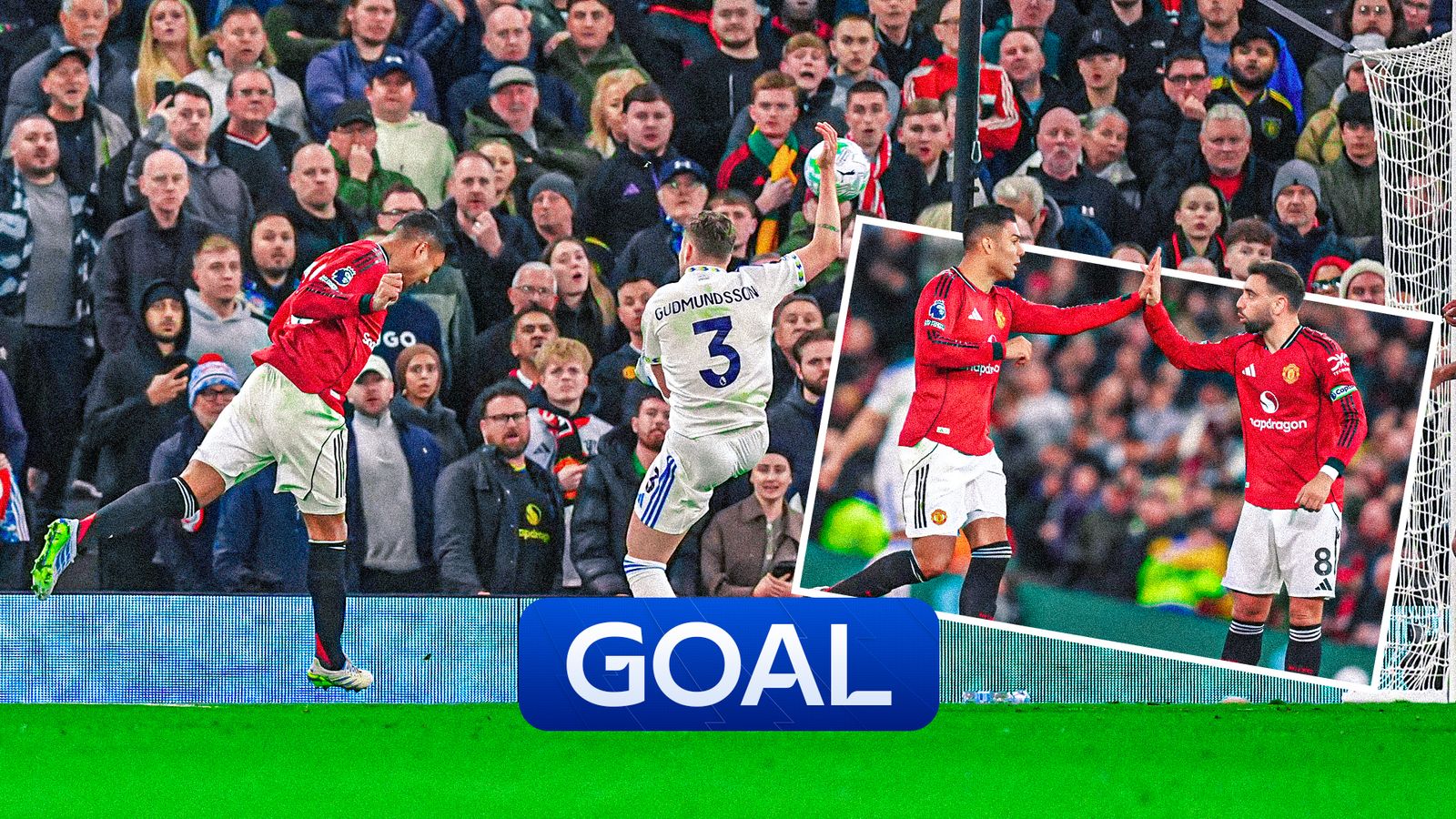
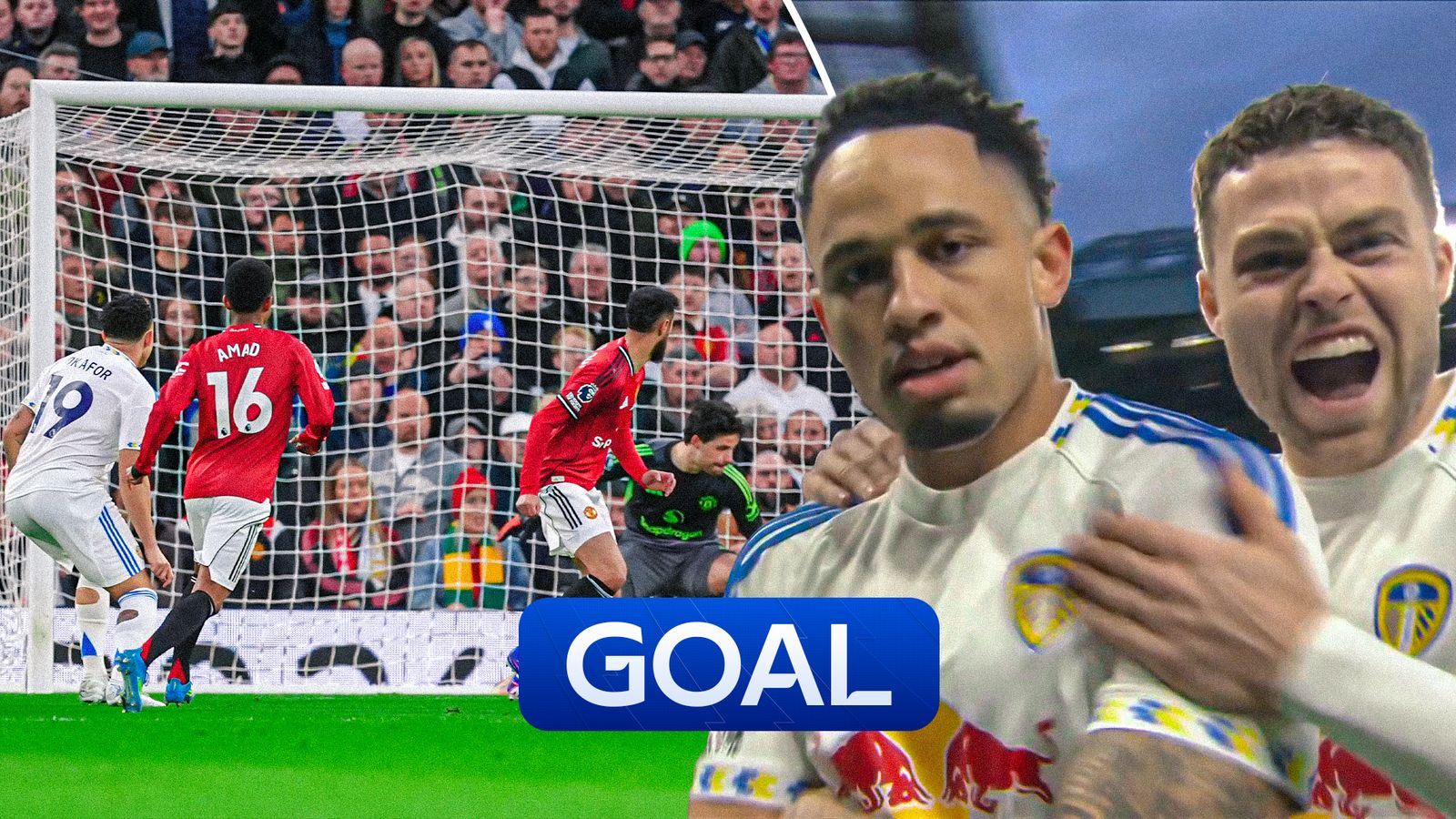
A rivalry renewed with everything on the line
There are very few fixtures in the English calendar that carry the raw, unfiltered animosity of Manchester United against Leeds United. Throw in a desperate scramble for Champions League qualification as we head into the back half of April, and the stakes multiply exponentially.
As we sit here on April 12, the table makes for anxious reading. Manchester United are clinging to their top-four ambitions, knowing that the chasing pack is breathing directly down their necks. Dropped points now aren't just an inconvenience; they are a structural disaster. The financial implications of missing out on Europe's elite competition loom large over the boardroom, but down on the grass, the immediate concern is purely tactical.
According to recent reports from The Mirror, the noise around the club is intensifying, with Michael Carrick receiving direct messages from Marcus Rashford amid ongoing discussions over player valuations. But external noise doesn't win football matches on a Sunday afternoon. Systems do. And right now, the system is about to be violently tested against one of the most chaotic setups in the division.
The tactical headache of Elland Road
Going to West Yorkshire is never a serene experience for anyone associated with the red half of Manchester. The pitch feels smaller. The crowd is suffocating, turning every throw-in into a partisan event. But more importantly, the tactical demands shift dramatically from what you face at Old Trafford. You cannot simply play through Leeds at a walking pace.
They press with a disorganized aggression that actually functions as a cohesive unit. It's not the coordinated, synchronized pressing traps of a Pep Guardiola side, where every angle is mathematically cut off. It's a sheer volume game. They flood the central channels, daring you to play out from the back, and the moment a midfielder receives the ball facing his own goal, two white shirts are snapping at his ankles.
This is precisely where Manchester United have looked incredibly vulnerable this season. Their build-up play in the first phase is often ponderous, relying too heavily on center-backs taking three touches when one is required. When the holding midfielders are asked to pivot and play forward under duress, the pass completion rate plummets. It is a fatal flaw that opposing analysts have undoubtedly circled in red ink.
Rashford's role in the transition
If there is a reliable blueprint to dismantle this aggressive Leeds block, it lies almost entirely in the transitional phase. When a high press fails, it leaves massive, exploitable acreage behind the defensive line. This is where Marcus Rashford has to be the decisive difference-maker, utilizing his pace to stretch the game vertically.
Rashford cannot afford to drop deep and demand the ball to his feet in this fixture. Every time he does that, he plays directly into the pressing triggers of the opposition midfield. He invites the contact that Leeds crave. Instead, he needs to play on the absolute shoulder of the last defender. He needs to pin their backline ten yards deeper than they want to be.
We saw this exact pattern fail miserably just three weeks ago against a similarly aggressive opponent. The wingers tucked inside looking for combinations, congesting the midfield and allowing the opposition fullbacks to push dangerously high. Against Leeds, chalk on the boots is mandatory. Width and depth are your only escape routes. If Rashford isolates the right-back in a foot race, the system works. If he tries to play as a false ten, the entire attacking structure collapses.
The midfield bypass problem
It's impossible to ignore the glaring structural weakness in the middle of the park. For all the talk of securing a Champions League place, the engine room rarely looks Champions League caliber for a full ninety minutes. The lack of a true controller dictates the chaotic nature of their games.
The gaps between the defensive line and the midfield pivot are often staggering, sometimes spanning twenty yards of empty grass. When an attack breaks down in the final third, the counter-pressing structure is virtually non-existent. The first line of pressure gets bypassed with a single vertical pass, leaving the center-backs completely exposed in 2-on-2 or 3-on-3 situations.
This isn't just a personnel issue; it's a fundamental coaching failure. The distances between units are simply too large to sustain continuous pressure. You can get away with that against teams sitting in a deep, passive low block. You absolutely cannot get away with it at Elland Road. Leeds will transition through those empty spaces in a matter of seconds.
If the holding midfielders don't cheat their positioning five yards deeper than usual to sweep up second balls, it is going to be a very long, grueling afternoon for the visitors. The ball will spend an inordinate amount of time in the air, and winning those knockdowns is non-negotiable.
The Carrick influence and game management
The reported dynamic between Michael Carrick and Rashford is fascinating context for a squad that often looks devoid of on-pitch leadership. Carrick, a player whose entire game was built on scanning, spatial awareness, and tempo dictation, understands exactly what is missing from this current iteration of Manchester United.
During his playing days, he knew when to kill a game with thirty seconds of sideways possession and when to break lines with a single, incisive pass. That intelligence, that inherent feel for the rhythm of a match, is glaringly absent right now. The modern game demands that level of tactical flexibility, yet too often, the team looks rigidly tied to a single, easily disrupted game plan.
If Carrick's voice holds weight in the dressing room or the technical area, his primary instruction must be about game management. You don't beat Leeds by matching their chaos. You beat them by starving them of the chaotic transitions they feed on. You play the extra pass. You draw the press deep into your own half, and then you switch the play to the isolated winger. It sounds fundamental, but executing it under immense physical pressure is the dividing line between top-four sides and the rest of the pack.
The psychological weight of the run-in
April is when legs get heavy and tactical instructions start to blur under the weight of fatigue. The schedule offers no quarter. With the Champions League semi-finals looming later this month for Europe's elite, the domestic scrap for those coveted spots next season is reaching a boiling point. Points dropped here are notoriously difficult to recover, and the psychological damage of a defeat to a bitter rival can derail a campaign completely.
We are watching a squad trying to forcefully prove it belongs in the highest tier of European football, while simultaneously displaying the erratic habits of a mid-table side. The duality is maddening to watch. They can look brilliant, fluid, and untouchable for twenty minutes, and then structurally inept for the next forty.
Securing a Champions League place requires a baseline of consistency and pragmatism that has frankly been absent. They need to show a cynical edge this weekend. Take the professional foul in transition when caught out of shape. Slow the restart down to a crawl. Frustrate the crowd. Manage the referee. It is the ugly side of the game, but it is entirely necessary when the margins between success and failure are this razor-thin.
Defensive vulnerability vs. Attacking output
The fullbacks will be the unsung variable in this equation. Leeds love to overload the flanks, creating numerical superiority out wide before driving low crosses into the box. If the Manchester United wingers fail to track back with genuine intent, the defensive line will be pulled out of shape instantly.
We have seen an over-reliance on individual brilliance to bail out poor structural defending all season. A wonder strike from outside the box or a spectacular double save can change a result, but it is not a sustainable methodology for a team with top-four aspirations. The defense needs to operate as a cohesive unit, stepping up together to catch runners offside and dropping as one when the press is broken.
The irony is that while the defense looks fragile, the attacking output remains potent when they are afforded space. It sets up a fascinating tactical collision. One team wants to drag the opponent into a street fight, while the other desperately needs to turn it into a controlled, sterile chess match.
The final verdict
Tactically, the opening exchanges of this matchup heavily favor the chaos of the home side. They have the pressing structure and the crowd behind them to force high turnovers against a build-up system that has consistently proven prone to unforced errors.
However, the sheer pace in behind offers a permanent out-ball for the visitors. If they can survive the opening twenty minutes without conceding—weathering the inevitable early storm—the spaces will inevitably open up as legs tire and tactical discipline begins to wane.
It won't be pretty. Matches at Elland Road rarely are. But I expect the individual quality in the final third to paper over the systemic cracks one more time. The defensive frailties will be exposed, probably resulting in a sloppy goal conceded from a set-piece or a poorly defended transition, but the attacking transitions will ultimately prove to be just lethal enough.
Prediction: A chaotic, disjointed 2-1 away victory that keeps the top-four dream alive, while asking just as many questions as it answers about their long-term viability.
Read Next
- Man United finally put a price tag on Marcus Rashford
- Michael Carrick has found the balance United spent a decade chasing
- Brentford’s reliance on Igor Thiago is becoming a structural problem
- Arsenal are once again caught in their own heads during the run-in
- 🏟 EFL Championship 2025-26 — Promotion Race & Play-Off Final Hub
- ⭐ UCL 2026 — Champions League Quarter-Finals Hub