The shadow of Old Trafford looms over the return fixture
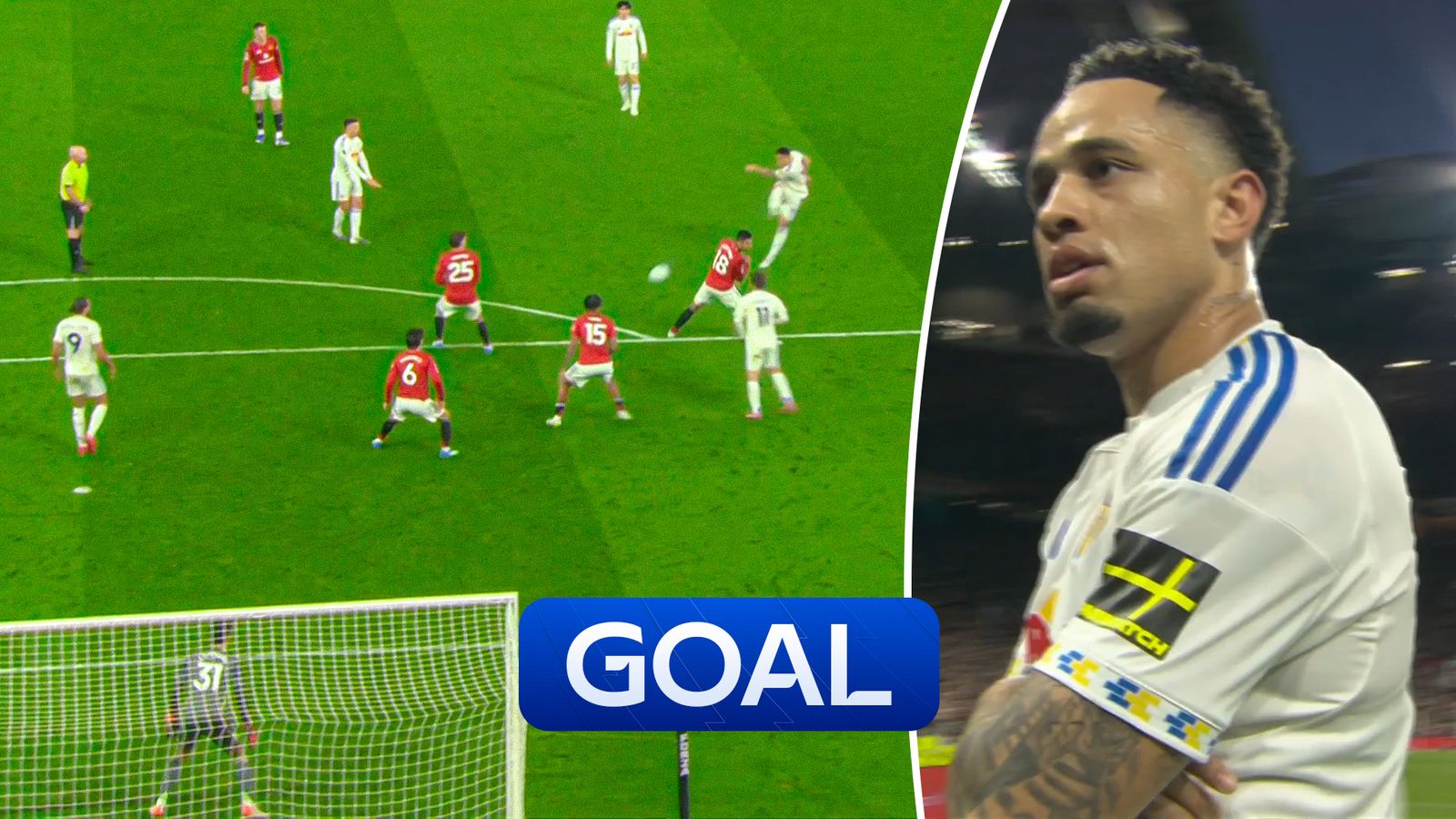
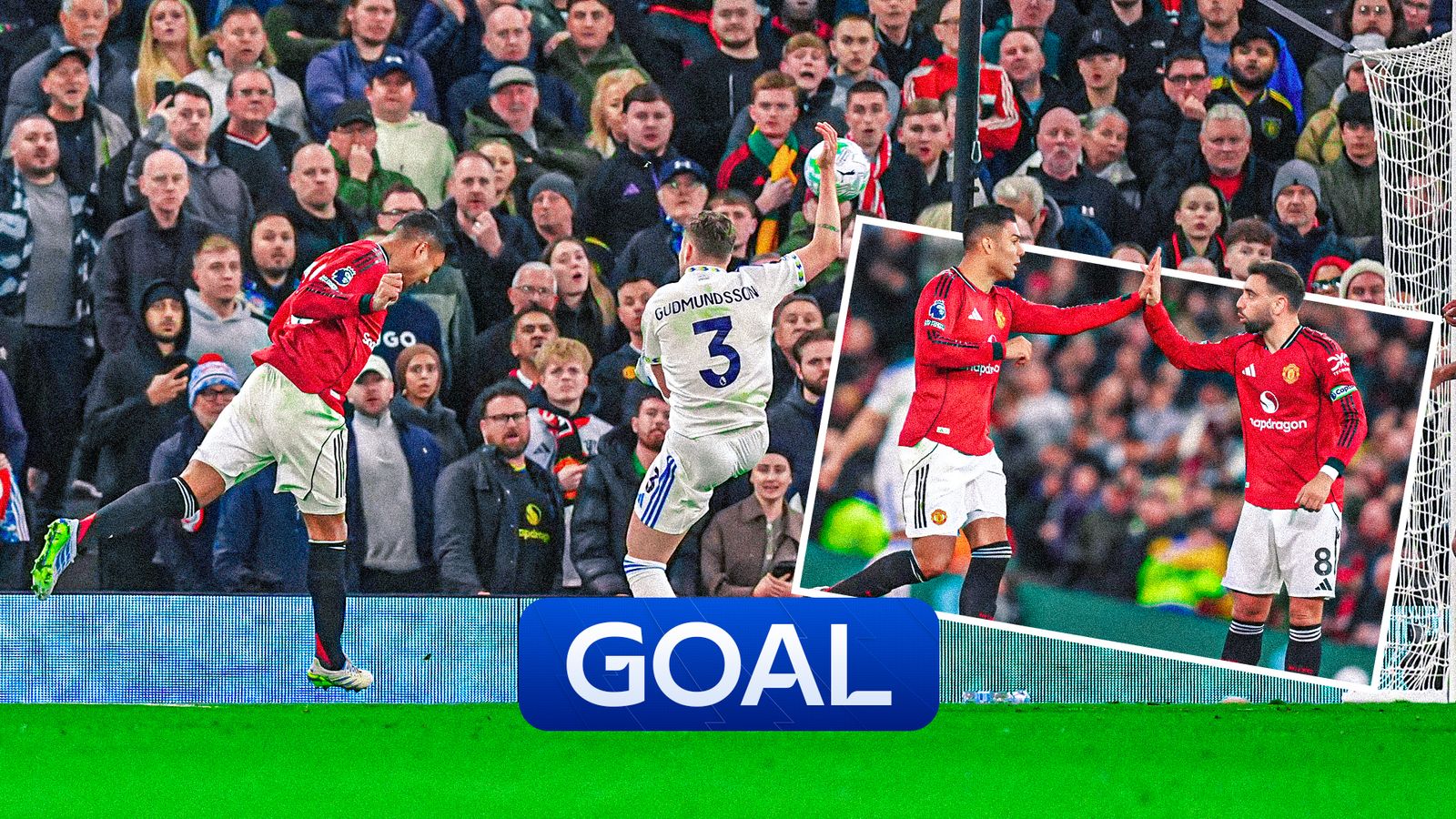
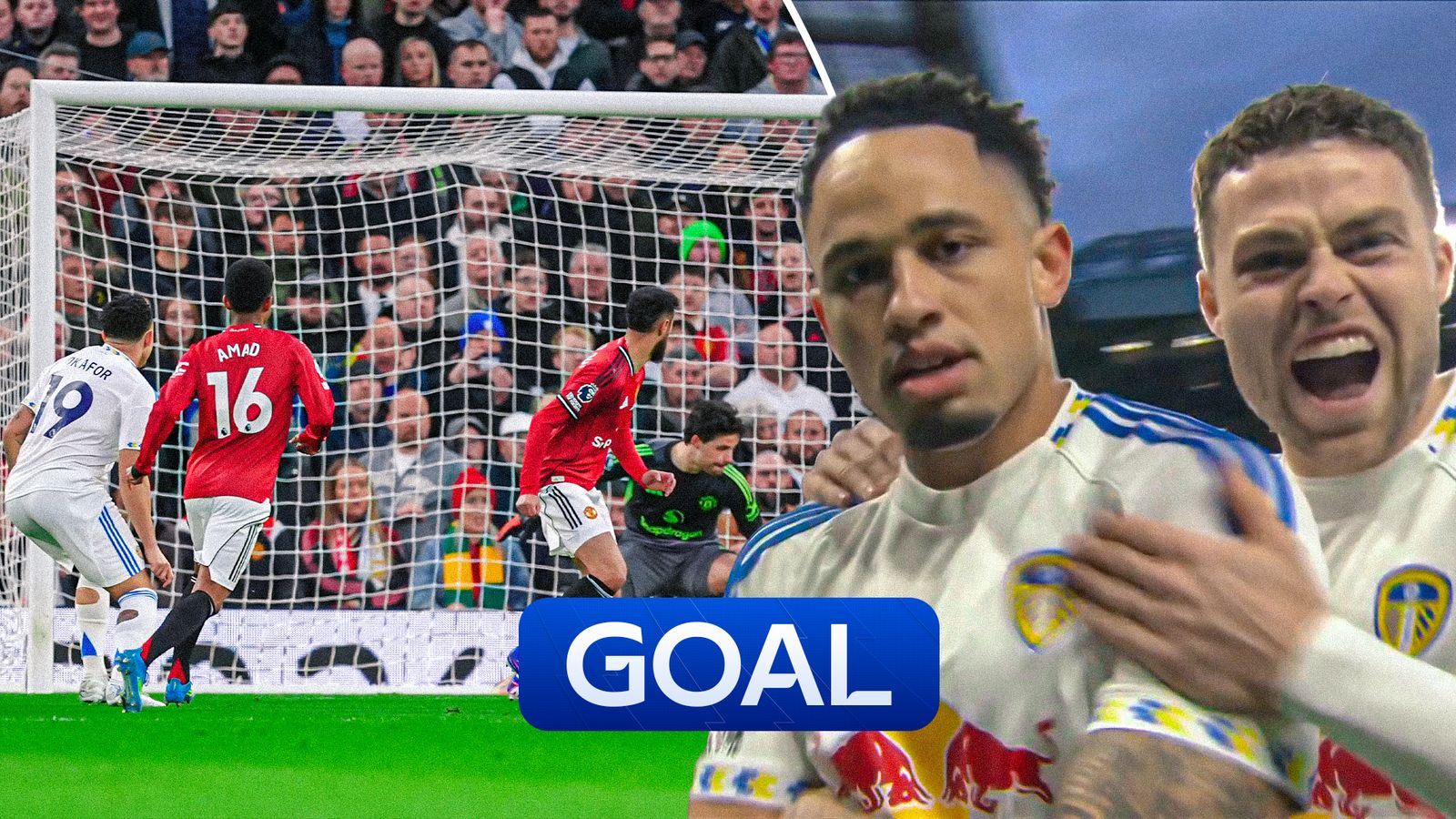
Football has a funny way of stripping back the veneer of progress. For Manchester United, the progress they felt they’d made over the spring months was erased in precisely three hundred seconds last Saturday. As Sky Sports captured in their highlights, Noah Okafor’s goal wasn't just a moment of individual brilliance; it was a systemic failure of the United defensive structure that has become all too familiar this season.
Coming into the second leg of this high-stakes encounter, the dynamic has shifted entirely. Leeds United aren't just surviving; they are hunting. The 5th minute strike at Old Trafford proved that the Yorkshire side has finally moved past the frantic, often chaotic pressing of the previous era into something far more surgical. They didn't just run more than United; they ran smarter.
United now travel to Elland Road knowing that their season is effectively on the line. The atmosphere will be hostile, the pitch will feel smaller, and the tactical questions that went unanswered last week will be asked again, louder and with more frequency. If the United coaching staff cannot find a way to plug the gaps in their transition defense, this could be a long night for the traveling support.
The Okafor problem and the failure of the United pivot
Exploiting the lack of communication
The beauty of Okafor’s movement in the first leg lay in its simplicity. He didn't drop deep to link play; he played on the shoulder of the last man, dragging the United center-backs into areas they hate to defend. By staying high and wide during the initial build-up, he forced a disconnect between the United full-backs and their central partners. When the ball eventually broke into the half-space, the gap was wide enough to drive a bus through.
United’s midfield pivot—so often the focal point of their internal criticism—was nonexistent during that opening sequence. They were caught in the dreaded 'no man’s land,' neither pressing the ball-carrier nor shielding the back four. It resulted in a staggering 0.14 xG for the opening goal, a figure that actually undersells how clean the look was for the Swiss international. If you give a striker of that caliber five yards in the box, the result is academic.
The issue for United is that they seem incapable of learning. We saw the same lack of coordination against Liverpool last month and again in the cup. There is a fundamental lack of trust in the defensive line, leading to a hesitant press that Leeds exploited with clinical efficiency. The visitors in this return leg must decide whether they are going to commit to a high line or drop deep; trying to do both is a recipe for another early exit.
The Leeds transition machine
Leeds have evolved. Under their current tactical setup, they no longer rely on 'murderball' to win matches. Instead, they use a staggered press that triggers only when the ball enters the opponent's defensive third. This preserves their energy for the final twenty minutes, an area where they used to be notoriously weak. Against United, they waited for the trigger—usually a lateral pass toward the right-back—and then swarmed.
The efficiency of their transitions is reflected in their recent stats. They are currently averaging 4.2 shots per game directly from high turnovers, the highest in the league. Noah Okafor is the beneficiary of this system, but the real work is done by the engine room. They aren't just winning the ball; they are winning it in positions where the opposition is at their most vulnerable. United’s tendency to commit both full-backs forward is exactly what Leeds are praying for.
Tactical adjustments: What must change for United
The case for a back three
It sounds like a retreat, but a switch to a back three might be the only way for United to survive the first thirty minutes at Elland Road. By adding an extra body in the central defensive zone, they can better track Okafor’s diagonal runs while allowing the wing-backs to deal with Leeds' overlapping threats. It would also provide a more stable platform for playing out from the back, something they failed to do under the intense pressure of the first leg.
The downside, of course, is the loss of a body in midfield. Against a Leeds side that plays with two 'tens' in the pockets, sacrificing a midfielder is a massive risk. But United’s current 4-3-3 is failing because the 'eights' are being bypassed too easily. A more compact 3-5-2 would force Leeds to play around the block rather than through it. It’s a defensive move, but at this point, United need to stop the bleeding before they can think about scoring.
The isolation of the United wingers
In the first leg, Alejandro Garnacho and Marcus Rashford were bystanders for long stretches. They were starved of service because the ball couldn't get past the Leeds first line of pressure. When they did get the ball, they were doubled up on immediately. Leeds’ full-backs played a conservative game, rarely venturing past the halfway line, which effectively nullified United's counter-attacking threat.
To fix this, United need to move the ball faster. Their average sequence time in the first leg was nearly 12 seconds, allowing Leeds plenty of time to reset their defensive shape. If United can't find a way to shift the point of attack in under three passes, they will find themselves running into the same white wall over and over again. The lack of variety in their attacking patterns is, frankly, embarrassing for a club of this stature.
The Elland Road factor and the weight of expectation
Let’s be honest: United players often look like they’d rather be anywhere else when the Elland Road crowd is in full voice. The intensity is different here. It’s not just noise; it’s a physical presence that seems to rattle the more 'fragile' members of the United squad. In the 2-1 loss two years ago, the body language of the United midfield told the story long before the final whistle blew.
The atmosphere at Elland Road isn't something you can prepare for on a training pitch; you either have the stomach for it or you don't.
There is also the matter of the league table. Leeds are fighting for every scrap, knowing that a win here likely secures their top-flight status for another year. United are in that awkward middle ground where they are too far from the title race but too big to accept a mid-table finish. That difference in motivation was clear in the first leg. Leeds played like their lives depended on every tackle; United played like they had a dinner reservation at 8:00 PM.
One critical observation that cannot be ignored is the decline in United’s second-half performance. They have conceded 65% of their goals this season after the 60-minute mark. This suggests a fitness issue or, more likely, a psychological collapse when things don't go their way early on. If they concede first again, the floodgates could truly open.
Final Prediction: A night of frustration for the Red Devils
Leeds are in the ascendancy. They have a clear tactical identity, a striker in Noah Okafor who is playing with maximum confidence, and a home crowd that will be demanding blood from the first whistle. United, meanwhile, look like a collection of expensive parts that don't quite fit together. The lack of a coherent plan against the high press is their Achilles' heel, and Leeds are the best in the business at exploiting it.
I expect United to start better than they did at Old Trafford, perhaps even dominating possession for the first fifteen minutes. But possession without penetration is useless. Leeds will sit in, wait for the inevitable misplaced pass in the middle of the pitch, and then break with devastating speed. The £45 million spent on defensive reinforcements in the summer has yet to yield a clean sheet in a big game, and I don't see that changing tonight.
Leeds will be happy to let United have the ball, knowing that the pressure of the occasion will eventually force a mistake. It won't be pretty, and it certainly won't be the tactical masterclass United fans are dreaming of. Instead, it will be another chapter in the decline of a giant while their oldest rivals continue their upward trajectory.
The scoreline at full time will reflect the reality of where these two clubs are right now. United are a project that has stalled; Leeds are a team on the move. I'm backing the home side to capitalize on the chaos and secure a result that will be talked about in Yorkshire for years to come. Own it: the power dynamic in the North is shifting.
Prediction: Leeds United 2-0 Manchester United
Read Next
- Leeds punish Manchester United's recurring first-half amnesia
- Bruno Fernandes' creative burden and the tactical reality of United vs Leeds
- Man United are doing it again and Leeds are loving every second of it
- Michael Carrick is the smartest tactical choice United will probably ignore
- 🏟 EFL Championship 2025-26 — Promotion Race & Play-Off Final Hub