The cost of a five-minute blackout
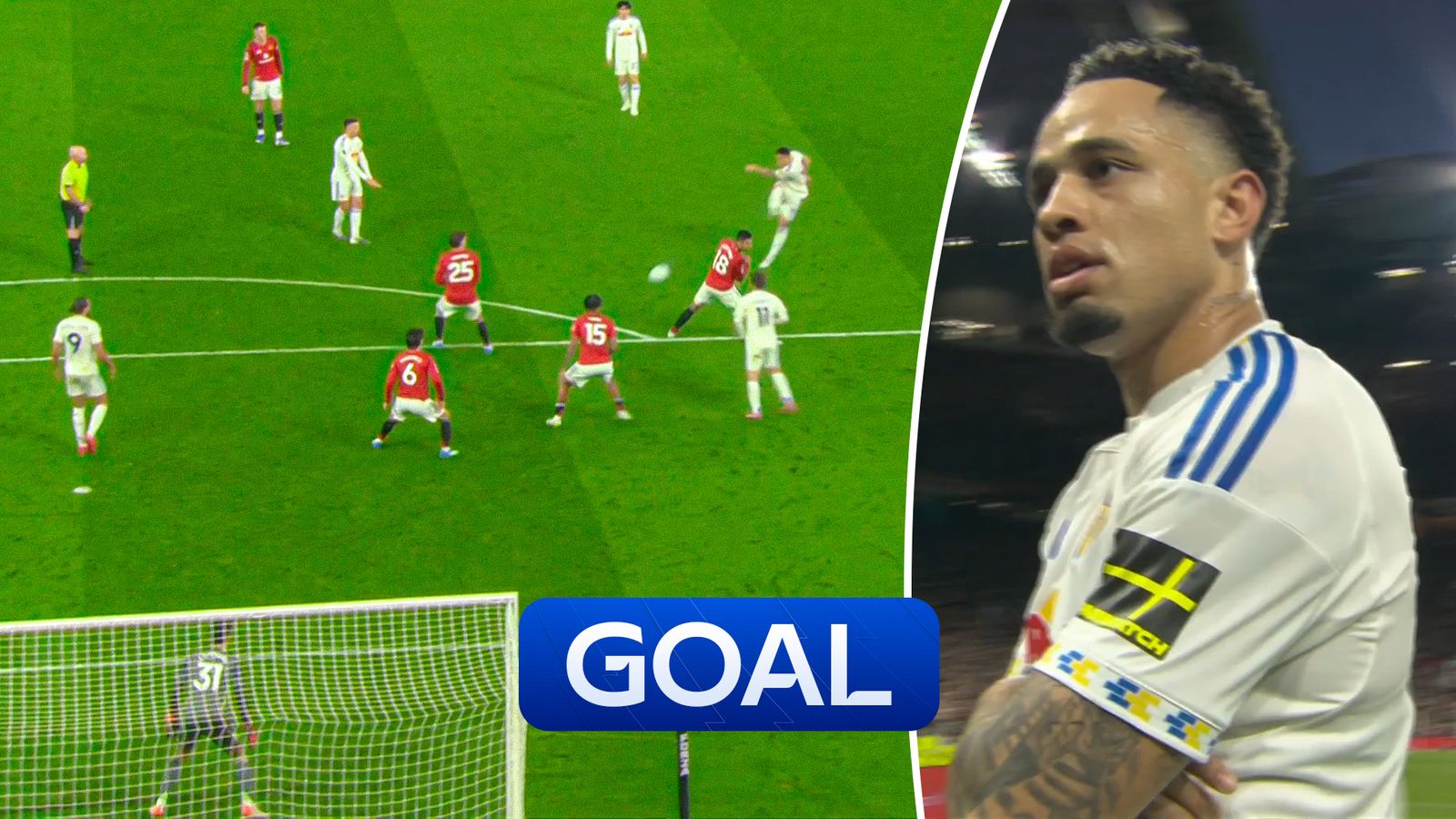
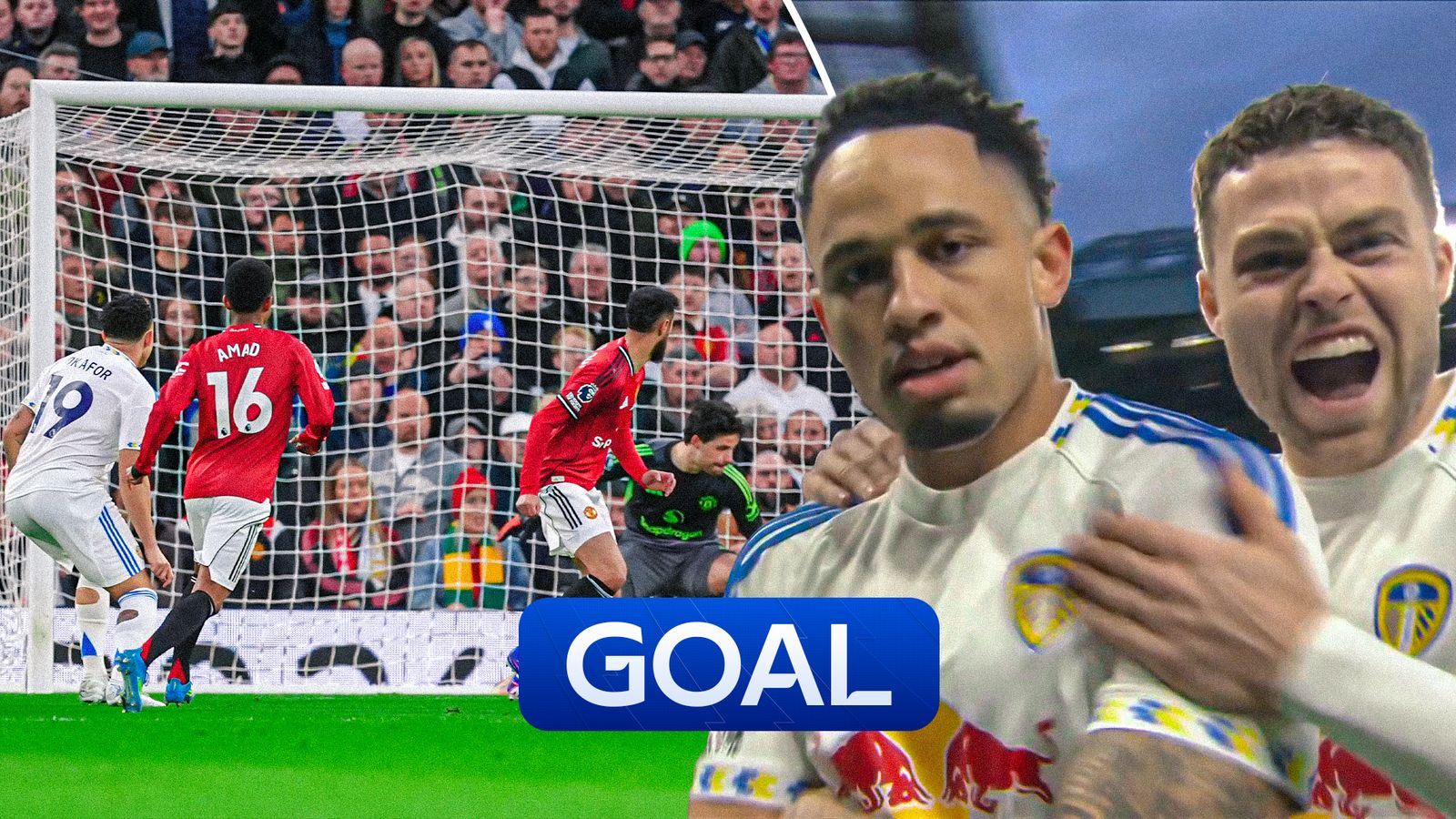
Manchester United’s defensive structure didn't just bend at Old Trafford today; it evaporated before the home crowd had even settled into their seats. Noah Okafor’s strike at the 4:42 mark represents more than just a local rivalry scoreboard update. It is the eleventh time this season that United have conceded a goal within the opening ten minutes of a Premier League fixture, a statistic that points toward a systemic failure in psychological preparation and tactical drilling.
The sequence leading to the goal was a masterclass in transitional efficiency from Leeds. After a sloppy lateral ball from the United midfield was intercepted, Leeds required only three passes to move the ball 55 yards. Okafor’s movement between the two center-backs exploited a 12-yard gap that should never exist in a settled defensive block. He finished with the clinical indifference of a striker who knew exactly where the goalkeeper would be positioned.
For United, this is a recurring nightmare that the data suggests is getting worse. In their last fifteen home games, they have conceded the opening goal on seven occasions. When you are fighting for Champions League qualification, spotting the opposition a one-goal lead before the five-minute mark is a recipe for seasonal suicide. The lack of communication in the pivot during that first transition was staggering, leaving the back four exposed to a direct vertical sprint they were never equipped to win.
Noah Okafor and the efficiency of the vertical threat
Since his arrival, Noah Okafor has transformed the Leeds frontline from a high-energy pressing unit into a surgical counter-attacking force. His individual numbers this season are an outlier in a squad that often struggles for consistency. Okafor is currently averaging 0.64 non-penalty xG per 90 minutes, placing him in the 92nd percentile for strikers in Europe’s top five leagues. He doesn't need high volume to be effective; he thrives on high-quality glimpses.
The goal today was a perfect distillation of his profile. He recorded a top speed of 34.8 km/h during the burst into the box, a velocity that Manchester United's aging defensive line simply couldn't track. Unlike many modern forwards who drift wide to find space, Okafor’s heat map shows a disciplined insistence on staying between the goalposts. This central gravity forces defenders into uncomfortable decisions, often leading to the kind of hesitation we saw in the fifth minute.
Leeds manager’s decision to start Okafor as a lone vertical outlet against a United side known for slow starts was a tactical bullseye. By keeping the Swiss international high on the shoulder of the last man, Leeds effectively bypassed the United press by simply playing over it. The ball from the wing reached Okafor's feet in less than 2.4 seconds after the initial turnover, giving the United recovery runners zero time to close the passing lanes.
The statistical breakdown of United's structural decay
To understand why Okafor was able to strike so early, we have to look at United’s 'Rest Defense' metrics. This season, United’s average defensive line height is 44.5 meters from their own goal. While this is intended to compress the pitch, their PPDA (Passes Per Defensive Action) has dropped to 14.2, indicating a passive approach to winning the ball back. They are playing a high line without the high-intensity pressure required to protect it.
- Goals conceded in the first 15 minutes: 9 (League high)
- Successful tackles in the defensive third: 42% (16th in the league)
- Points lost from winning positions: 14
- Errors leading to shots: 1.2 per game
These numbers paint a picture of a team that is technically gifted but structurally illiterate. When Leeds won the ball in the center circle, the United defensive line failed to drop, and the midfield failed to foul. It was a vacuum of responsibility. In a high-stakes environment like the War of the Roses, that kind of lethargy is punished by players of Okafor’s caliber every single time.
The most damning statistic might be the xG delta. Leeds finished the first half with an xG of 1.15 despite having only 38% possession. United, conversely, held the ball for long periods but generated only 0.42 xG, mostly through desperate long-range efforts that never troubled the keeper. Leeds weren't just winning; they were winning efficiently while United were busy passing the ball in circles that led nowhere.
A critical look at the Leeds high-wire act
While the early goal provides a cushion, it would be a mistake to ignore the fragility of the Leeds system. By committing so many bodies to the initial burst, they leave themselves vertically stretched if the opponent manages to survive the first wave. In the 22nd minute, a single long ball from United nearly caught Leeds in a three-on-two situation. They are playing a high-variance game that relies heavily on their forwards converting early chances to dictate the tempo.
If Okafor doesn't score that 5th-minute chance, the narrative of the game shifts entirely. Leeds are currently bottom of the league for 'Distance Covered' in the final thirty minutes of matches, suggesting that their high-intensity starts come at a significant physical cost. They are effectively sprinters in a marathon league. Against a better-drilled side than this current United iteration, that physical drop-off would be exploited ruthlessly in the second half.
There is also the question of squad depth. Beyond Okafor, Leeds lack a genuine goal-scoring threat who can maintain this level of clinical finishing. Their second-highest scorer has only 3 goals this season. This over-reliance on a single individual makes them predictable for any coaching staff that bothers to do their homework. Shut down the service to Okafor, and you essentially shut down the Leeds offensive engine.
The broader implications for the European race
For Manchester United, this loss is more than just a dent in their pride against a historic rival. With the UCL Quarter-Finals Leg 2 looming tomorrow for their domestic rivals, the gap in quality and focus between United and the top tier of English football is becoming an abyss. They are currently 8 points adrift of the final Champions League spot with only six games remaining. Mathematically, it’s possible; statistically, it’s a fantasy.
The board will have to look at these early-concession stats and ask hard questions about the coaching staff's ability to prepare the squad for the opening whistle. You can't blame 'bad luck' for eleven early goals in a single campaign. That is a trend. It is a signature of a team that lacks a leader on the pitch to set the intensity from the first second. Today, that leader was wearing white, and his name was Noah Okafor.
Leeds walk away from Old Trafford with three points that probably secure their Premier League status for another year. They did it by identifying a glaring weakness and striking it with maximum force. United are left to pick through the wreckage of another season where the numbers simply don't add up to the investment. 38% possession was all Leeds needed to humiliate a team that spent half a billion pounds to look this disorganized.
Read Next
- Leeds have found the blueprint to dismantle this United side
- Bruno Fernandes' creative burden and the tactical reality of United vs Leeds
- Man United are doing it again and Leeds are loving every second of it
- Michael Carrick is the smartest tactical choice United will probably ignore
- 🏟 EFL Championship 2025-26 — Promotion Race & Play-Off Final Hub