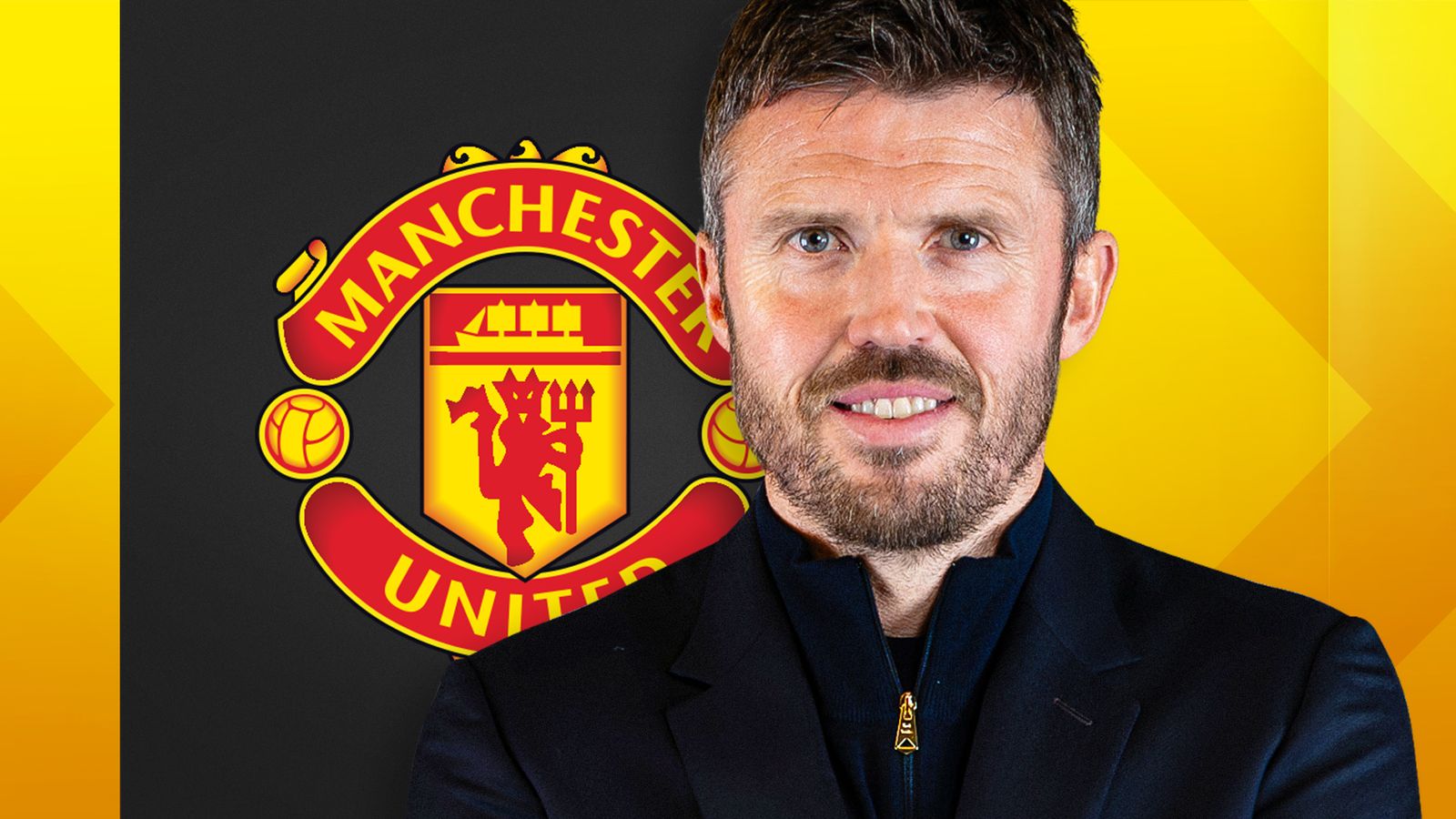
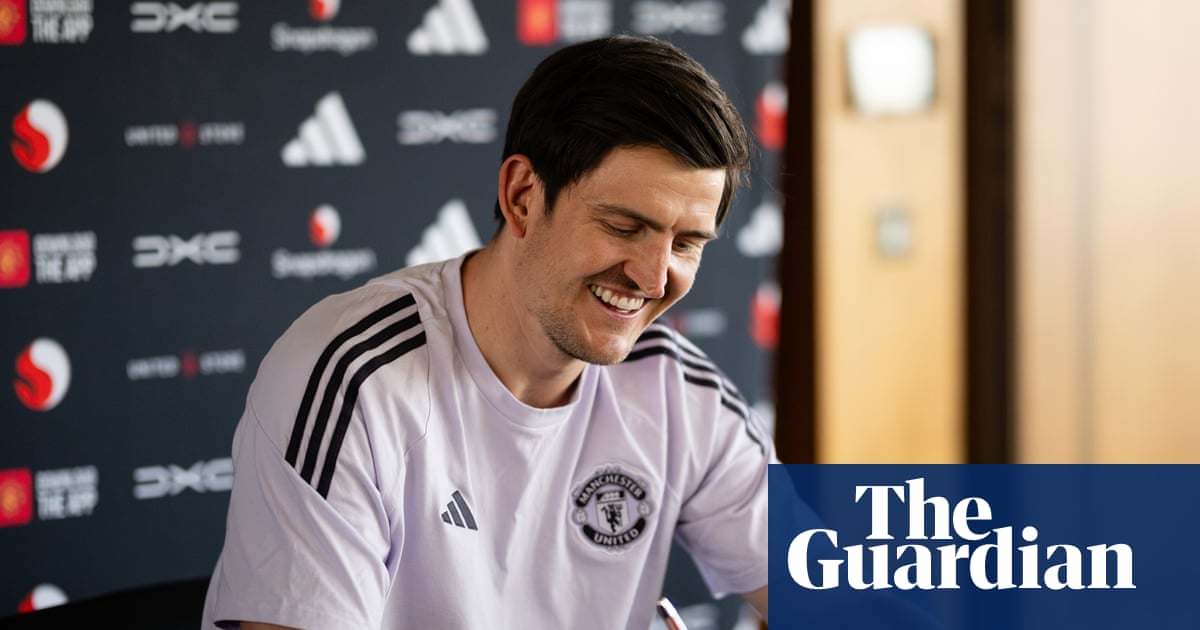
The Champions League tax is hitting Old Trafford early
Manchester United’s return to the Champions League party is confirmed, and the front office is doing exactly what we all expected: lighting money on fire. Despite Michael Carrick offering a rare moment of actual common sense by warning against handing out bloated extensions, the board has decided to trigger automatic contract clauses for a chunk of the squad.
It is the classic move for a club that loves spinning its wheels in the mud. Secure a top-five finish, breathe a sigh of relief, and immediately reward the mediocrity that put you in this precarious spot in the first place. You can almost hear the accountants high-fiving while the fans on social media prepare to spend the next three months screaming into the void.
The vocal minority vs. the spreadsheet warriors
The sentiment online is about as divided as a fanbase can get. You have the people who think anything short of a complete squad purge is a failure, and then you have the pragmatists who know losing players for free for no reason is bad business. It is a messy situation that smells like 2022 all over again.
One user on Reddit hit the nail on the head: "Why are we acting surprised that the board cares more about protecting asset value than squad rejuvenation? Carrick knows that keeping these guys on higher wages makes them immovable, but the board is terrified of a zero-transfer-fee exit." It is a brutal take, but look at the track record of Manchester United's recent transfer strategy and tell me that is wrong.
The case for the skeptics
The skeptics are out in full force, and frankly, I am with them. Triggering these clauses based on a Champions League appearance feels like short-term thinking meant to appease shareholders rather than building a team that can actually hang with City or Arsenal. If the strategy relies on players who needed a safety cushion to make the top five, how are they going to perform against the tactical juggernauts in the UCL?
You see people complaining about squad bloat, yet here we are, voluntarily inflating the payroll. It is the definition of insanity. Some of these veterans are on the downward slope of their physical peaks, and tying them to long-term money right before a massive tournament cycle feels like building a house on sand.
The defense of the board
On the flip side, the contrarians argue that letting the squad depth evaporate is worse. Their point is that in a league that is becoming increasingly physical, you cannot afford to have fewer bodies. They view the clauses as a necessary evil to keep the wage bill predictable and prevent a panicked scramble in the market during the June transfer window.
It is a weak argument, but it exists. They think that continuity—or at least the illusion of it—is better than the volatility that comes with revamping a roster during a World Cup build-up. I disagree entirely, but I hear them. They are scared of selling a player and watching him shine elsewhere for a rival.
Who wins the debate?
The skeptics have a much stronger argument here. Football isn't an accounting exercise. You don’t win trophies by protecting the resale value of squad players who have already peaked. Carrick warned them publicly for a reason. He knows the locker room dynamic better than any spreadsheets monitor ever could.
Triggering these clauses locks the club into a 5-year cycle of paying premium wages for players who might not even be fixtures in the starting XI by the time the next season hits its stride. It is short-sighted and indicative of a club that prioritizes safe metrics over bold leadership. The result will likely be another frustrating season where United is good enough to be interesting but nowhere near good enough to lift silverware when the pressure truly mounts in the spring.
We are looking at a team that is terrified of a clean slate. Until someone in that building has the stones to tell a veteran that their time is up regardless of an automatic clause, we are just going to repeat this loop indefinitely. The Champions League money should be used to lure fresh talent, not to polish the seats on a sinking ship before the FIFA World Cup 2026 madness kicks off in June.