Measuring the swing in the title race
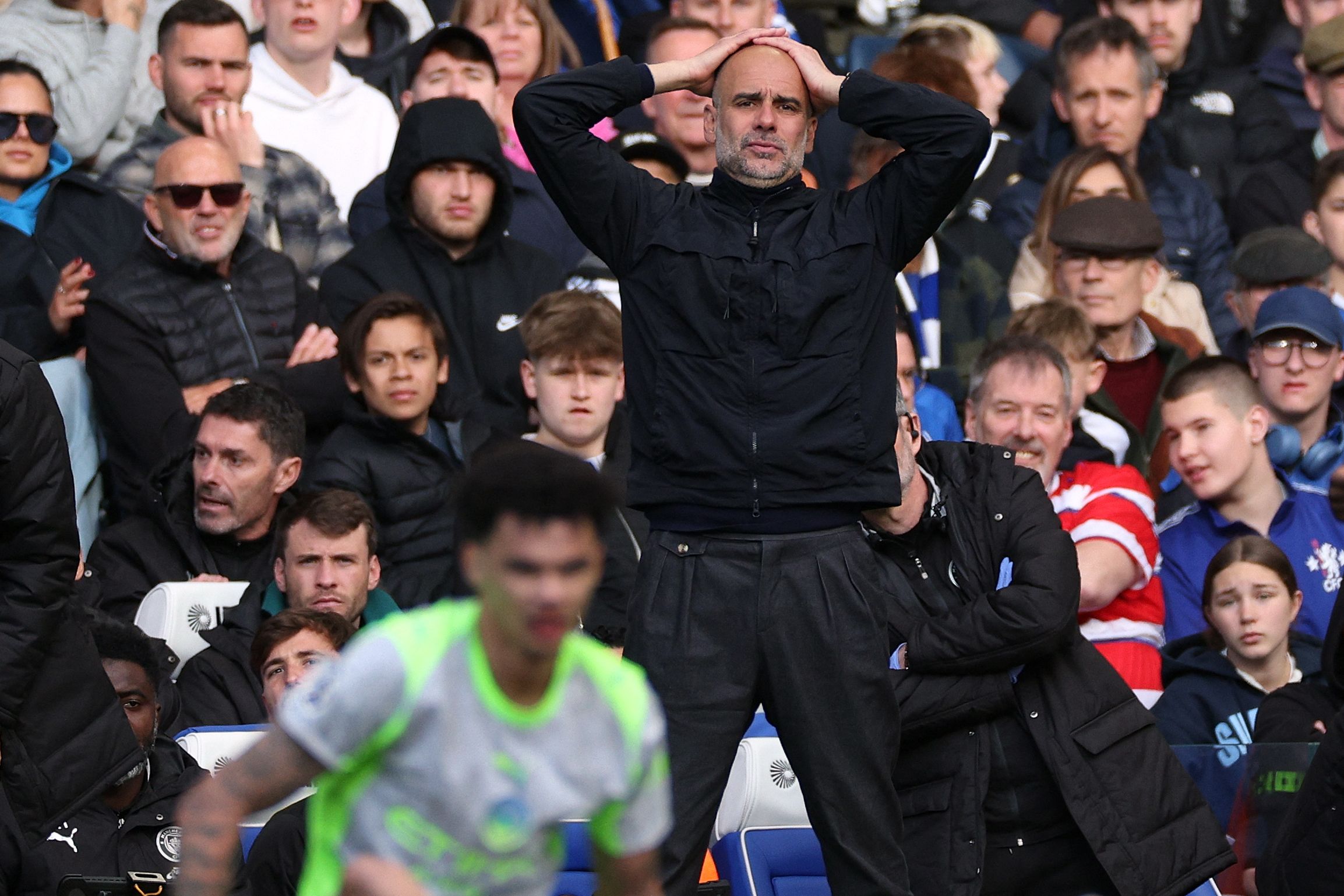
Manchester City’s 0-3 victory at Stamford Bridge has shifted the Premier League narrative from a potential Arsenal coronation to a familiar siege scenario. While Arsenal have maintained a disciplined defensive floor, conceding an average of only 0.81 expected goals per match against mid-table opposition, their recent inability to translate dominance into points has opened the door.
City’s performance against Chelsea was not merely a result; it was a rhythmic stabilization. In previous months, the team struggled for identity, appearing disjointed in transition. Statistically, that uncertainty is fading. Their passing accuracy in the final third against Chelsea reached 84%, up from a seasonal low of 76% in early February.
The math behind the momentum
For Pep Guardiola, the numbers indicate a return to sustainable volume. City are now averaging 2.4 goals per game throughout their current winning streak, a significant departure from their mid-winter slump where they hovered at 1.7 goals per match. This offensive output increase correlates directly with the repositioning of their defensive line, which now sits four yards higher on average than it did in December.
Yet, the margin for error remains razor-thin. While City are finding their rhythm, they are over-performing their underlying metrics by a small margin, having netted 62 goals from 54.8 xG. This level of efficiency is rarely permanent, suggesting the final weeks will be defined by whether their finishing maintains this clip or regresses to the mean.
The defensive gap
Arsenal face a math problem regarding their emotional control and defensive output. As reported by Ian Ladyman, the mood at City implies a shift in expectation. If Arsenal cannot tighten their grip on high-leverage defensive transitions, their rigid low-block strategy will eventually leak goals against the league's top-tier creative pivots.
Comparing the runners
The tactical friction observed at Stamford Bridge is a stark contrast to teams aiming for dominance elsewhere. In Scotland, Tony Ralston has argued that Celtic’s path to the title against Hearts and Rangers relies on experience rather than raw data. However, in the Premier League, experience is currently losing the battle against City's improved tactical fluidity.
There is a flaw in the current City setup that rivals ignore: their susceptibility to aerial duels in the defensive third. Despite their 72% win rate in ground duels, City lose 46% of their defensive aerial headers under pressure. If a Title challenger targets this specific vertical weakness rather than playing into the press, the current 0.3 goals conceded per game average would likely see a sharp spike.
The data confirms that the title is no longer a static trophy for Arsenal to lose, but an active pursuit for a City side finally operating at peak rhythm. With the fixture congestion of April, the side that manages its recovery metrics most effectively will likely be the one lifting the trophy on the final day.