The double-edged sword of Casemiro's workload
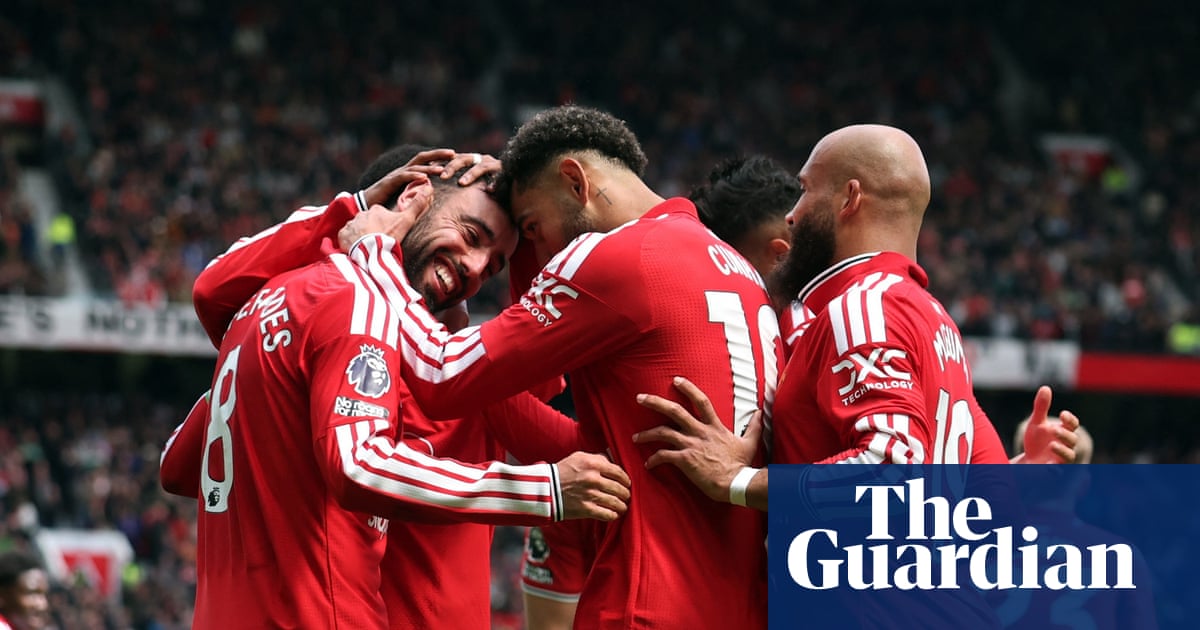
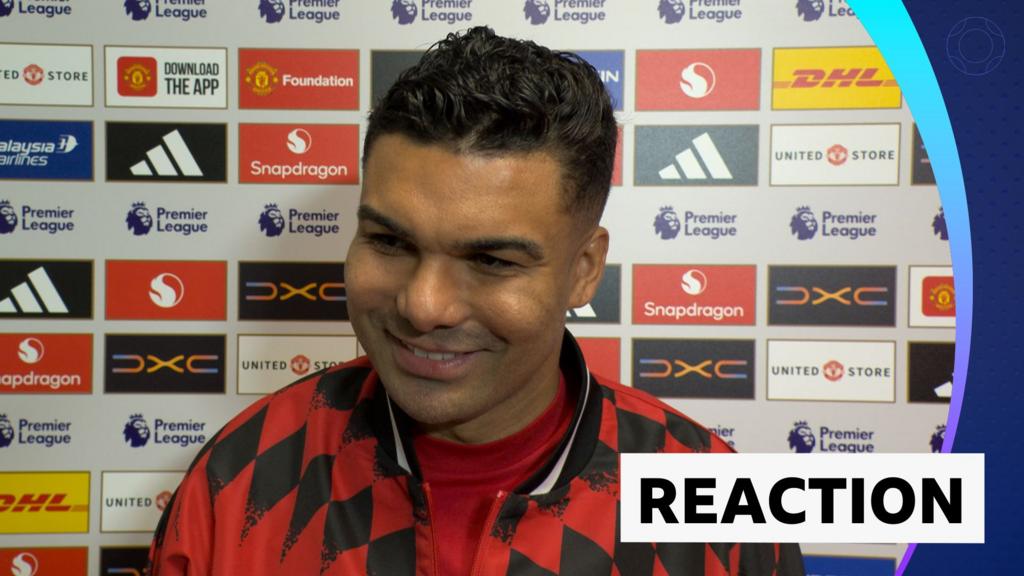
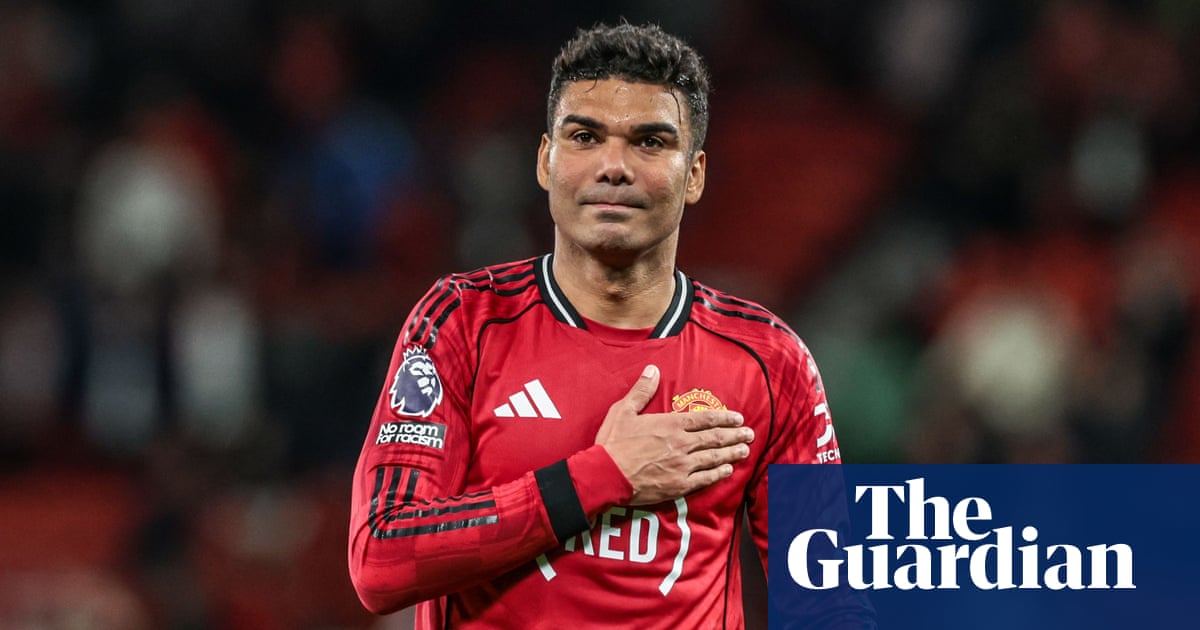
Manchester United’s trajectory toward next season’s Champions League football relies almost entirely on the veteran Brazilian holding mid. In the recent 2-1 victory over Brentford, his performance was nothing short of elite. He anchored the midfield and contributed a goal, shielding the back four with his characteristic physical aggression.
Yet, the medical optics surrounding his involvement remain thin. Reports suggest the club’s staff is managing a recurring muscle fatigue concern that has limited his training volume throughout April. Every start feels like a tactical gamble. If the medical team miscalculates his recovery load, the gap between success and a top-four collapse narrows significantly.
Tactical reliance on a fragile pivot
The reliance on a player managing chronic fatigue is a flaw in the current roster construction. While Benjamin Sesko continues to perform well, the spine of this team is brittle. Casemiro has been sidelined for cumulative stretches totaling nearly 12 matches over the last two seasons. This history of muscle injuries implies that the current workload—playing effectively three times a week—is near his functional limit.
Compare this to the 2024 season, where similar fatigue management efforts failed, resulting in a late-season defensive drop-off. The medical staff is now utilizing cryotherapy and restricted load sessions to keep him viable for the remaining weeks. It is a stop-gap measure. Relying on an aging pivot to play every minute while balancing a 55-match season profile is statistically inadvisable.
The cost of the rotation gap
The lack of a true, like-for-like replacement for Casemiro creates a massive point of failure. When he exits the pitch, the drop in passing tempo and defensive composure is immediate. In the game against Brentford, the final ten minutes showed exactly what happens when the team is forced to compensate for his fading energy levels.
As The Mirror reported, the result against Brentford pushed the side firmly into third place, but manager Erik ten Hag knows the numbers. If Casemiro pulls a hamstring during the high-intensity schedule of the upcoming semi-finals, the depth chart currently offers no viable relief. The absence of a secondary defensive midfielder is a glaring oversight in recent transfer dealings.
Looking toward the semi-final stretch
With the Champions League semi-final leg approaching on April 28, 2026, the target is 100% availability. Every training session between now and kickoff is a process of mitigation. The coaching staff is reportedly sacrificing tactical drill time for restorative blocks to ensure he hits the pitch by 8:00 PM tomorrow.
Historical data indicates that players in his age bracket rarely recover fully from midweek deep-muscle tightness without at least 72 hours of complete rest. This schedule offers exactly that, but the margins are razor-thin. If the scan results from Friday morning show any lingering inflammation, the club may have to pivot to a formation shift that shields their defensive line deeper. It is a precarious position for a club chasing maximum points for European security.
Read Next