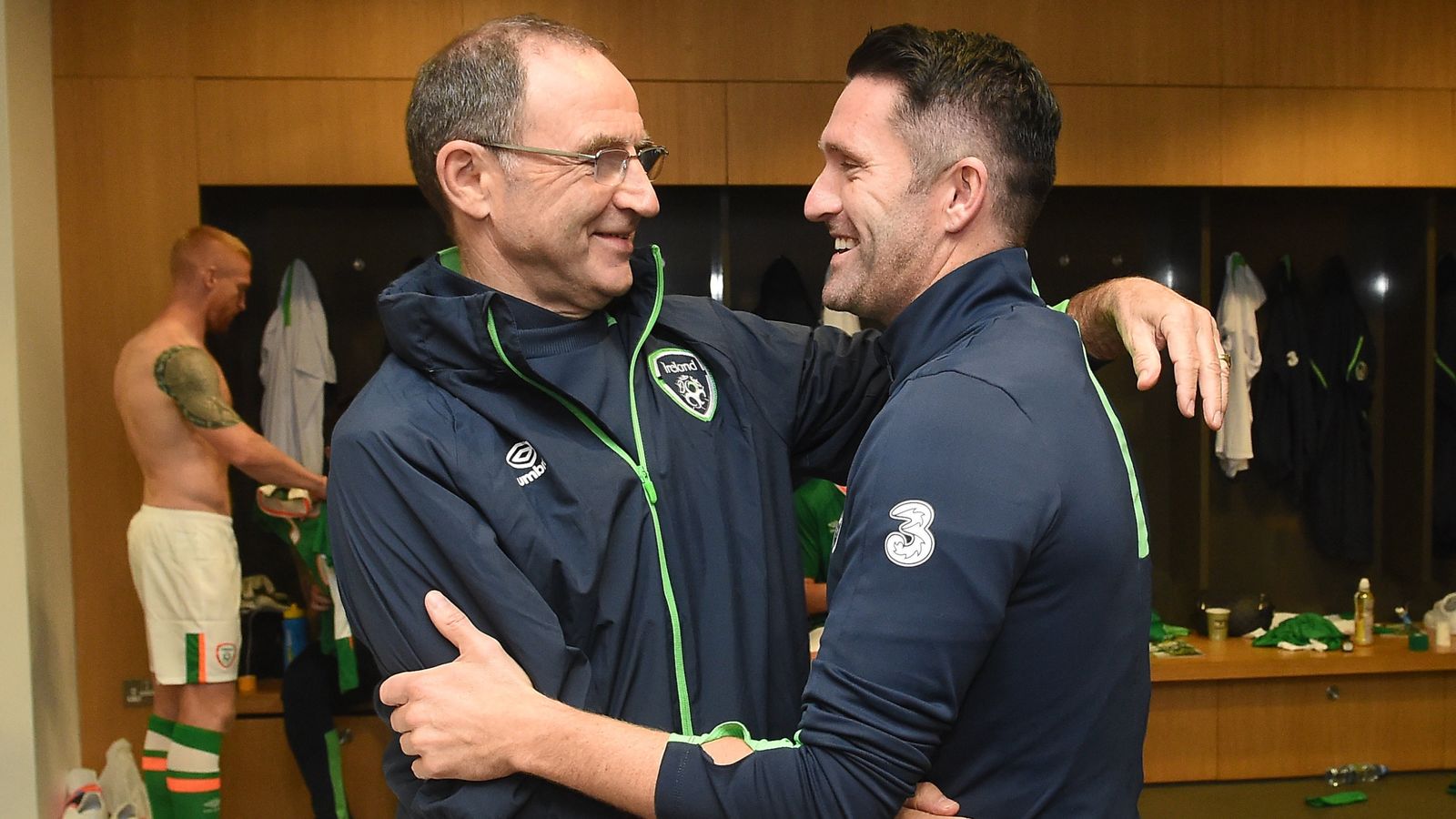
Martin O'Neill stays at Celtic but the hard work starts now
Stability achieved but structural questions remain
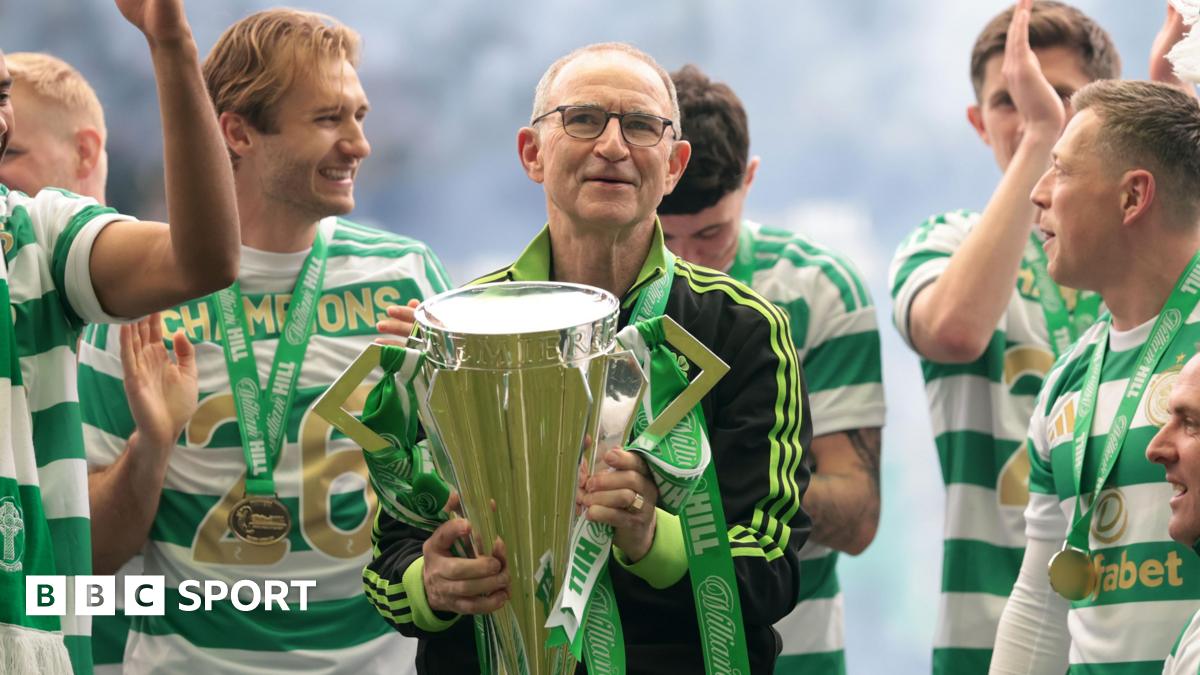
Martin O'Neill has confirmed he will remain at the helm at Celtic following a domestic double that secured both the Premiership title and the Scottish Cup. While current supporters might view this as a moment for celebration, the reality of the 2026 season requires a colder assessment of how he intends to evolve this squad. Retaining a manager who has delivered silverware is logical, yet the internal issues facing the club extend far beyond the touchline.
Reports suggest that while O'Neill is secure in his position, the back-office maneuvering mentioned in recent industry analysis regarding ownership instability across larger European clubs provides a stark warning. Celtic operates in a financial environment that demands precision. Domestic dominance is expected; the actual barometer for success in the modern era is performance in Continental competition.
Tactical inconsistencies under the microscope
The campaign just finished brought trophies, but frequent watchers observed clear patterns of stagnation in high-pressure matches. O'Neill struggled to adjust his central midfield shape when pressed by opponents employing a man-marking system. Pass completion rates in the final third dropped significantly in games against European opposition, indicating a lack of alternative movement blueprints when the primary build-up play is stifled.
As recent reports confirm, the manager is remaining, but continuity can mask deep-seated decline if the recruitment strategy does not shift. The squad relies heavily on individual sparks rather than a cohesive collective pressing structure. When the energy levels dipped, the disconnect between the forward line and the defensive block became an open invitation for counter-attacks.
The wider context of the modern game
England’s recent tactical failure in Mallorca serves as a cautionary tale for any club resting on their laurels. As we saw early in June, the 4-0 result was a systemic breakdown; England lacked the mobility to track runners in the half-spaces, mirroring some of the defensive lapses Celtic suffered during the winter months. If O'Neill does not address the lack of pace in his defensive line, he risks being overrun by faster, more agile forward units in upcoming qualifiers.
The ownership reality currently gripping the game is not just a commercial matter—it is a performance driver. When boards are distracted by external investment, the daily rhythm of the training ground suffers. Even a successful manager should be wary of complacency during the summer window. Sentimentality is the enemy of progression in professional sports.
Expectations for the road ahead
The Premiership title is in the cabinet, and the Scottish Cup triumph provides a satisfying punctuation mark for the 2025/26 season. However, expectations for the year ahead are shifting. The recruitment team must look beyond domestic scouting circles to compete at a higher level. Integrating younger players who fit into a more aggressive transition model should be the priority, not just retention.
Five days remain before the 2026 World Cup begins, and the eyes of the world turn away from domestic league football. Celtic occupies a unique position in this timeline. Without a clear plan to refresh the tactical approach, O'Neill will face a much harder test when the league resumes in August. He has the mandate to stay, but he must demonstrate that he has the imagination to rebuild.
Read Next
- Martin O'Neill returns to the Celtic throne for a one-year curtain call
- Celtic's fan base is drawing a hard line on managerial appointments
- Celtic supporters take an uncompromising stance on Robbie Keane
- Thomas Tuchel has six days to figure out England's identity
- ⚽ Scottish Premiership 2025-26 — Celtic vs Rangers Hub
The Mixer: The History of Premier League Tactics, from Route One to False Nines
The ultimate deep dive into how the Premier League was won and lost.
Frequently Asked Questions
What trophies did Martin O'Neill win with Celtic this season?
Why does Celtic's squad need a tactical overhaul?
How did Celtic perform in high-pressure matches this season?
What are the primary defensive concerns for Celtic?
What is required for Celtic to improve in European competitions?
More Coverage
USA vs Paraguay: A defensive disaster disguised as a lead
2 hours agoCanada’s lack of clinical edge is becoming a real tournament headache
3 hours agoUSA face a reality check against a disciplined Paraguay side
3 hours agoCanada’s identity crisis: Can Marsch sort the midfield before the next test?
7 hours ago
Canada’s profligacy in the final third threatens their World Cup run
7 hours agoCanada and Bosnia are stuck in a tactical stalemate
8 hours agoMore Analysis

Celtic need a permanent manager before O'Neill's patch job collapses
3 weeks, 4 days ago
Celtic should let Martin O'Neill walk away after his Hampden mic drop
2 weeks, 6 days ago
Why Martin O'Neill's return to Celtic creates a statistical dilemma
1 day, 17 hours ago
Celtic's managerial pursuit shows a lack of vision
1 week, 3 days ago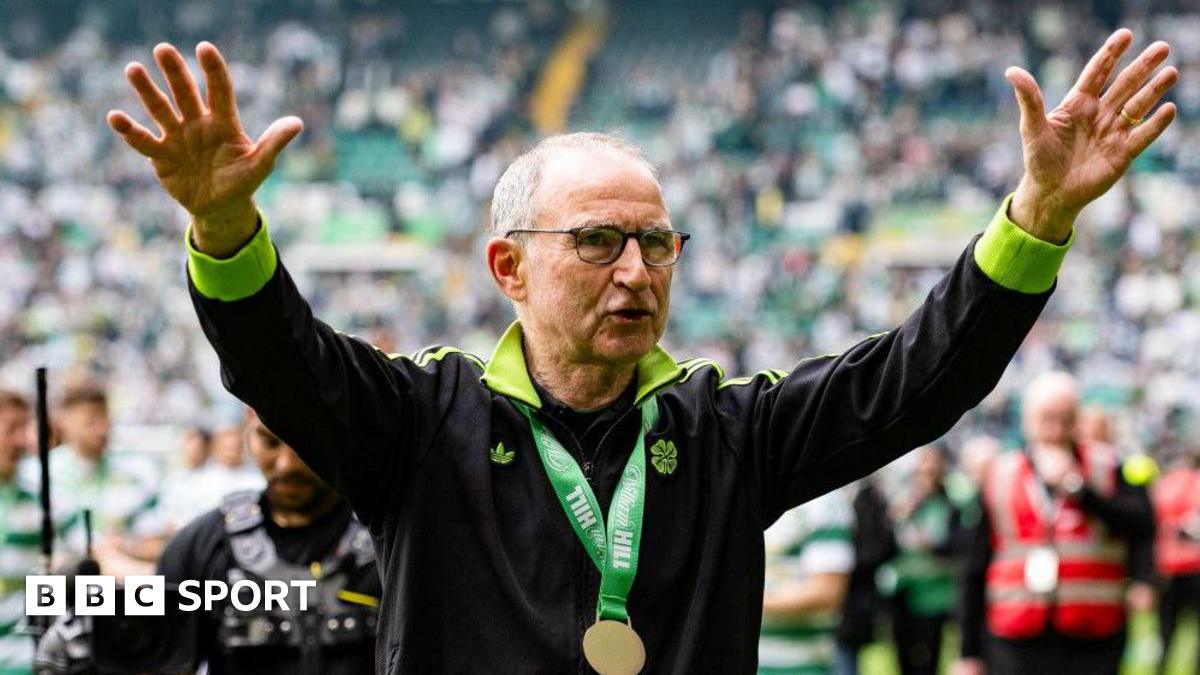
Celtic are rolling the dice on Martin O'Neill again
5 days, 11 hours ago