The Hampden Illusion and the Double-Winning Anomaly
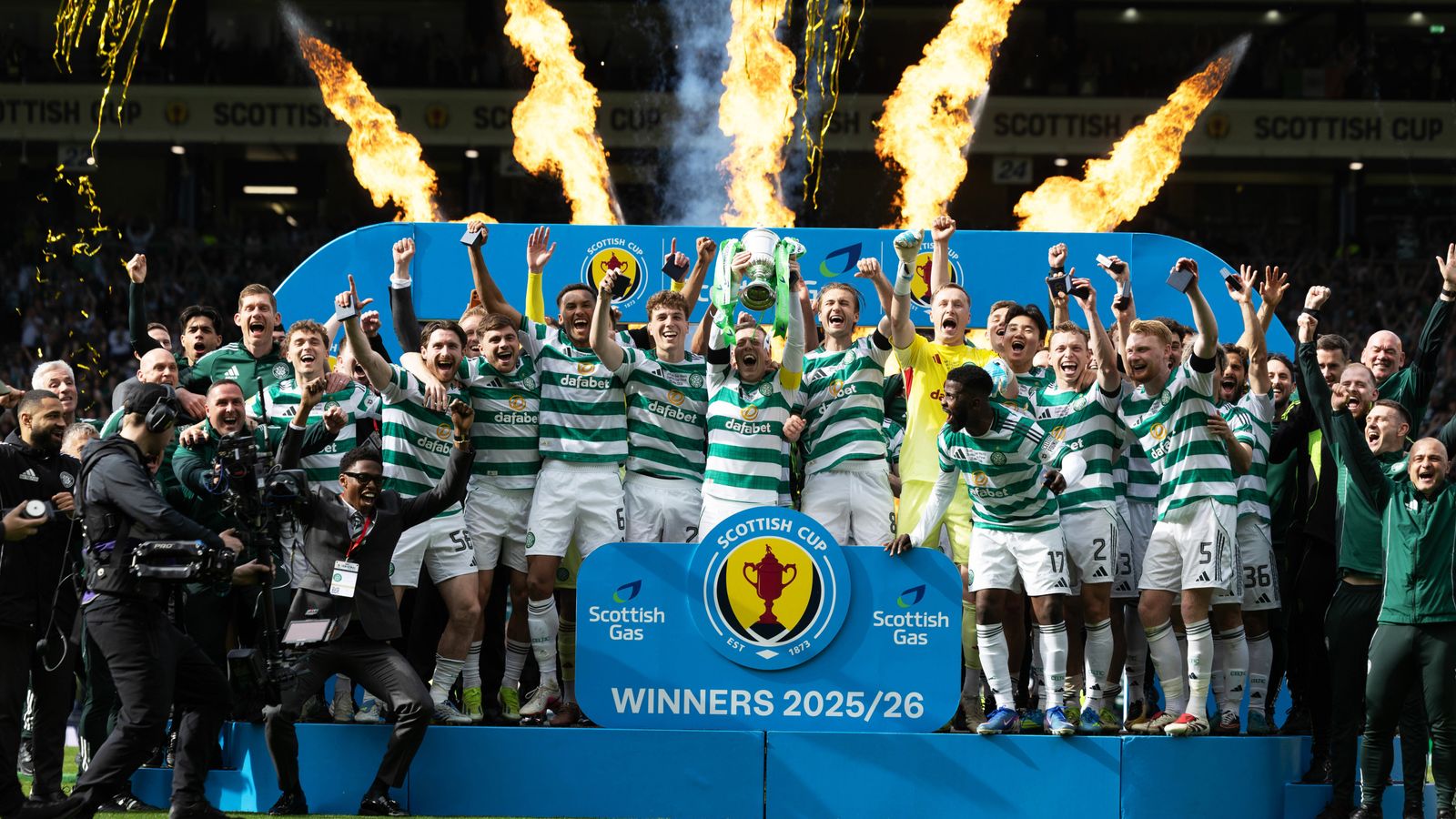
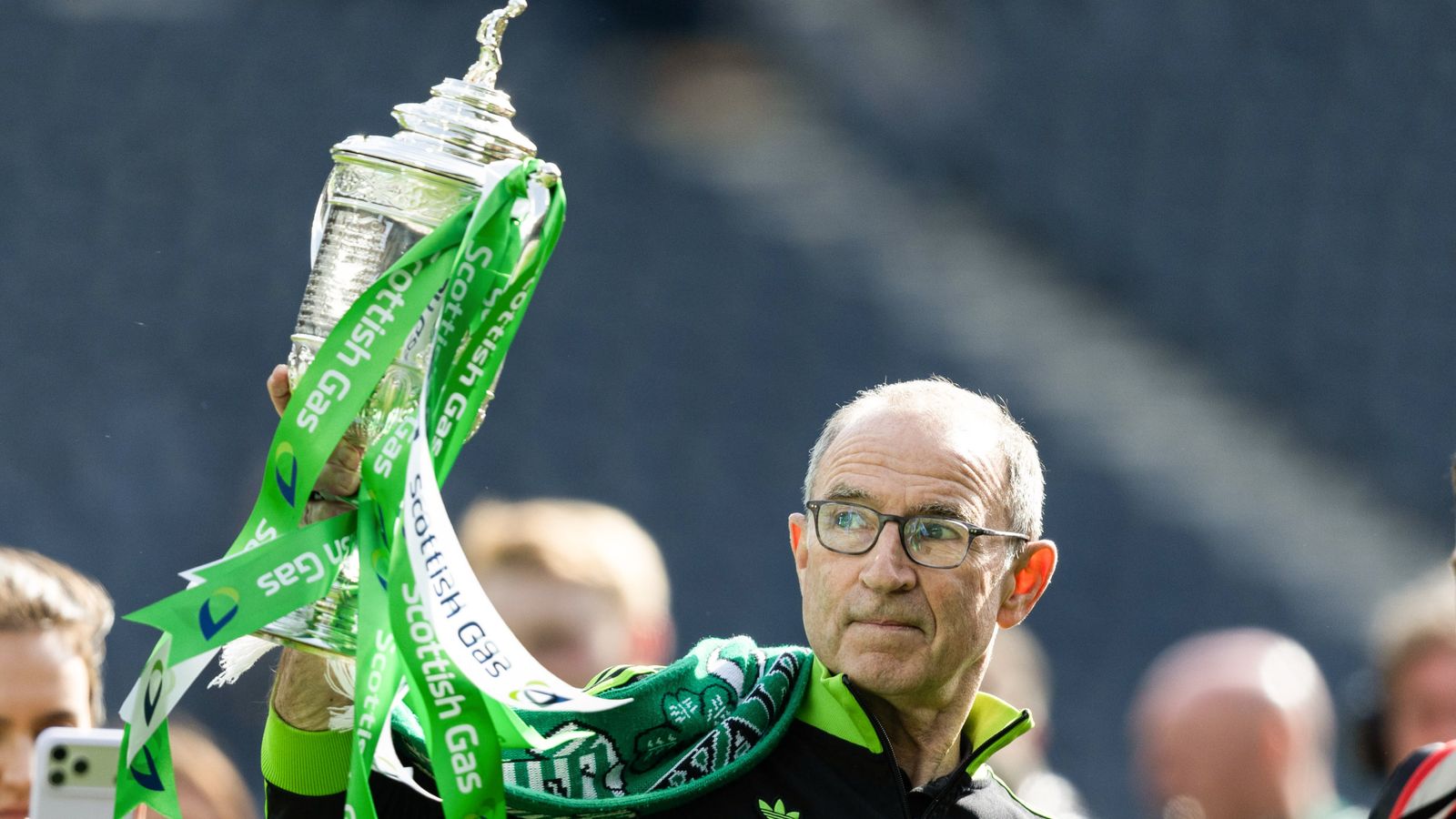
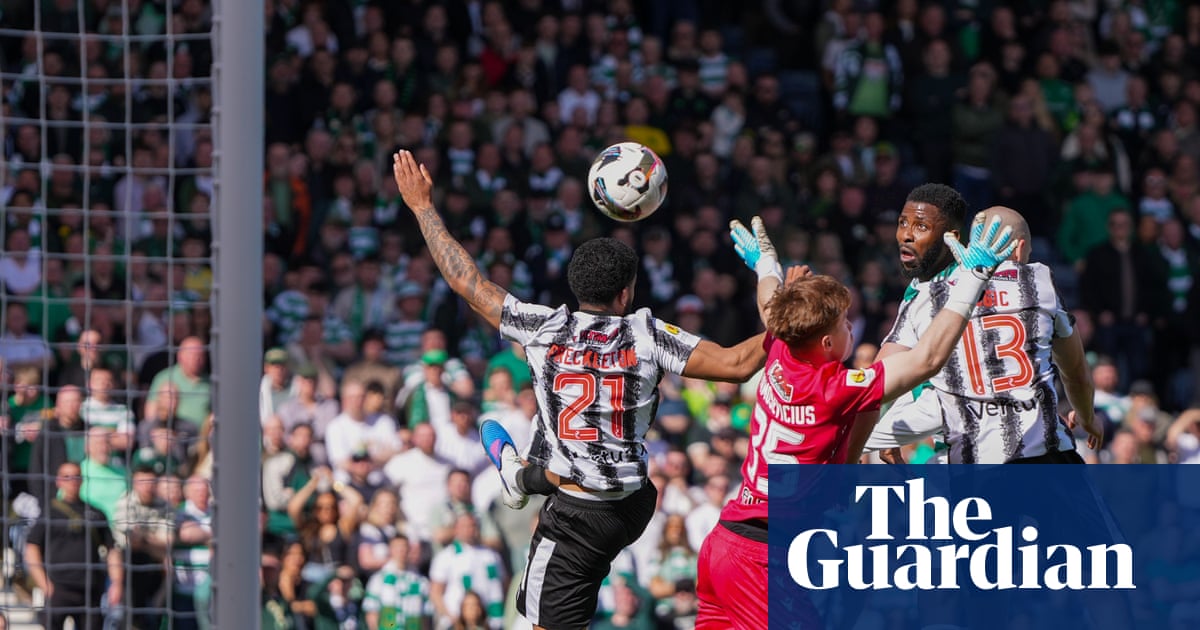
The Hampden sunlight did not lie. Celtic’s comfortable 3-1 victory over second-tier Dunfermline Athletic to lift the Scottish Cup was as clinical as it was expected. Kelechi Iheanacho’s finishes secured a domestic double that seemed impossible seven months ago, but the celebratory glitter cannot mask the structural reality facing major shareholder Dermot Desmond. This trophy lift represents the absolute peak of a short-term tactical optimization that has no sustainable future.
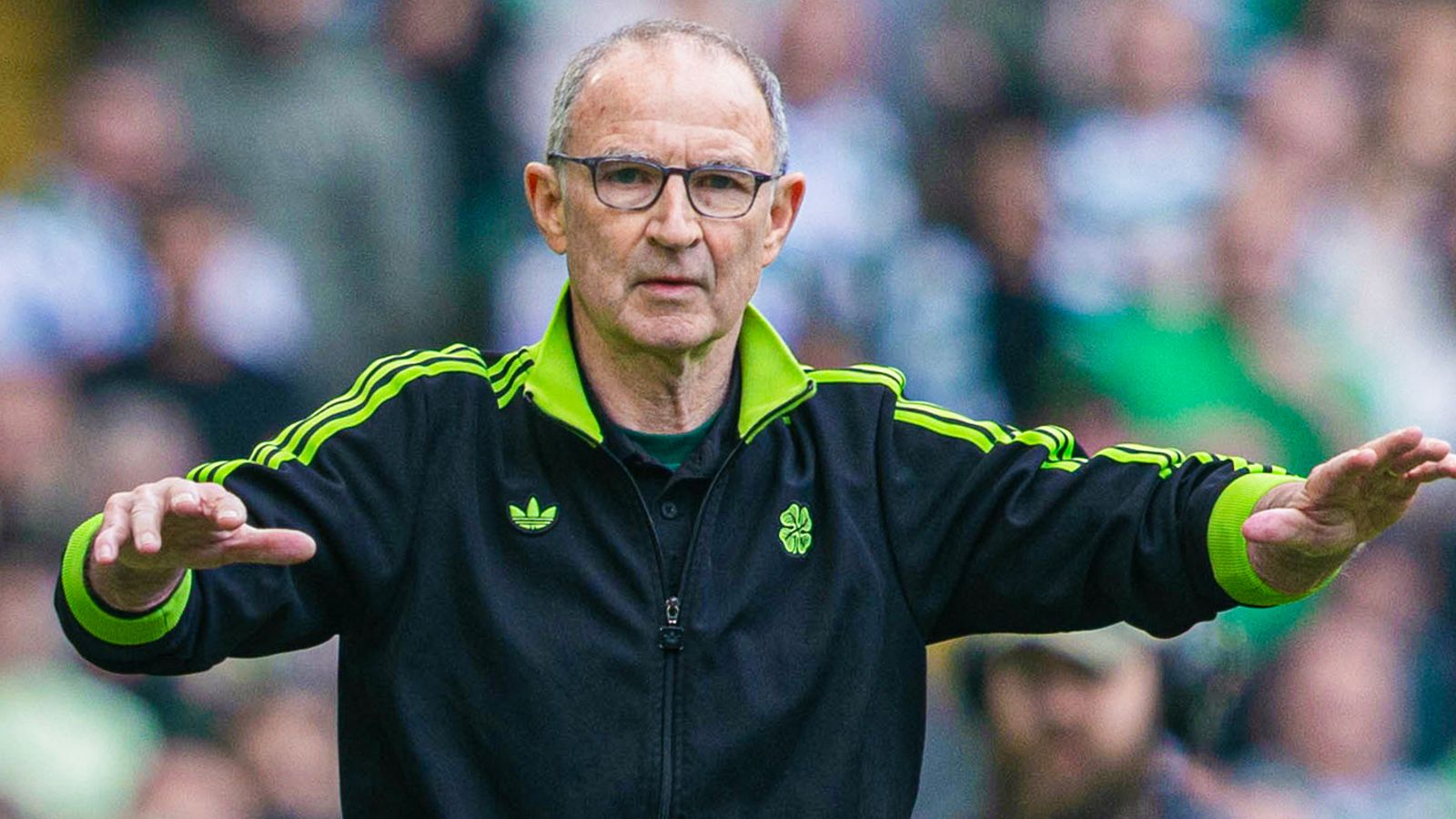
Martin O'Neill has staged a tactical heist of historic proportions. Brought in as an emergency plug-in during the autumn collapse, he inherited a dysfunctional squad and somehow squeezed out a league title and a cup. The fans are understandably ecstatic, but running this experiment for another twelve months is a recipe for a catastrophic regression to the mean.
Let’s look at the underlying metrics of this campaign. Celtic's late-season run was fueled by an unsustainable conversion rate, overperforming their expected goals (xG) by 8.4% over the final ten matches. They were not dominating teams through possession, instead surviving on individual brilliance and a classic local maximum in team performance that remains structurally fragile.
Against Dunfermline, the qualitative gap between the two divisions made the match straightforward. Yet, a deeper look at the transition phases shows a team that struggled to control the midfield against a side playing in the tier below. The game looked easy on paper, but the tape shows a team running on fumes and tactical simplicity.
Quite how a season that once looked certain to be sucked into a black hole ended with a second lump of silverware glinting in the Hampden sunlight still takes a bit of figuring out.
The Desmond Summit and the Rebuild Dilemma
Desmond and O'Neill are poised for crunch talks over the coming week. The manager himself has been refreshingly candid about the situation. He openly admitted that the Parkhead club should be looking for a younger manager in the long run, signaling that he knows his short-term methods are not a viable foundation.
The Age Curve Bottleneck
O'Neill's tactical blueprint is a throwback to a simpler era. He relies on highly direct transitions, rigid defensive shapes, and immense emotional motivation. While this works beautifully as shock therapy, it lacks the positional fluidity and high-pressing structures required for modern football.
The physical toll of this direct style is already visible in the squad's age profile. Celtic’s starting XI in the cup final had an average age of 29.4 years, one of the oldest lineups fielded in a major domestic final in Celtic's recent history. Extending O'Neill's tenure means doubling down on an aging core on the verge of a steep physical decline with zero resale value.
Desmond must resist the emotional urge to hand O'Neill a lucrative contract extension. Interim bumps are a well-documented phenomenon in football analytics, often followed by severe drop-offs once the initial motivational surge dissipates. The board must look at the hard data, not the Hampden silverware, to guide their decision-making.
Recruitment Deficits and the European Gap
The financial realities of the modern game require a self-sustaining model. Celtic cannot afford to spend their limited Champions League revenue on aging players designed to fit a short-term manager's system. They need a coach who can develop young prospects, implement a high-intensity press, and build long-term value in the transfer market.
Consider the scouting network under the current regime. Under O'Neill's temporary tenure, Celtic’s recruitment has been largely ad-hoc, relying on short-term loans and veteran free agents. While they averaged 2.15 points per game, structural scouting has been virtually non-existent, leaving the club vulnerable to smarter, data-driven rivals.
This leaves Celtic with the big post-double question: will O'Neill stay, or will they seek a younger long-term appointment? The answer will define the club's trajectory for the next decade. If they choose sentimentality over strategy, they risk falling behind in both domestic dominance and European competitiveness.
The double-winning squad needs immediate, expensive surgery. With several key players out of contract and others entering their thirties, the cost of rebuilding this squad will exceed $15 million just to maintain the current baseline. Spending that money under O'Neill's direction would be a major strategic error, locking the club into an unsustainable cycle of veteran contracts.
A new, progressive manager would have the tactical flexibility to adapt to modern European competition. O'Neill's direct approach is easily neutralized by continental opponents who possess superior physical profiles and technical defensive structures. Celtic's European campaigns under O'Neill would likely be short, painful, and financially damaging.
The Tactical Tape and Final Prediction
Tactical Regress and the Shadow of the Future
Let's look closer at the tactical tape from Hampden. Dunfermline set up in a passive 5-4-1 low block, intending to compress the space between their lines. Instead of modern ball circulation and third-man runs to disorganize this block, Celtic relied on long diagonal balls to the flanks, hoping to win second balls in the final third.
While Kelechi Iheanacho's superb movement created the goals, this method relies heavily on individual superiority rather than systemic design. Against disciplined Scottish Premiership opponents who employ aggressive counter-pressing, these long diagonals will be easily intercepted. The midfield pivot is constantly bypassed, leaving the center of the pitch completely empty during transition phases.
O'Neill's historic tactical trajectory supports this skeptical view. Throughout his career, his teams have experienced immediate success followed by rapid stagnation once opponents map out his direct passing channels. This direct approach lacks the tactical variety required for a club that expects to win every single week.
Furthermore, this tactical rigidity blocks the path for academy graduates. Young players need a structured environment where they can learn positional responsibilities and build tactical intelligence. O'Neill's high-variance, emotion-driven style favors experienced players who can navigate chaotic moments, effectively locking out Celtic's brightest prospects.
The Hero’s Exit
My prediction is clear and uncompromising. Martin O'Neill will step down after his meeting with Dermot Desmond this week, walking away on his own terms as a double-winning hero. The board will thank him, the fans will sing his name, and a younger, modern coach will be appointed to handle the rebuild.
O'Neill's legacy is secure. He took a season that was spiraling out of control and delivered two major trophies in spectacular fashion. His admission about the need for a younger coach shows he has no desire to oversee the painful rebuild Celtic desperately need.
Replicating this success next year with the same squad and tactical setup is statistically highly improbable. Celtic won the league by thin margins, capitalizing on Rangers' tactical inconsistency and defensive collapses rather than their own dominance. A second miracle is not a viable strategy.
Desmond must use this moment of triumph to reset the club's direction. By letting O'Neill leave as a hero, he preserves the positive atmosphere around Parkhead while opening the door for a modern tactician. It is the rare win-win scenario in a sport that rarely offers clean exits, and I fully expect both men to take it.
Read Next
- Celtic's double is a statistical anomaly that should worry Dermot Desmond
- Martin O'Neill just pulled off the most hilarious double in Celtic history
- Why Neil Lennon's Dunfermline could ruin Martin O'Neill's Celtic farewell
- Neil Lennon knows Celtic are fallible, but O'Neill has the Hampden pedigree
- ⚽ Scottish Premiership 2025-26 — Celtic vs Rangers Hub