The October Rescue Operation
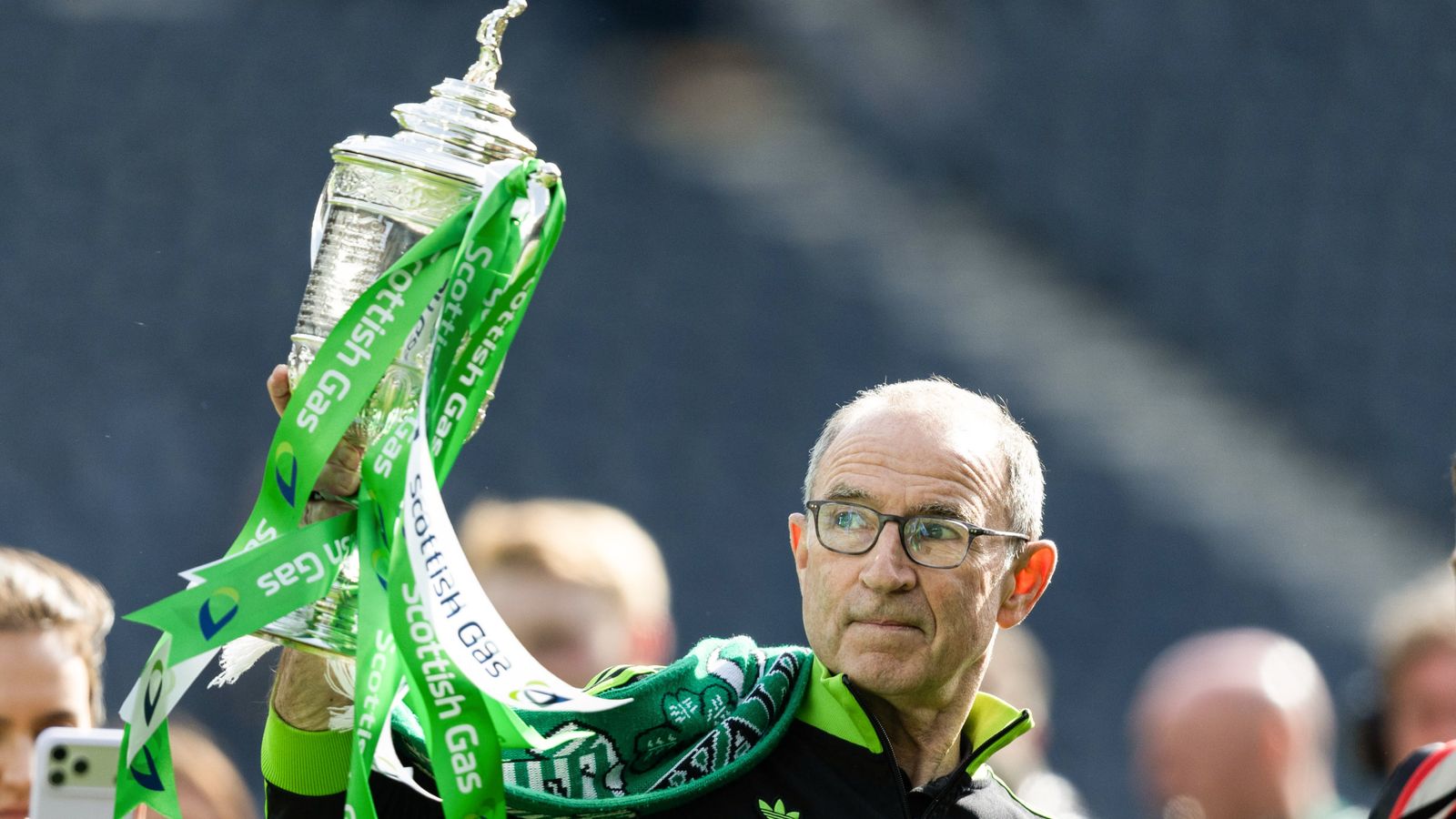
Martin O'Neill was supposed to be finished with the relentless grind of football management. In October of last year, he was quietly enjoying his retirement. He was far removed from the touchline stress, the invasive press conferences, and the endless tactical video sessions that define the modern Scottish Premiership. By May, he was standing in the quiet aftermath of a title celebration, holding his fourth league winner's medal as Celtic manager.
It is a stunning reversal of personal fortunes. It also highlights a massive structural risk for the football club. As the BBC rightly asked, is O'Neill really the long-term answer? He stepped out of the wilderness to mastermind a title win, but he is under no illusions about the sustainability of this run. The physical and mental demands of leading a club of Celtic's magnitude cannot be managed indefinitely by a man who had already called time on his career.
This is not a feel-good story about an ageless wonder. It is a stark warning about poor succession planning. Following the title triumph, O'Neill immediately urged the Celtic hierarchy to move quickly in appointing a permanent manager. He knows exactly what it takes to survive a full season in Glasgow. He knows he does not have the desire, or perhaps the physiological reserves, to do it all over again starting in August.
Running on Empty
According to reports from the Daily Mail, this latest triumph was earned "through sheer strength of will and motivational ability." That phrasing is incredibly telling. It implies that Celtic did not win this league by out-working, out-pressing, or out-tactic-ing their opponents. They won it because O'Neill dragged them across the finish line through force of personality.
Relying on sheer willpower is a massive red flag in modern football. Willpower is a finite resource. Adrenaline can carry a squad through a grueling winter schedule and a tense spring run-in. It cannot sustain a club through a Champions League campaign and a 38-game domestic calendar. Eventually, the emotional fatigue sets in. The players stop responding to the shouting. The manager burns out.
O'Neill's return in October was an emergency intervention. He provided a tactical tourniquet. Now, he is telling the board to fix the underlying wound.
"Asked about the importance of this league winner's medal... Martin O'Neill stood in the quiet."
The silence speaks volumes. O'Neill won three titles during his original dominant stint at Parkhead in the early 2000s. Back then, he built machines. His teams were physically imposing, built on elite fitness levels and aggressive recruitment. He had the energy to scout tirelessly, to fight with the board for funds, and to manage the daily sports science demands of a squad competing in Europe.
The Physiological Minefield
This time was entirely different. He parachuted into a chaotic situation. He had no pre-season to build a fitness base. He had no summer transfer window to identify targets. He simply took the broken pieces he inherited in October and willed them into a functional shape. It is a remarkable achievement, but it is not a repeatable strategy.
Let us examine the specific fitness challenges of a mid-season managerial change. When a new manager arrives in October, they cannot alter the fundamental fitness base of the squad. The aerobic capacity has already been set by the previous regime during July and August. If the previous manager neglected high-intensity interval training, the new manager simply has to manage the deficit.
O'Neill had to navigate this exact physiological minefield. He could not run the players into the ground in November to improve their stamina. Doing so would have spiked the soft-tissue injury rate instantly. Hamstrings would have snapped. Calves would have strained. Instead, he had to rely on tactical adjustments to mask the squad's physical limitations. He managed their minutes with extreme caution.
This delicate balancing act is exhausting for a medical and coaching staff. Every training session becomes an exercise in risk mitigation rather than player development. You are constantly checking the GPS tracker data, looking for signs of players entering the red zone of fatigue.
O'Neill navigated this flawlessly to secure the title, but it is a miserable way to manage a football club. It leaves zero margin for error. A permanent manager needs a full six-week pre-season to physically mold the squad to their specific tactical demands. They need to build the baseline endurance required for a high-pressing system.
The Chasing Pack
The rest of the Scottish Premiership is already moving to close the gap. As noted in recent gossip columns, the Hearts manager has been openly discussing the "title pain" of falling short this season. They are motivated. They are angry. They are already plotting their pre-season fitness regimens and tactical adjustments.
Up north, Aberdeen are dealing with their own squad evolution. Their standout defender is currently linked with a major move away from Pittodrie. The transfer carousel is spinning. Rivals are buying, selling, and restructuring. Celtic cannot afford to waste weeks celebrating a title won by a temporary manager while the competition actively improves.
The answer to the long-term question must be no. The modern game is too fast. The physical toll on managers is heavily documented. We see managers in their early forties suffering from exhaustion, stepping away from the game to protect their health. Jurgen Klopp cited a total lack of energy when he left Liverpool. To expect O'Neill to shoulder this burden full-time, after he had already embraced retirement, is negligent.
Celtic need a modern coach. They need someone who understands contemporary load management, tactical periodization, and elite data analysis. O'Neill brought old-school fire to a dressing room that had gone cold. He fixed the immediate psychological deficit. But a football club cannot run on psychology alone.
A Warning Unheeded?
If Celtic ignore O'Neill's stern warning, they are setting themselves up for a disastrous autumn. The Champions League group stages will expose any team running purely on vibes and legacy. Elite European opposition will systematically dismantle a squad that lacks modern tactical cohesion and peak physical conditioning.
The board must act now. O'Neill has given them the ultimate gift. They have a league title and a clear runway to appoint a successor from a position of strength. Usually, clubs are hunting for a manager while sitting in fifth place amidst a crisis. Celtic get to conduct their search as champions.
Every day they delay is a day wasted. The new manager will need time to assess the squad's physical data. They will need to implement a rigorous pre-season schedule. They will need to identify targets in the transfer market. You cannot do any of that if the managerial office is occupied by a man who considers himself a stopgap.
There is also the matter of player retention and recruitment. How can Celtic convince a top-tier European talent to sign a four-year contract if they cannot even tell the player who will be managing them in August? Players want stability. They want to know the tactical system they are joining. Uncertainty breeds hesitation in the transfer market.
O'Neill deserves immense credit. He risked his legacy to help his former club. He stepped out of a comfortable retirement, endured the brutal weather and the relentless media scrutiny, and delivered the main prize. But his job is done. The sheer strength of will has been expended. It is time for Celtic to find a permanent solution before the adrenaline finally wears off.
Read Next
- Celtic's chaotic title win sets the stage for a volatile summer transfer window
- Point deductions are coming to Glasgow as the SPFL finally stops blinking
- The SFA's cowardice is destroying the Scottish Premiership
- The chaotic math behind the Scottish Premiership's European race
- ⚽ Scottish Premiership 2025-26 — Celtic vs Rangers Hub