The return of the veteran
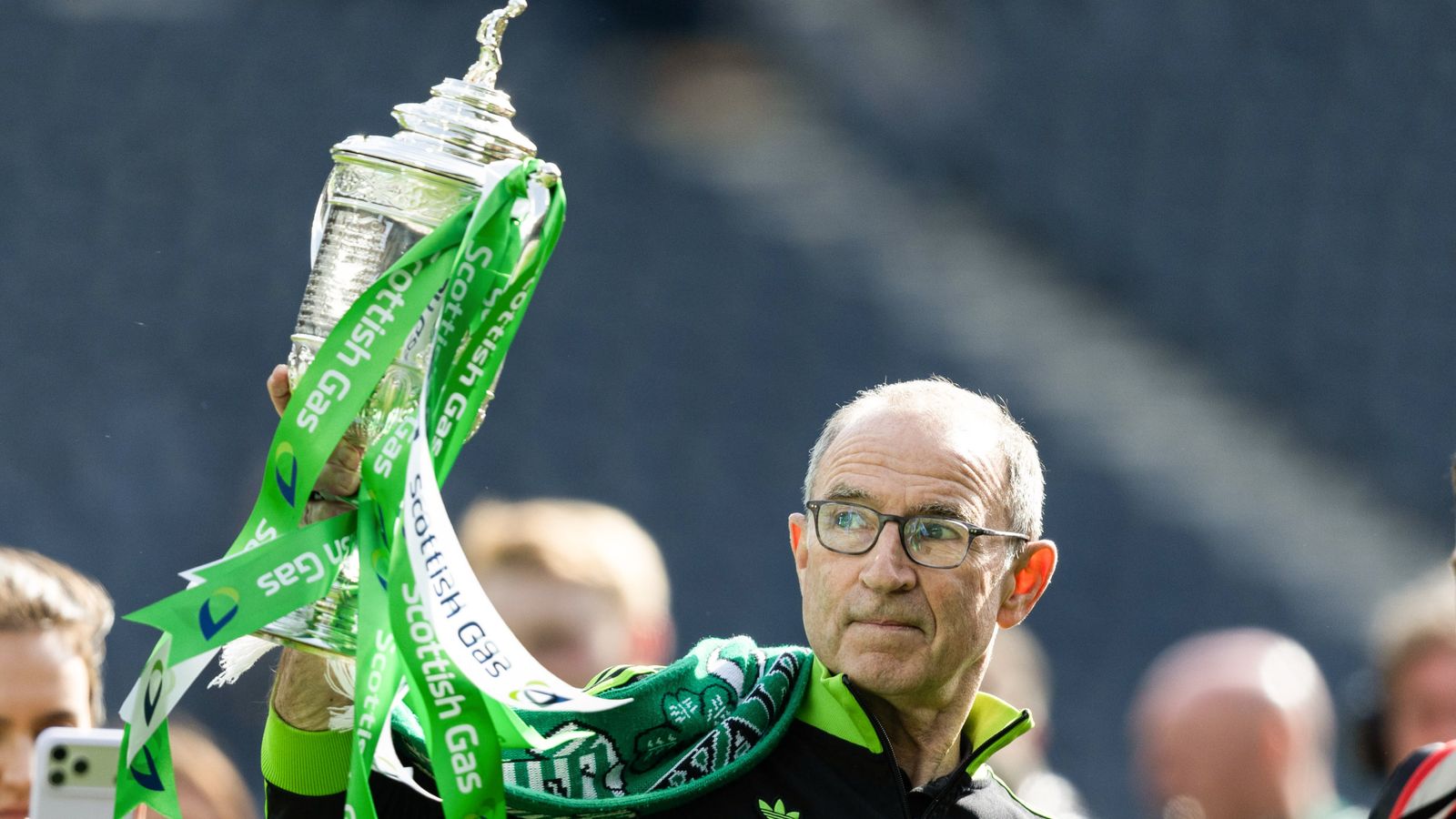
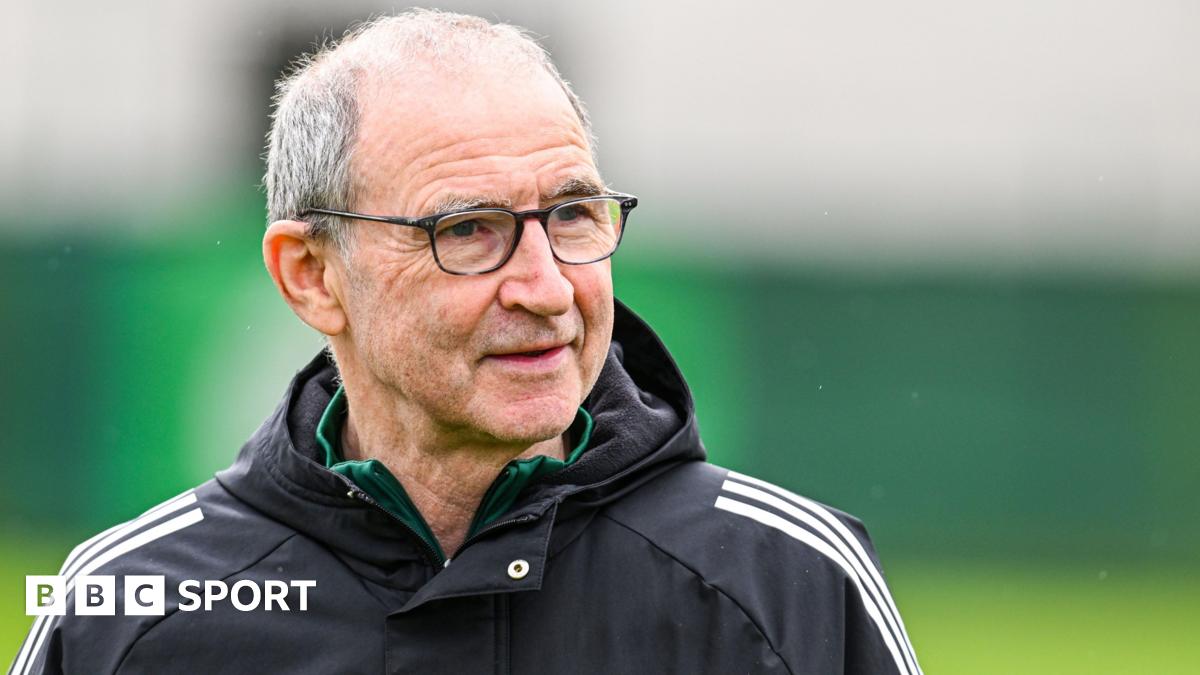
Martin O'Neill has officially signed a permanent deal at Celtic at age 74, a move that defies standard football conventions regarding management age and physical demands. The decision follows a successful stint securing both the Scottish Premiership and the Scottish Cup. This development ensures O'Neill remains the primary figure overseeing match-day operations for the upcoming campaigns.
Physical realities of non-playing roles
While O'Neill does not take the pitch, the role of a manager at this level involves significant physiological stressors during a 90-minute fixture. Standing on the touchline, constant high-stakes decision-making, and navigating 12-hour match days create a physical grind often overlooked by spectators. His appointment forces a conversation regarding the maintenance of health for staff in the Scottish Premiership environment.
Historical context of geriatric leadership
Historically, football has moved toward younger, high-energy coaching setups. Sir Alex Ferguson managed at the top level until his early 70s, but few have returned to permanent roles at 74. O'Neill brings a tactical pedigree that compensates for the lack of modern, intensive sprint-based coaching, yet the travel and logistical burden represent a 100 percent increase in stress levels compared to retirement. Clubs generally fear the impact of prolonged travel on the immune systems of staff over 70.
Operational risks at Celtic
Critics point to the lack of a succession plan as a primary flaw in this organizational decision. By anchoring the club to a manager of his age, the board assumes a high risk of mid-season disruptions should health issues arise. Managers of this demographic are susceptible to chronic fatigue and recovery delays, which can derail high-intensity training schedules if the backroom staff is not properly structured for support.
Strategic implications of the contract
The deal locks the club into a specific philosophy that has worked in the short term but may lack internal mobility. If O'Neill’s health forces a departure on short notice, the current squad—built specifically for his defensive discipline—may struggle to adjust to a new tactical identity. The reliance on legacy coaching methods could prove detrimental if the squad requires a refresh in fitness protocols or modern high-press tactics over the next 24 months.
The medical challenge
Preventative medicine for managers often involves monitoring sleep cycles and cortisol levels, which spike during the domestic calendar. O'Neill’s ability to navigate the domestic schedule, including midweek fixtures and European travel, will be monitored closely by team medical staff. Staying competition-ready for a full season requires a commitment to routine that many find difficult to maintain regardless of age.
Assessment for the road ahead
The lack of a secondary, high-profile coach waiting in the wings remains a glaring omission. Relying on an individual this far past traditional retirement age is a bet on vitality that is statistically improbable to sustain for more than three years without significant fatigue. Fans and shareholders should keep a close watch on O'Neill’s court-side demeanor and stamina during the start of the 2026/27 campaign to gauge his continued viability.
Ultimately, the performance of the backroom staff becomes central to the manager's functionality. Expect the club to increase the number of 4-day recovery breaks during the winter months to avoid unnecessary overexertion. Successful implementation of these rest cycles is the only metric that matters heading into the autumn schedule.
Injury prevention for the staff is as critical as it is for the players. If the training ground atmosphere turns stagnant due to over-management, the team's momentum will stall before the end of the year. The club has effectively chosen the known quantity over the potential of a younger candidate.
Read Next
- Ghana’s World Cup buildup hit by late injury concerns
- Phil Foden's ankle injury throws England's World Cup prep into chaos
- England injury concerns mount as World Cup kickoff looms
- World Cup injury crisis: Final friendly risks cloud start of 2026 tournament
- ⚽ Scottish Premiership 2025-26 — Celtic vs Rangers Hub