The shadow of the interim tag
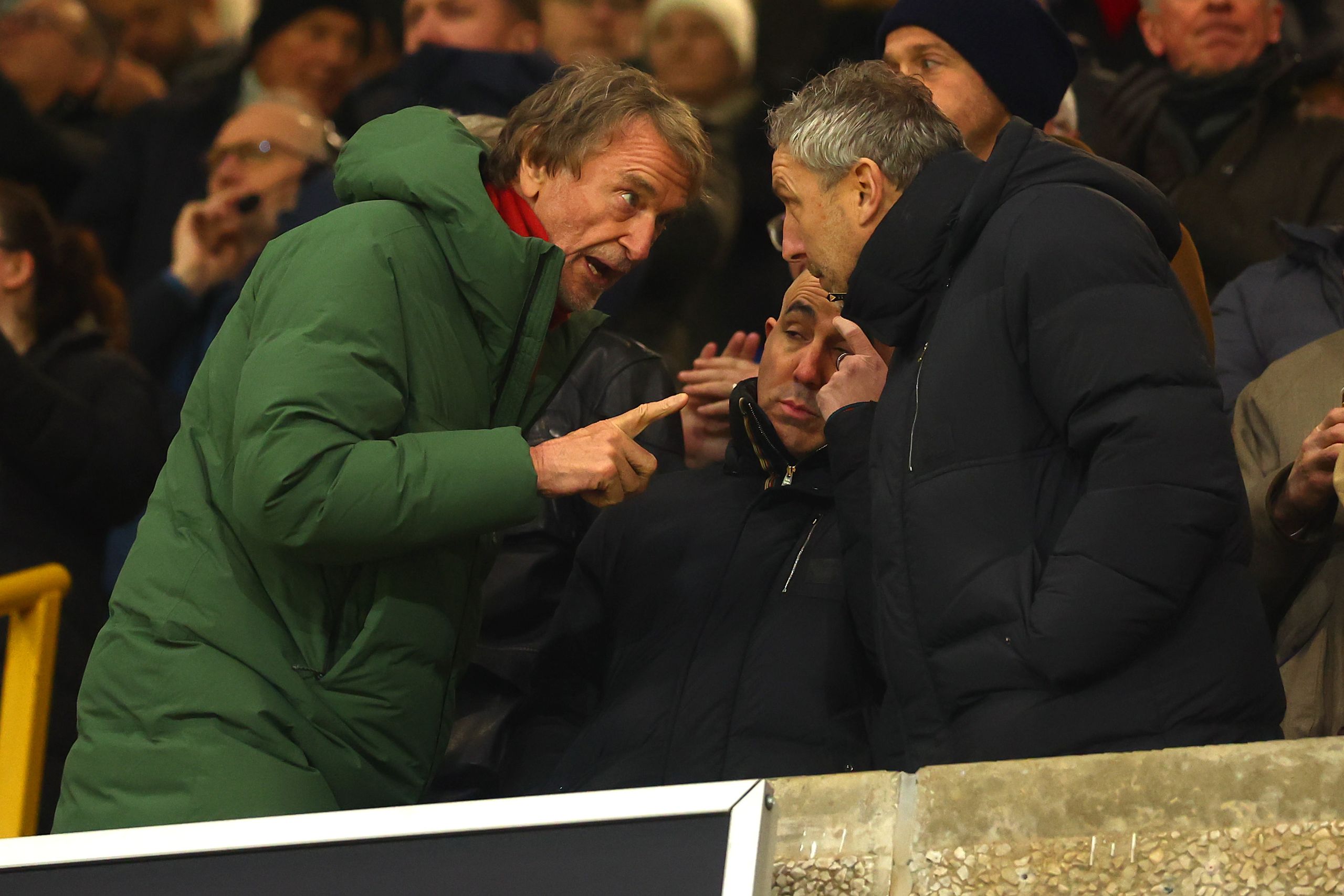
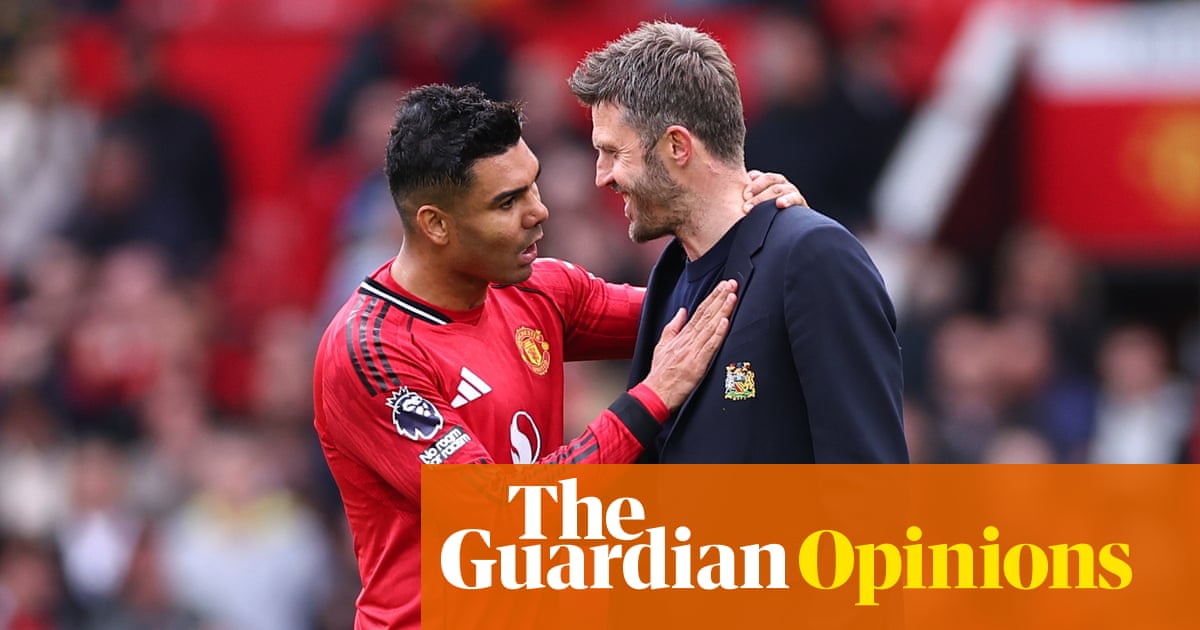
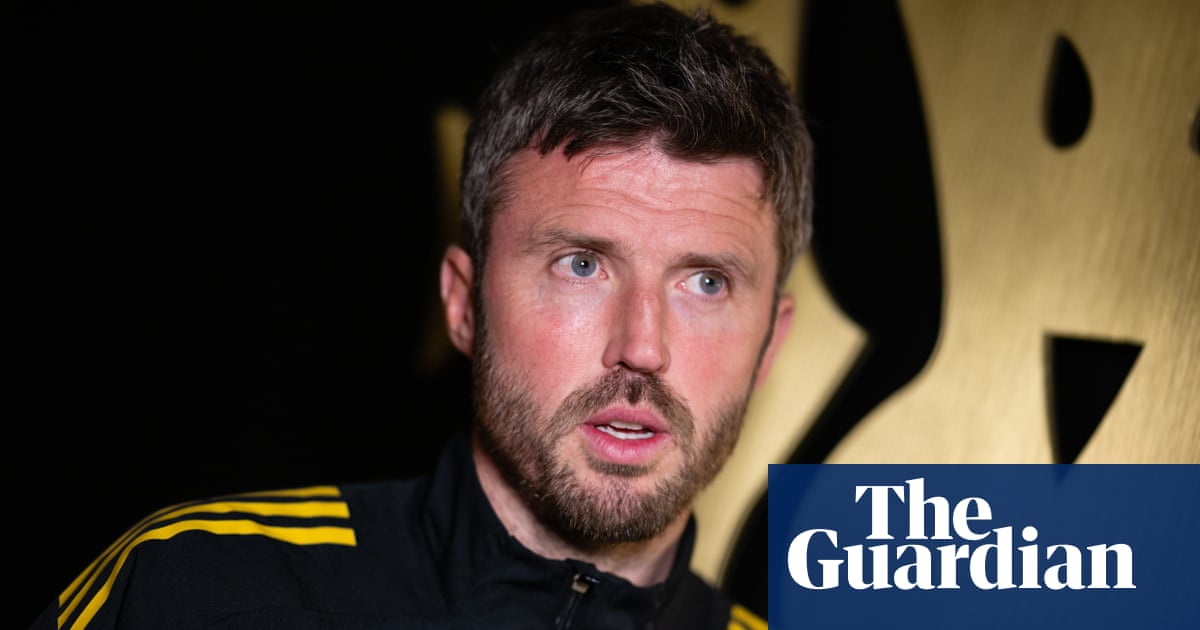
Carrington is currently the quietest it has been in half a decade. Under Michael Carrick, the frantic, reactionary energy that defined the previous three regimes has been replaced by a methodical, almost metronomic approach to training and match preparation. Yet, as The Guardian reported today, the club hierarchy is still hesitating to pull the trigger on a permanent contract.
It is a strange paralysis. Since taking the reins in February, Carrick has overseen an upturn in form that has dragged United back into the elite conversation, yet the executive team is determined to wait until the final whistle of the campaign. They are haunted by the ghosts of temporary fixes that turned into long-term mistakes, even if the evidence on the pitch suggests this is different.
The skepticism from the board likely stems from the fear of a 'new manager bounce' masquerading as a tactical revolution. They are looking for structural proof that Carrick is a long-term architect rather than just a skilled firefighter. This weekend's fixture serves as the ultimate litmus test before the Champions League semi-finals begin on April 28.
The geometry of the Carrick reset
Tactically, Carrick has performed a surgical intervention on United’s build-up play. Where his predecessor favored a chaotic, vertical transition game that left the midfield vacated, Carrick has introduced a rigid 3-2-5 structure in possession. This isn't just about safety; it is about controlling the 'rest defense' to ensure United are never exposed to the counter-attacks that plagued their autumn.
By dropping the left-sided fullback into a temporary back three and pushing the opposite wing-back high, Carrick has created a box midfield that overloads central areas. We saw this executed to perfection in the 3-1 victory last weekend, where the opposition's mid-block was rendered obsolete by the constant lateral movement of the two 'number sixes'.
The impact on individual metrics is undeniable. Kobbie Mainoo is no longer required to cover 12 kilometers of grass just to plug gaps; he is now stationed in a ten-yard radius where his vertical passing can actually hurt teams. United’s average pass completion in the final third has climbed to 84%, a significant jump from the erratic 72% seen earlier this winter.
The fragility of the unbeaten run
However, no tactical shift is without its fault lines. For all the control Carrick has instilled, United still struggle when the game state dictates a high-intensity man-marking press. There is a lingering suspicion that the current squad lacks the explosive acceleration to bypass teams that are willing to go one-on-one across the pitch for ninety minutes.
The club’s executive team is yet to decide if Michael Carrick should be offered the manager’s position on a full-time base despite the upturn in form.
Critics point to the 60-minute mark as United’s danger zone. When fatigue sets in, the precision of the box midfield often falters, and we see a return to the long-ball desperation of old. Carrick has yet to prove he has a 'Plan B' that doesn't involve simply substituting like-for-like players and hoping the rhythm remains the same.
The defensive line, while better protected, still sits deeper than elite modern standards require. By defending in a low block for extended periods, United are essentially inviting pressure and betting on their goalkeeper's reflexes. It is a high-wire act that might work against mid-table opposition but could be fatal in the upcoming European ties.
What to watch for this weekend
Expect Carrick to name an unchanged side, sticking to the stability that has defined his interim tenure. The key duel will be in the half-spaces. Watch how the inside forwards tuck in to create passing lanes for the overlapping fullbacks; if the opposition fails to track these diagonal runs, the game could be over by halftime.
There is also the question of squad rotation. With the UCL semi-finals just six days away, Carrick faces the classic manager’s dilemma: does he rest his pivots to ensure they are fresh for Tuesday, or does he keep them on the pitch to maintain the momentum that is keeping his job prospects alive? It is a gamble that will define his tactical legacy at the club.
The executive box will be watching specifically for how the team handles defensive transitions. If United get caught high and wide even once, the 'interim' label will likely stay fixed until the summer. The margin for error at this level is non-existent, and Carrick knows his CV is being graded on every misplaced pass in his own half.
A prediction rooted in pragmatism
Manchester United will likely dominate the ball, maintaining roughly 60% possession, but the scoreline will be closer than the performance suggests. Carrick’s United doesn't blow teams away; they suffocate them slowly, waiting for the structural breakdown that inevitably comes from ninety minutes of chasing shadows.
I expect a professional 2-0 win, with the second goal coming late as the opposition chases an equalizer. This result won't be enough to force the board's hand today, but it will make it increasingly difficult for them to justify looking elsewhere. The quiet revolution is working, even if the men in suits aren't ready to admit it.
Ultimately, Carrick is a coach who understands that football is a game of angles and patience. If he can survive the next 17 days without a collapse, he will have earned the right to lead this club into the 2026/27 season. The board is waiting for a reason to say no; it is up to Carrick to ensure they never find one.