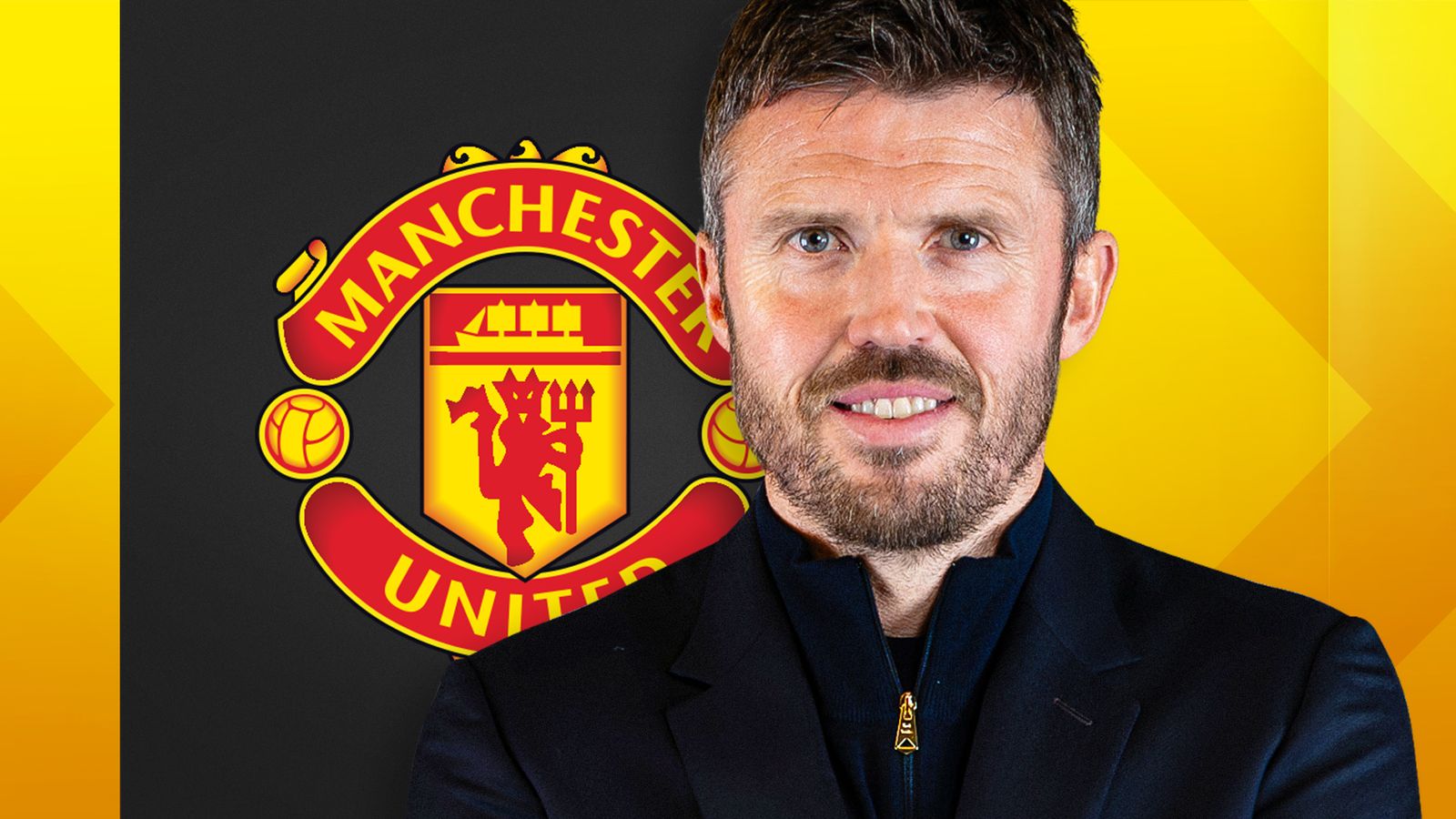
Why Michael Carrick is the tactical fix Manchester United finally agreed on

The End of the Interim Hesitation
Manchester United executives have spent months paralyzed by indecision. The shadow of the interim manager looms large at Old Trafford. It is a club historically burned by handing out permanent contracts based on temporary emotional lifts. You only have to look at their recent history to understand why the board delayed making a final decision on their next permanent manager. But the hesitation is officially over.
Michael Carrick, having quietly navigated the interim period, has reached an agreement to take the job full-time. The delay wasn't just administrative. It was a necessary tactical and structural evaluation. United needed to know if Carrick was merely a steadying presence or a manager with a defined, scalable system capable of challenging the elite. The reports indicating that an agreement has finally been reached, coupled with a specific first demand from the new permanent boss, suggest a massive shift in dynamic. He is no longer just holding the fort. He is beginning to dictate the terms of engagement.
Handing the reins to a former player always carries an inherent risk of sentimentality clouding judgment. But looking at Carrick's actual coaching body of work reveals a very modern, heavily structured approach to possession football. This isn't about passion or understanding the fabric of the club. It is about coaching precise passing patterns and maintaining strict positional discipline.
The Asymmetric Build-Up
When assessing Carrick’s managerial profile, you have to look past his stoic touchline demeanor. His teams do not play passive or reactive football. The base formation on the team sheet is almost always a standard 4-2-3-1. But modern formations are just defensive starting points. What actually matters is the shape in possession, and Carrick is incredibly rigid in his requirements for build-up play from the back.
He demands an asymmetric backline the moment his goalkeeper secures the ball. One full-back is instructed to tuck in alongside the two centre-backs to form a temporary back three. During his successful stint at Middlesbrough, this was almost exclusively the right-sided defender. The opposite full-back is then given the license to bomb forward, providing natural width high up the pitch on the left flank.
This rotation smoothly transitions the team into a 3-2-5 attacking shape. It is a structure heavily heavily influenced by the current tactical meta in the Premier League. The goal is to overwhelm the opposition's defensive line by occupying all five vertical channels across the pitch simultaneously. The left-sided winger drops inside into the left half-space, operating essentially as a second number ten. Meanwhile, the right winger stays wide with his boots on the touchline to stretch the play horizontally.
This requires immense technical security from the double pivot. The two central midfielders are the engine room of Carrick's entire philosophy. They must be comfortable receiving the ball on the half-turn while facing their own goal, under intense pressure. If the pivot cannot dictate the tempo and break the first line of the opposition press, the entire asymmetric structure collapses into slow, predictable U-shaped passing around the back.
Defining the First Demand
This brings us to the most interesting detail emerging from the agreement. Carrick has reportedly made his first demand to the United hierarchy. While the exact specifics remain behind closed doors, analyzing his system makes it glaringly obvious what a manager of his profile requires to succeed at the highest level.
Tactically, his system lives and dies by the quality of the deepest midfielder. Carrick, arguably the best English tempo-setter of his generation, builds his teams around a player who can replicate his own historical output. He needs a number six who possesses elite spatial awareness and the passing range to switch the play to the isolated winger in an instant. If his demand is related to player recruitment, it is almost certainly a veto over midfield signings. He cannot implement a 3-2-5 structure if the central midfielders are prone to turning the ball over in the middle third.
Alternatively, the demand could be structural. Modern managers require full alignment with the sporting director and the recruitment department. Interim managers have to accept the squad they are given. Permanent managers with tactical conviction demand that the recruitment profile matches their specific positional requirements. Carrick knows that trying to play intricate positional play with squad players suited for a low-block transition game is a recipe for getting sacked by Christmas.
Vulnerabilities in Transition
No tactical system is without flaws, and Carrick's approach carries significant inherent risks. The necessity for a critical, negative observation is easily fulfilled when you watch how his teams defend counter-attacks. The transition from a fluid 3-2-5 back into a solid defensive shape is often where his teams are exposed.
Because one full-back is pushed incredibly high to provide width, the space left behind them is massive. If the opposition wins the ball in the central third and bypasses the initial counter-press, that vacated channel becomes a gaping wound. Carrick relies on his tucked-in full-back and the deepest midfielder to slide across and cover this space, but against elite Premier League wingers, this lateral shift is often too slow.
His teams can also struggle against aggressive man-to-man pressing systems. When the opposition decides to lock on to his double pivot and deny them any time on the ball, Carrick's build-up can look labored. He often lacks a reliable Plan B. If the short passing options are cut off, his teams are sometimes reluctant to play direct into the channels, leading to dangerous turnovers near their own penalty area. He demands patience from his players, but patience in the Premier League can quickly turn into fatal hesitation.
The Pressing Triggers
Out of possession, Carrick does not deploy a heavy, chaotic, high-pressing system like Jurgen Klopp's peak Liverpool. Instead, he favors a much more measured, mid-block approach. He wants his team to maintain a compact shape, usually dropping into a 4-4-2, with the number ten pushing up alongside the central striker.
They do not press the opposition centre-backs relentlessly. Instead, they use specific triggers. The press is usually initiated only when the opposition plays a pass into the full-back area, or if a central midfielder takes a heavy touch facing his own goal. Once the trigger is activated, the intensity spikes. The near-side winger jumps to press the ball carrier, while the central midfielders step up aggressively to cut off the short passing lanes.
This mid-block strategy is designed to protect the central areas of the pitch and force the opposition to play wide. It requires supreme concentration. One player jumping out of the shape prematurely can ruin the entire defensive structure. It is a thinking man's defensive system, heavily reliant on spatial awareness rather than pure physical exertion.
The Burden of Expectation
Taking the permanent job at Manchester United is an entirely different proposition to managing the team on an interim basis. As an interim, every victory is a bonus, and every defeat is blamed on the chaos left by the previous regime. Carrick has navigated that period well enough to convince the executives to hand him the keys.
But the grace period ends the moment the ink dries on that permanent contract. The expectation shifts immediately. He is no longer being judged on simply stabilizing the dressing room; he will be judged on his ability to implement his complex tactical vision against the best managers in the world.
He has the structural ideas. His asymmetric possession game is modern and effective when executed correctly. But the true test will be his adaptability. Can he tweak his system when the opposition figures out how to expose the space behind his advanced full-back? Can he demand the right profile of players from a recruitment department that has historically been erratic? The agreement is in place. The demands have been made. Now, the actual tactical execution must begin.
The Mixer: The Story of Premier League Tactics, from Cantona to Guardiola
A must-read tactical deep dive into the history of modern English football.
Frequently Asked Questions
Why did Manchester United delay appointing Michael Carrick?
What formation does Michael Carrick use in possession?
How do the wingers operate in Carrick's tactical system?
What is the role of central midfielders under Michael Carrick?
Why is Carrick's permanent role a major shift for Man Utd?
More Coverage
Adam Wharton emerges as top summer target for Arsenal's midfield evolution
4 minutes ago
Manchester United’s Summer Obsession: Why Inconsistency Defines the Strategy
5 minutes ago
Liverpool chasing Yan Diomande in high-stakes €150m transfer scramble
5 minutes ago
Scotland’s path through group stage hinges on the Haiti opener
19 minutes ago
Manchester United are chasing ghosts with the Leao pursuit
an hour ago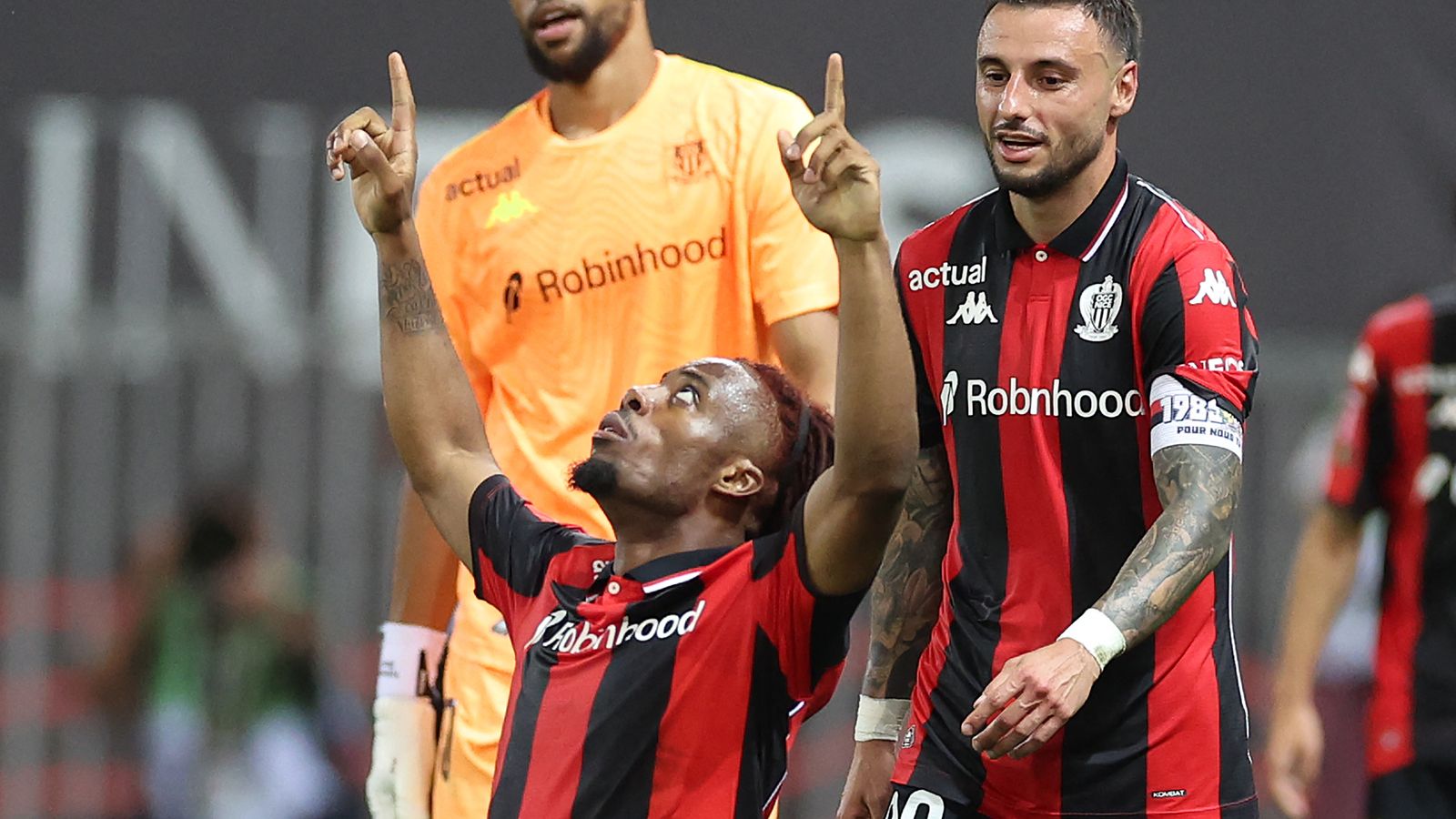
Nice saved their season, but 2026 demands a complete tactical reboot
an hour agoMore Analysis
Michael Carrick is set to become the permanent Manchester United manager
2 weeks ago
Michael Carrick has brought quiet to Old Trafford but the board remains unconvinced
1 month, 1 week ago
Michael Carrick is fixing the tactical mess at Manchester United
3 weeks, 1 day ago
Tactics over talk: Why Michael Carrick must get the Man United job
2 months ago
Michael Carrick is the right gamble for Manchester United
2 weeks, 1 day ago