Referee crisis hits FIFA
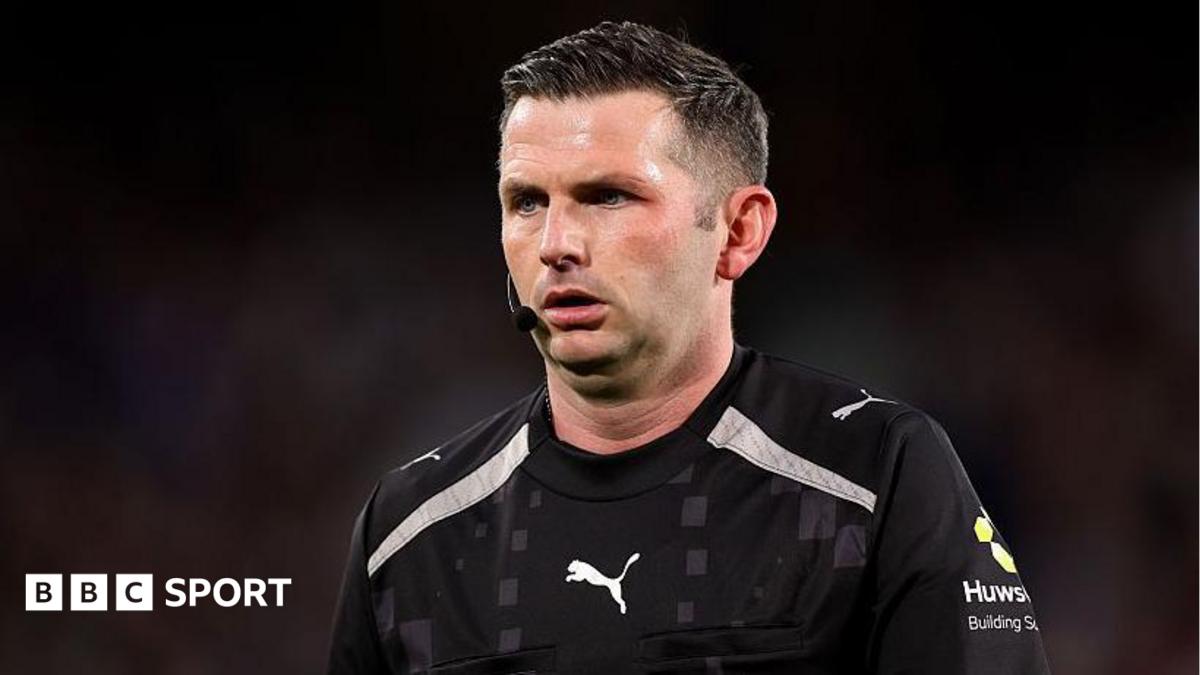
The officiating roster for the 2026 World Cup took a hit today. English referee Michael Oliver has been ruled out of the upcoming group stage fixture between Ivory Coast and Ecuador due to an undisclosed injury.
This absence creates a logistical ripple effect for the tournament organizers. FIFA officials are now scrambling to finalize a replacement for a match that carries weight for both Group G contenders. Sources confirm that the assessment occurred late yesterday, leaving little lead time for the officiating committee to adjust.
The physical toll of modern officiating
While the focus is usually on the twenty-two players on the grass, the physical exhaustion of officiating has become a hidden narrative of this tournament. Referees are clocking elite levels of high-intensity running to keep up with the pace of play. Matches in this World Cup have been characterized by extended stoppage times and constant transitions.
History shows that sideline decisions often face increased scrutiny when replacements are rushed in. When lead officials are forced out, the chemistry of the entire VAR and assistant referee crew is impacted. The rhythm of a game relies heavily on the officiating team's familiarity with one another.
Strategic implications for Group G
The match between Ivory Coast and Ecuador is pivotal. With qualification spots tight, refereeing consistency is the difference between a tactical defensive slog and a high-scoring thriller. Any shift in officiating style, forced by this injury, carries a risk of disrupting the flow for teams that have already spent weeks training under specific interpretations of tournament rules.
FIFA has a depth chart, but it is not infinite. Pulling a standby official in at the eleventh hour moves the pieces on the board for other upcoming fixtures. It forces secondary officials into primary roles before they have had the chance to settle into the tournament environment. This is the kind of administrative scramble the governing body historically struggles to handle without public friction.
Past precedents and tournament health
We saw similar officiating turbulence during the 2022 tournament. When key referees go down, the standard of officiating often dips because the secondary tier lacks the direct match fitness of those selected for the opening rounds. The league-to-tournament transition is brutal on officials just as it is on players.
Managing referee fatigue is a structural blind spot. Officials often fly between host cities with the same frequency as the teams, yet they lack the massive recovery support of professional squads. This injury might be the catalyst for a broader conversation about how officiating staff should be managed across a three-country tournament span. Without significant changes to the rotation protocol, expect more mid-tournament substitutions in the officiating ranks as the hot weather and high-pressure match environment take their toll on the referees' conditioning.
Fans should monitor the announcement for the final referee designation closely. The replacement's past track record regarding yellow card frequency and penalty box assessment will provide a clearer picture of how this specific game might be officiated. A referee with more lenient tendencies could turn this contest into an end-to-end sprint, whereas a strict disciplinarian might see the game decided by set pieces and cautions.
Read Next
- FIFA World Cup 2026: The injury report early in tournament play
- Michael Oliver benched before he even blows a whistle
- Top 10: Defining Moments of the 2026 World Cup Opening Week
- Why the Azteca renaming signals a shift in World Cup identity
- 🏆 World Cup 2026 — Full Coverage Hub
- 🇨🇮 Ivory Coast World Cup 2026 — Les Éléphants Hub
- 🇪🇨 Ecuador World Cup 2026 — La Tri Hub