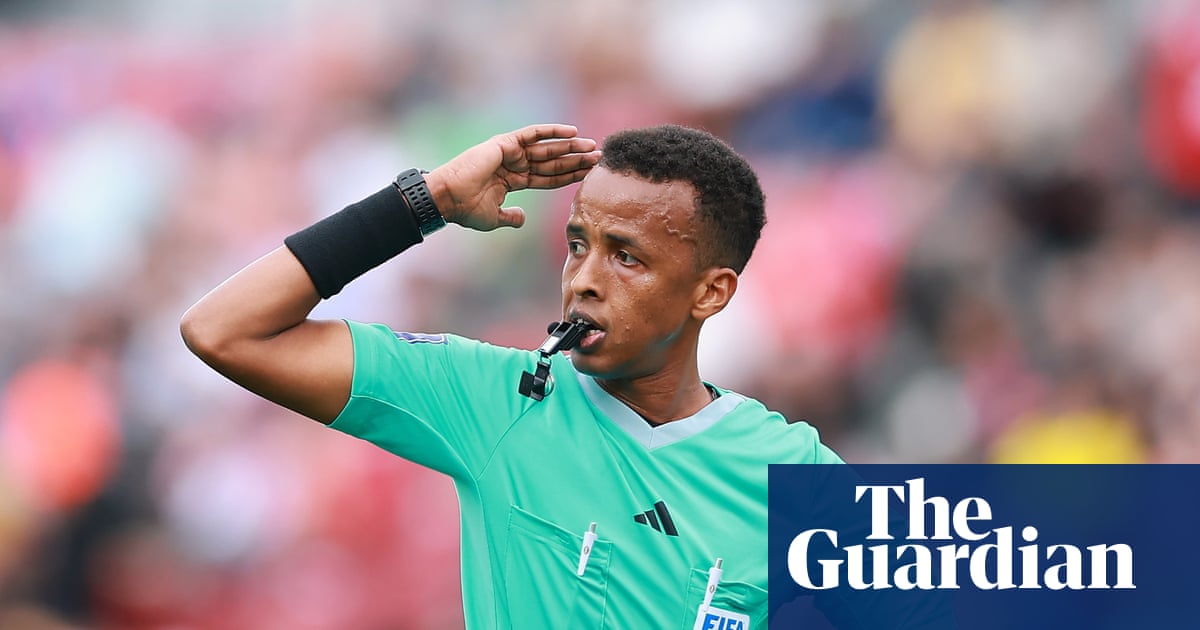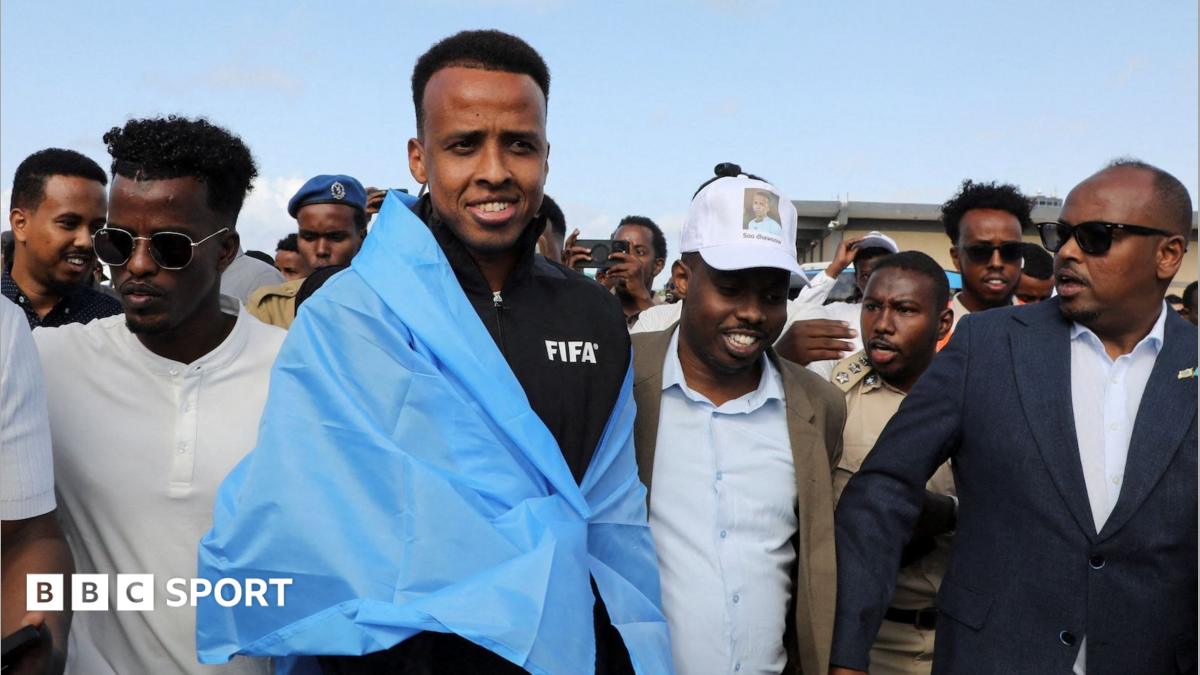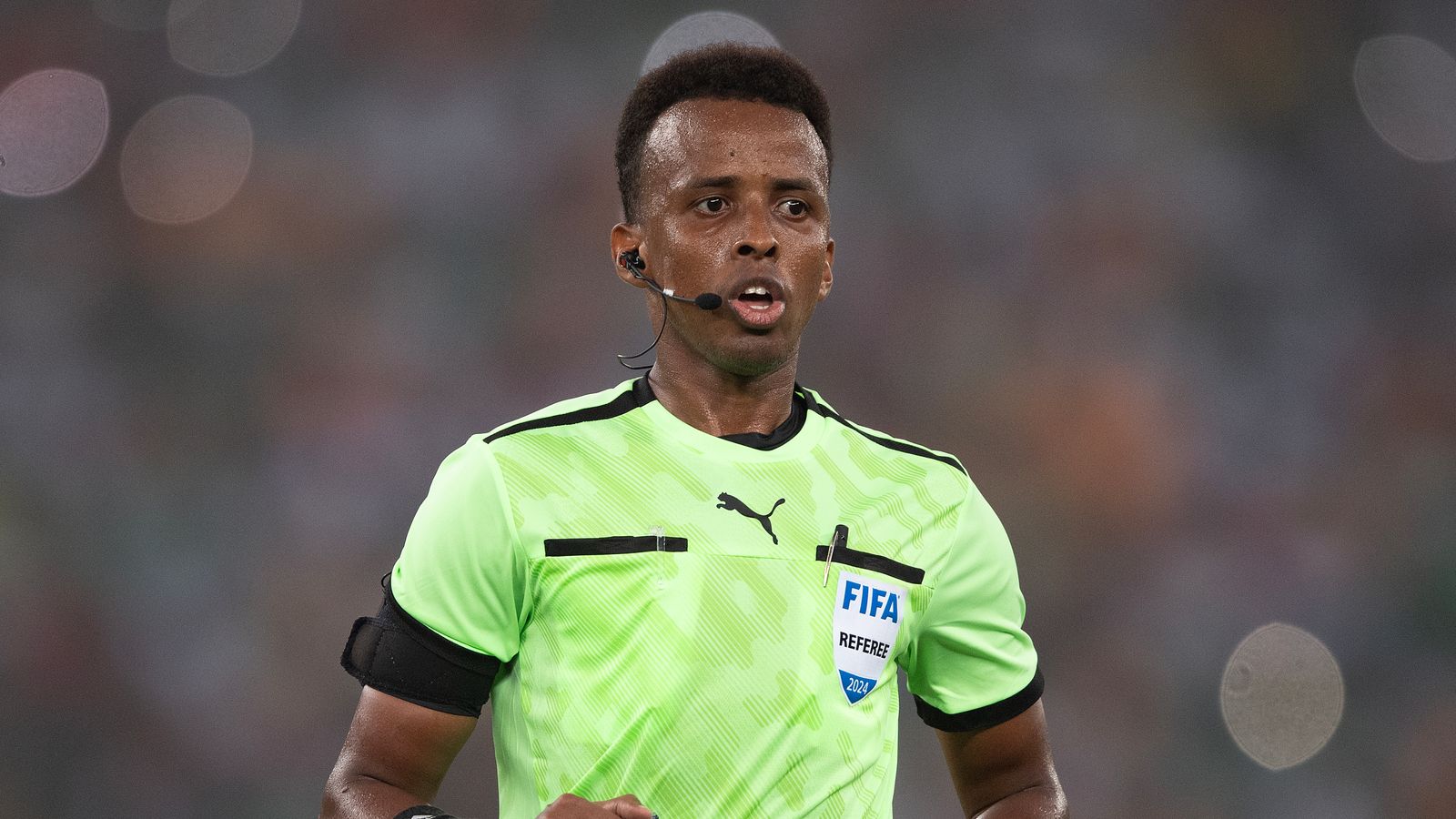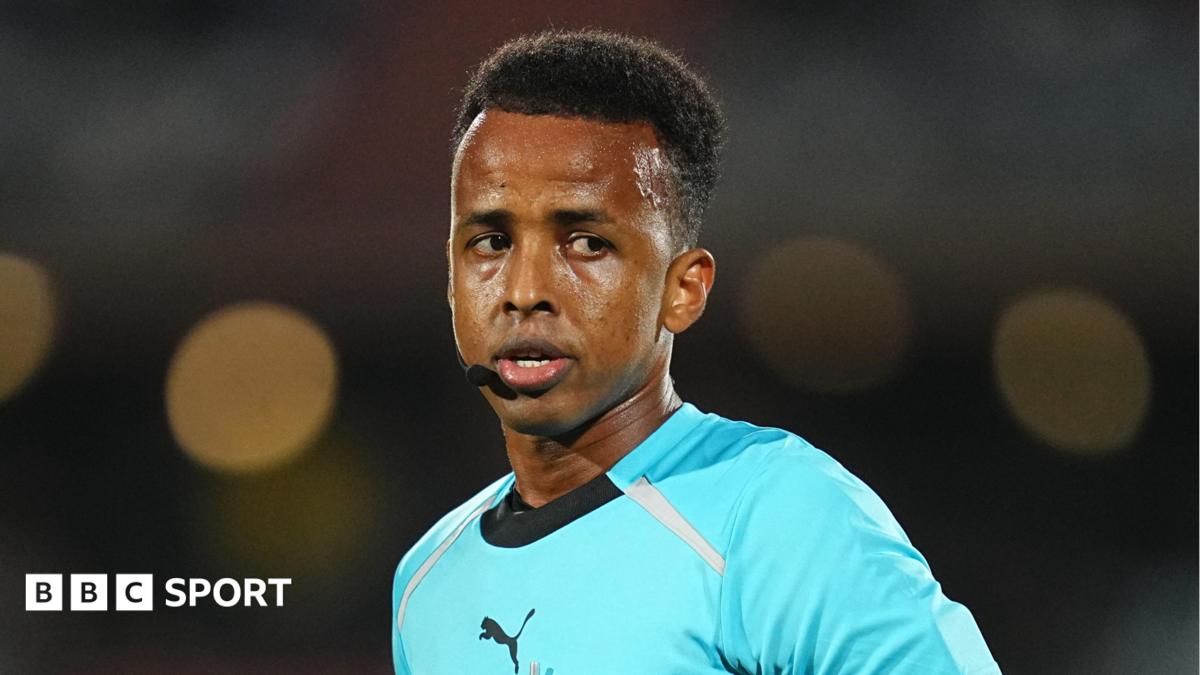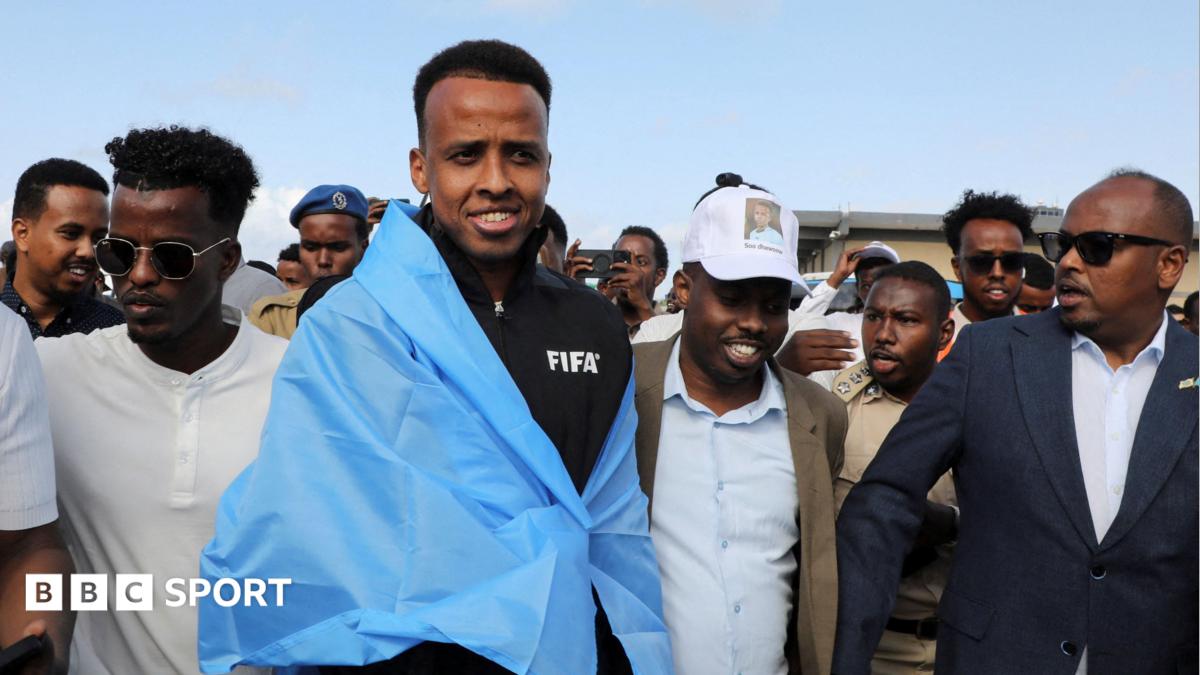
Referee Omar Artan ruled out of 2026 World Cup amid US entry ban
FIFA officiating suffered a major blow 24 hours before the 2026 World Cup kickoff as Somali referee Omar Artan was denied entry into the United States. FIFA confirmed the official is returning to Somalia following the administrative block, leaving a significant vacancy in the tournament’s match-day roster.
The restriction prevents Artan from participating in any official capacity during the North American tournament. The move creates operational friction for the referee pool, which relies on a specific sequence of appointments to maintain consistency throughout the group stages.
The logistics behind the sudden exit
Artan’s absence forces FIFA to shuffle its reserve list just as the opening match approaches. With the tournament structure requiring 96 matches across 16 cities, the margin for error in staffing is razor-thin. Officials usually operate in tight-knit trios with standardized fitness coaching regimes, meaning a late substitution rarely keeps the rhythm intact.
While the governing body keeps a deep bench for injury replacements, losing a high-profile referee to visa complications is an outlier. Most injuries involve soft tissue strain or cardiovascular fatigue that keeps officials off the pitch for the typical 3 to 6 weeks required for mid-season recovery. This is not a physical limitation, but a regulatory one.
Historical context of officiation disruptions
Referee availability has historically been dictated by physical fitness testing and performance metrics. During the 2022 tournament, several officials were rotated due to mid-event fatigue caused by the intense heat schedules. However, a full removal due to national-level entry barriers is uncommon in modern FIFA operations.
When officials are unavailable, FIFA usually promotes fourth officials or VAR specialists into rotating positions. This often leaves the middle of the pitch managed by less experienced crews. Teams generally prefer officials with extensive VAR communication history, as communication breakdowns often lead to the 2 to 4 minutes of VAR review time fans despise.
Stated ambitions and long-term consequences
Artan has publicly stated his intent to shift focus toward the 2030 tournament cycle. This public vow signals a desire to maintain professional standing despite the current blockage. Yet, missing a home-continent event of this magnitude inevitably impacts his candidacy for high-stakes knockout rounds in upcoming continental competitions.
The lack of transparency regarding the specific nature of the entry ban raises questions for the rest of the pool. Should political travel restrictions influence international tournament appointments, FIFA may face a future where recruitment is geographically tethered to host nation visa policies. This is a bad look for a global tournament attempting to project neutrality.
Strategic implications for tournament flow
The immediate impact is a thinner roster. A referee pool of this size usually features roughly 35-40 primary officials. Losing one person shifts the workload balance, forcing remaining officials to handle more matches on shorter turnaround times. This increase in matches per official increases the probability of physical injuries later in the group stages.
Fitness protocols demand at least 4 days of recovery between high-intensity matches. If the workload becomes uneven, fatigue errors during the 70th-minute mark—a frequent window for controversial decisions—will likely rise across the board. The tournament organizers now have to manage not just the logistics of travel, but the potential exhaustion of their primary officials.
Critics point to the lack of early coordination between regional government bodies and FIFA as a primary oversight. Establishing entry protocols for all participating personnel is a standard requirement for major events. If this occurred during the final stages of a knockout bracket, the resulting outcry regarding integrity would be massive.
For now, match-day one proceeds with a void in the middle of the field. FIFA officials have yet to name a direct replacement for Artan’s specific matches, opting instead to shuffle the current rotation. Expect fewer rested referees and more stress on the VAR command center as the tournament progresses through these initial constraints.