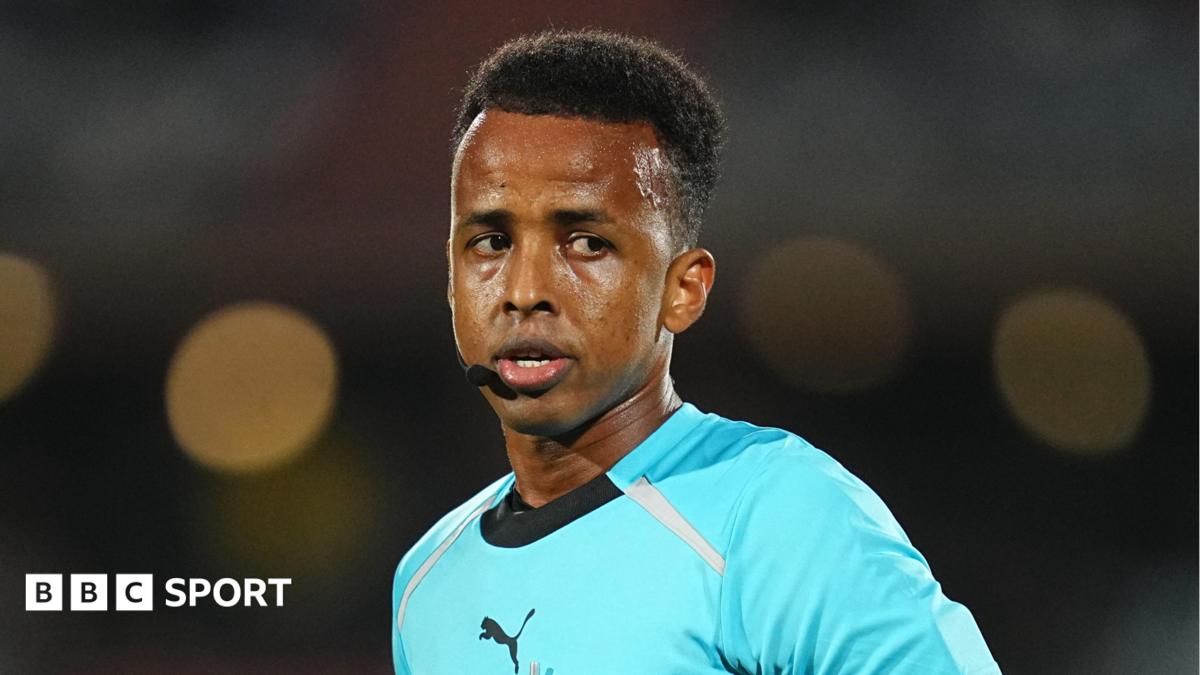
The Officiating Shake-up in Philadelphia
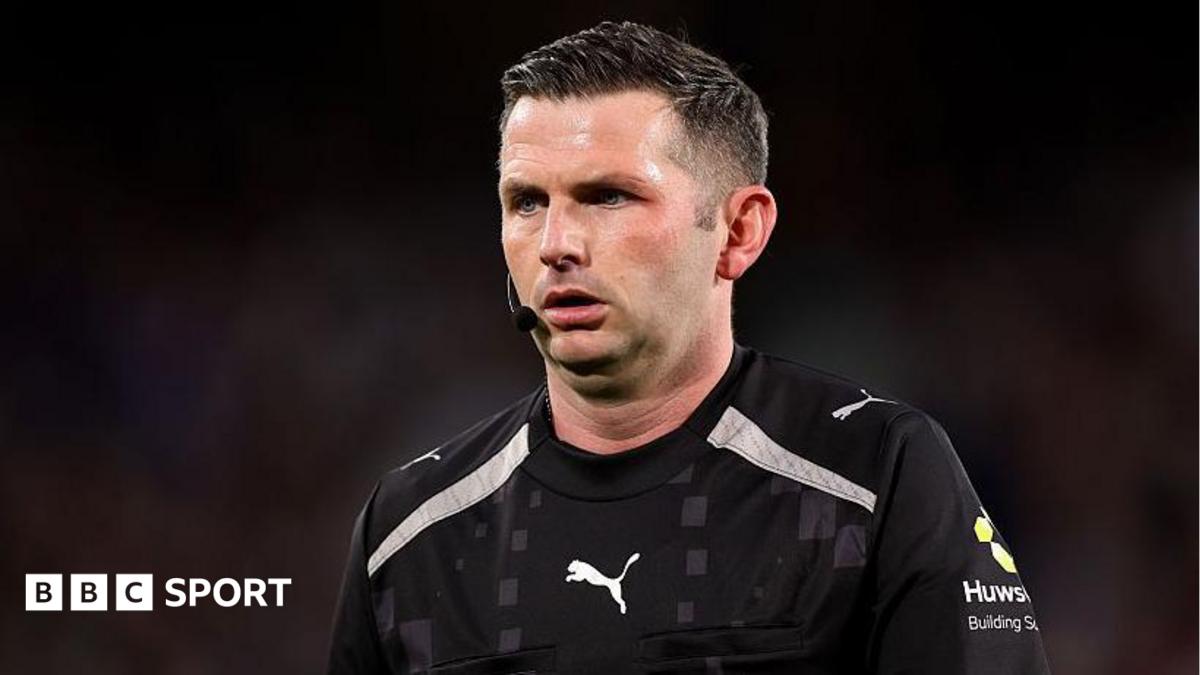
The build-up to tonight's Group E opener between Ivory Coast and Ecuador encountered a sudden personnel shift. English official Michael Oliver has withdrawn from the match, removing a high-profile referee from one of the opening round's most sensitive fixtures. The replacement process for such late changes follows standard FIFA protocols, yet the move forced a scramble behind the scenes.
The Impact on Match Dynamics
Officiating continuity carries weight in the high-stakes environment of a World Cup. Referees set the tone for how physical challenges are adjudicated, and a sudden change of personnel just hours before kickoff creates an immediate adjustment period for both the Ivory Coast and Ecuador squads. While FIFA maintains a pool of elite officials for these scenarios, losing a veteran like Oliver is a net negative for the quality of mid-game flow management.
As FourFourTwo reported, the sudden absence forces a ripple effect throughout the officiating crew assignments. This isn't the first time a major tournament has seen late referee changes, but in the digital era of the 2026 tournament, the scrutiny on officiating decisions is higher than ever. Coaches prepare their squads with specific referee tendencies in mind, and losing that predictability creates a tactical blind spot.
Broader Implications for Tournament Officiating
The withdrawal highlights the vulnerability of the officiating roster. With FIFA relying on a concentrated group of top-flight referees, any singular absence creates a domino effect. If the bench of reserve officials lacks the experience of a primary like Oliver, we often see a tightening of the whistle—a caution-heavy approach that can ruin the spectacle of an opener.
History suggests that substitution referees often face a harsher spotlight. During the 2022 campaign, late officiating changes were met with fierce social media blowback whenever a controversial VAR check occurred. Officials are human, but the modern expectation is 100% accuracy. When the original designated referee is removed for medical or personal reasons, the backup does not get the luxury of a settling-in period.
Strategic Fallout
Both teams, Ivory Coast and Ecuador, are looking at this game as a massive opportunity to secure early points in a wide-open Group E. As noted by recent industry analysis, neither side has extensive recent World Cup pedigree, meaning every advantage is exploited. A referee switch alters the game state, specifically regarding how players like Yeboah—who has already been active—interact with challenges in the final third.
The scheduling pressure is immense, with kick-off set for 7pm ET. FIFA's logistics team must now ensure the replacement official is fully prepped on the match-specific scouting reports provided by the original crew. Missing a top-tier referee in a opening group game acts as a disruption that teams must account for on the fly.
The Critical View
The lack of transparency regarding the reason for Oliver's withdrawal is standard, yet frustrating for fans tracking the integrity of the tournament. While medical privacy is absolute, the late notice effectively blindsides the pre-match preparation cycles of both national teams. Managing a global event like this requires better redundancy measures to prevent the chaos of last-minute roster adjustments.
The focus now shifts back to the pitch in Philadelphia. With Amad starting on the bench according to Sky Sports updates, Ivory Coast is clearly managing their own squad health. The officiating change remains a subplot, but in a game where goals have been scarce for some teams in the tournament, a whistle-happy replacement could define the result by the 90th minute.
Read Next
- Mohamed Salah is carrying an impossible weight at this World Cup
- England entering the World Cup with O'Reilly as a wild card
- Germany’s Houston clinic exposes the gaps in the Curacao dream
- Scotland survived Haiti but the Morocco test is a different beast
- 🏆 World Cup 2026 — Full Coverage Hub
- 🇨🇮 Ivory Coast World Cup 2026 — Les Éléphants Hub
- 🇩🇪 WC 2026 Group E — Germany, Ecuador, El Salvador, Serbia
- 🇪🇸 WC 2026 Group H — Spain, Uruguay, Ivory Coast