The long-term play
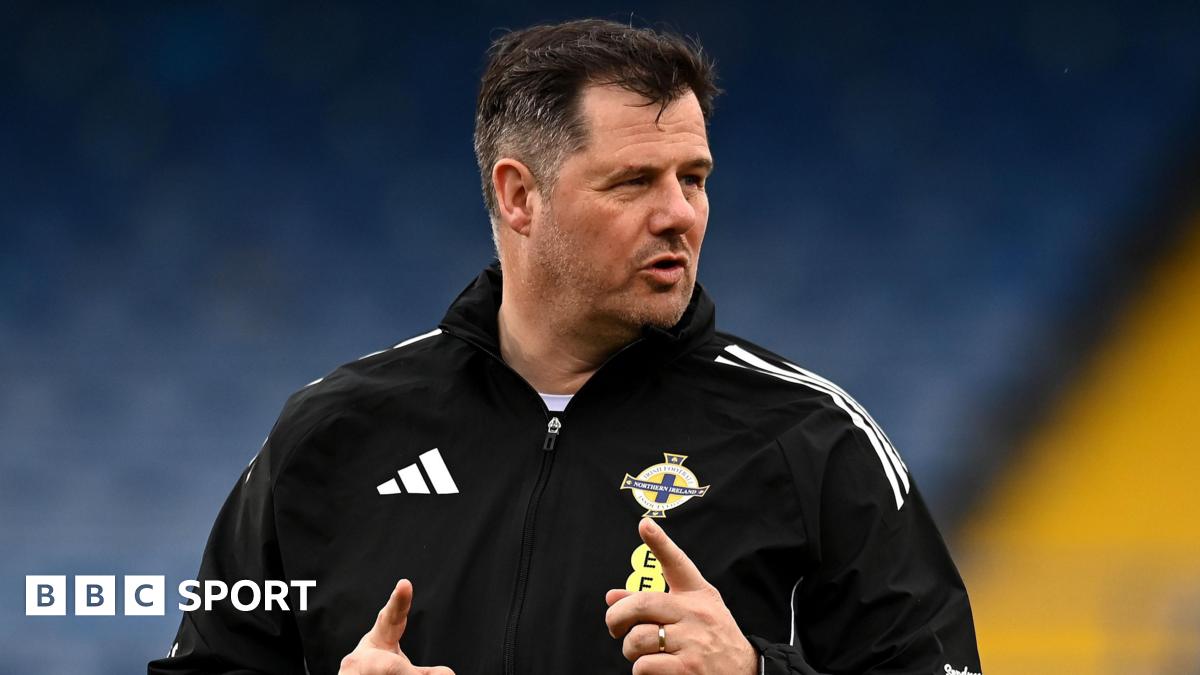
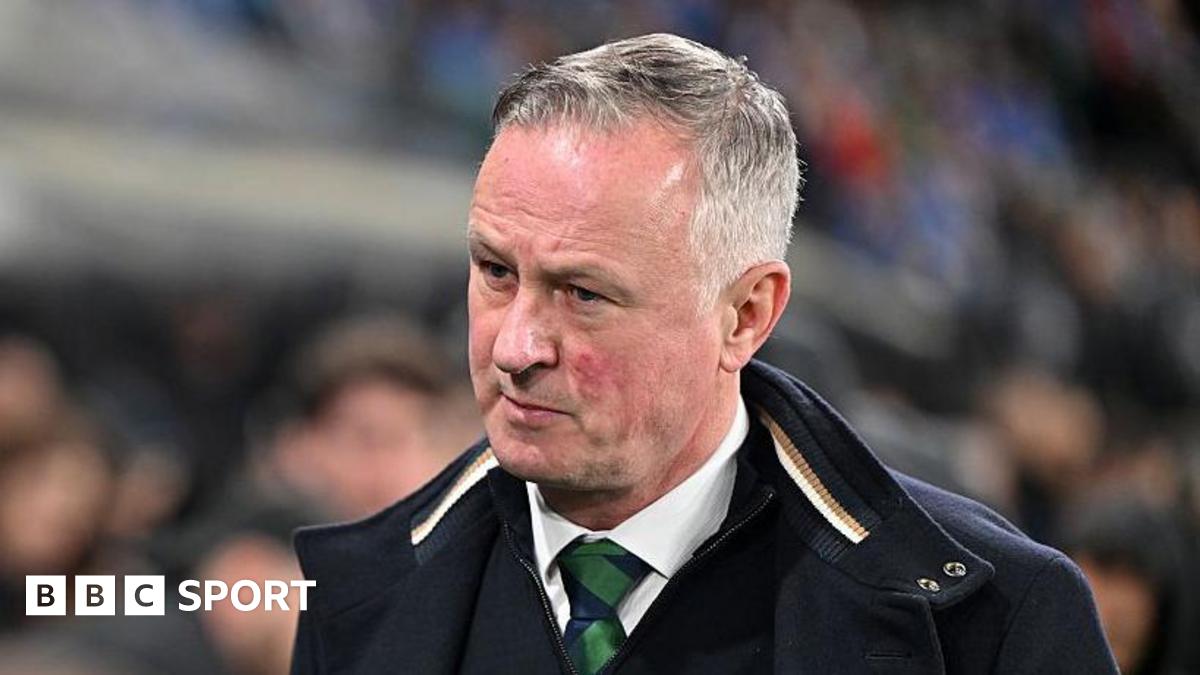
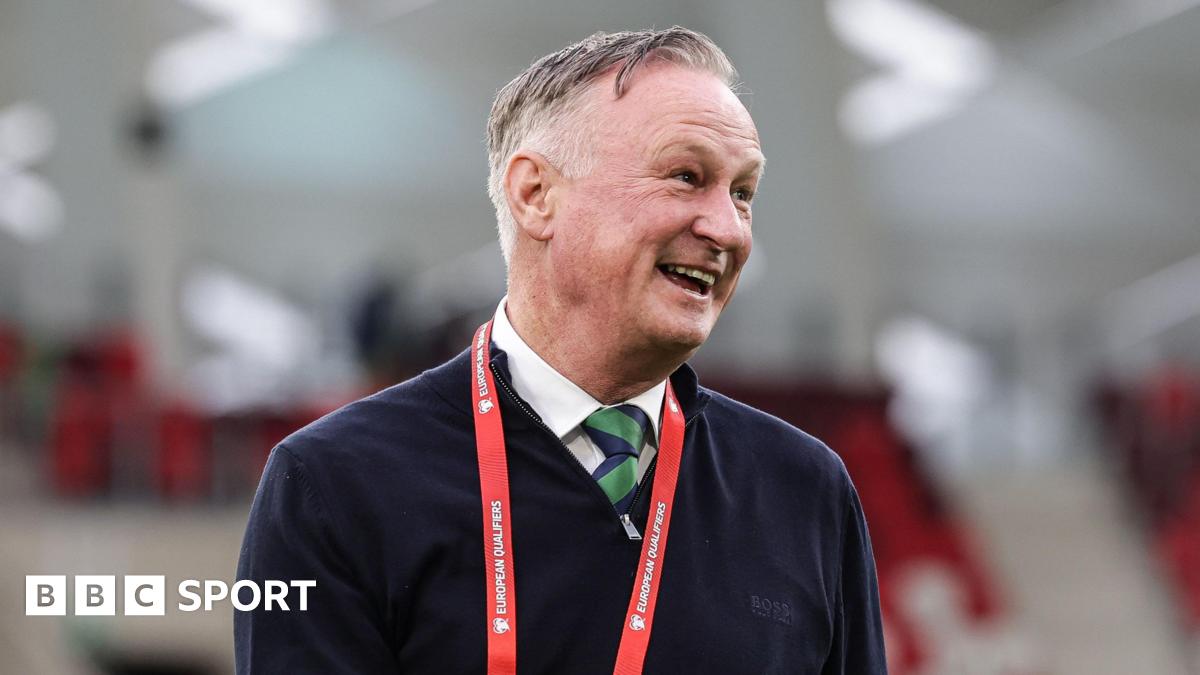
Michael O'Neill just solidified his status as the cornerstone of the Irish Football Association. As the BBC reported, the manager has committed his future to Northern Ireland through 2032. This four-year extension effectively kills off any speculation linking him to vacant club roles.
International football frequently turns into a revolving door for underperforming managers. By locking in a deal that runs until 2032, both the IFA and O'Neill are signaling a preference for institutional continuity over the chaos of constant turnover. It provides a rare safety net in a notoriously volatile industry.
Tactical considerations
O'Neill has consistently squeezed maximum output from a limited talent pool. His tactical reliance on a flexible 3-5-2, which often shifts into a defensive 5-3-2 in low blocks, has defined his tenure as Sky Sports noted in their coverage of the extension. He prioritizes structural integrity over expansive, high-pressing systems that would expose his squad’s lack of acceleration.
The criticism of this approach is obvious: the lack of a creative pivot. Northern Ireland often struggles to recycle possession against teams that press with any degree of technical proficiency. Watching their transition play can be exhausting, as passes frequently bypass the engine room in favor of hopeful long balls into the channels.
Market impact
This news serves as a massive dampener for Championship clubs looking for a steady hand in the dugout. Managers of O'Neill's profile are usually the first names on a list when a mid-table side panics after a poor start. That vacancy risk is now completely off the table.
For the players, the message is clear. O'Neill isn't auditioning for a move to a bigger budget club. He is doubling down on the current squad, which suggests he is genuinely invested in the project of rebuilding the team's identity over the next four years. It prevents the distraction of constant transfer rumors centered around his own future.
Risk assessment
Is this extension too long given the modern pace of the sport? Locking anyone in for eight years is inherently risky. If the results stagnate through the upcoming qualifiers, the severance package required to move him on becomes a massive financial anchor for the association. The financial health of national bodies is rarely robust enough to survive multiple unsuccessful cycles.
However, the stability factor outweighs those concerns for a nation like Northern Ireland. They need a figurehead who understands the constraints and knows how to hide the cracks. O’Neill has built that political capital through his previous results and deep familiarity with the academy pathways.
Expected legacy
If O'Neill completes this term, he will have spent over a decade influencing the trajectory of Northern Irish football. Beyond the league tables, he is tasked with integrating a younger cohort into a setup that is aging rapidly. Success here isn't measured in trophies, but in how many competitive points they can steal from higher-ranked opponents.
The focus now shifts back to the pitch. With the World Cup approaching in June, the squad at least knows who will be directing traffic behind the scenes. Clarity is the greatest asset in international football, and the IFA has finally secured it for the long term.
Read Next
- Czechia's path back to the World Cup is defined by resilience, not flair
- Wales face a massive reality check without their veterans
- Chelsea transfer fire sale leaves Palmer and Jorgensen in limbo
- Liverpool’s managerial chaos is a total embarrassment for FSG
- Northern Ireland at the 2026 World Cup — Full Coverage Hub