The transition into the post-Bale era
The Wales squad announcement arrived this morning, and the absence of familiar faces is finally hitting home. We are entering the second year of a project that feels more like a search for identity than a tactical evolution. Gone are the days when a Gareth Bale individual effort could mask structural flaws in the midfield.
Managerial stability has been the primary goal, but the current squad composition suggests the search for a creative hub remains unresolved. Aaron Ramsey remains the nominal leader, yet his fitness volatility over the last eighteen months forces the staff to look elsewhere. The reliance on transition play worked in the 2022 qualifying cycle, but opponents have since gathered enough film to neutralize those predictable long-ball sequences.
The central midfield liability
Looking at the current roster, the lack of a true holding midfielder who can dictate tempo against high-pressing sides is alarming. Throughout the recent friendlies, the team struggled to progress the ball past the first tier of pressure. Watching the progression metrics from the previous international window, the pass completion percentage in the opposition third dropped to a worrying 62 percent.
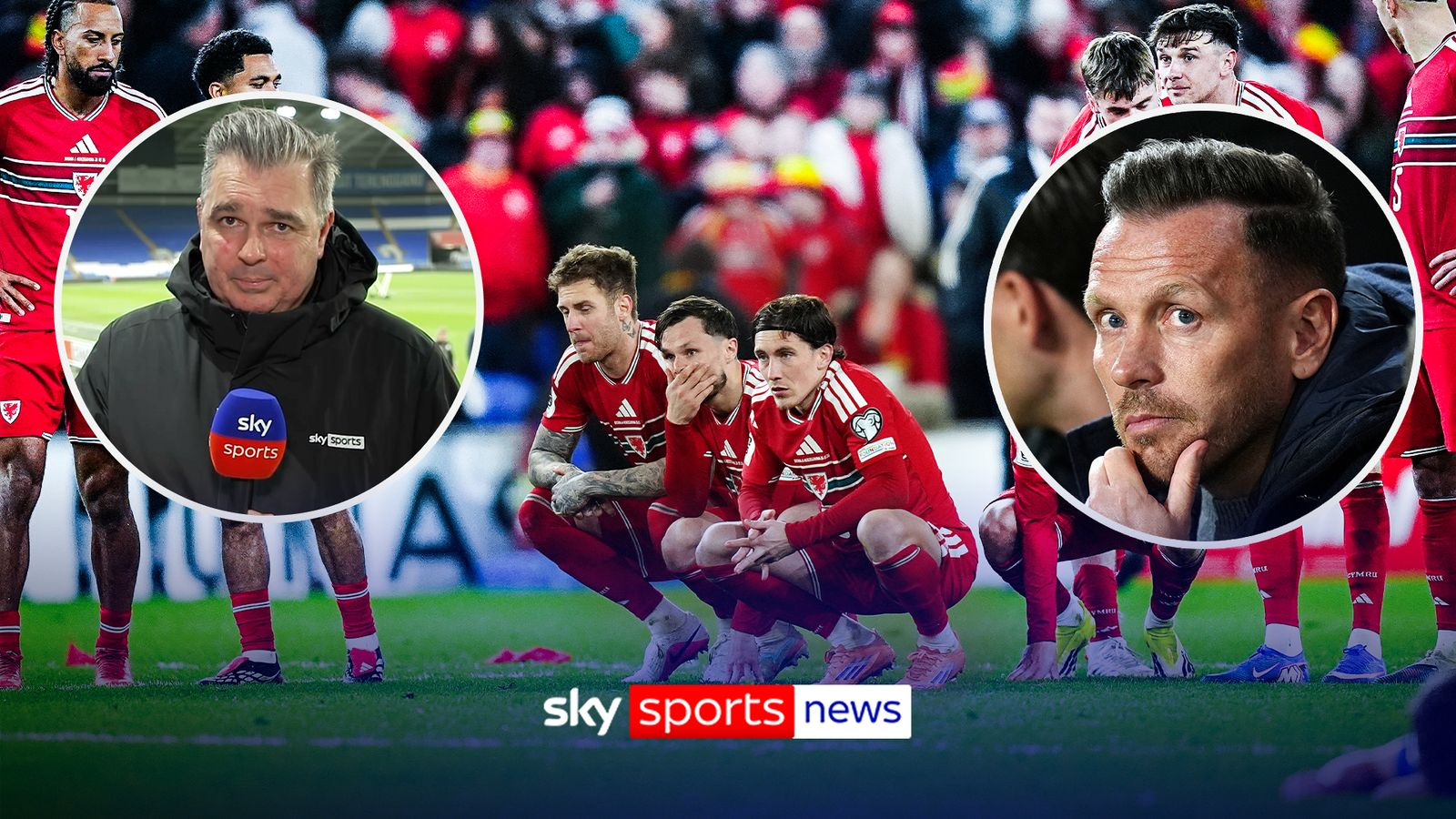
This isn't just about personnel gaps. It is about a lack of risk tolerance in the final third. When the latest Sky Sports updates highlight the inclusion of several younger players from the Championship, fans should temper their expectations. Promoting talent from the domestic second tier requires a transitional period that Wales simply hasn't permitted themselves.
Predicting the upcoming friendlies
The tactical setup needs to shift away from the rigid 3-4-3 that defined the Rob Page tenure if they want to maximize wide-play output. If they stick with the same wing-back heavy formation, the defensive vulnerability down the channels will continue to be exploited by competent wide forwards. Too many defensive rotations are forced by reactive positioning rather than proactive line-holding.
I expect the upcoming fixtures to follow a familiar, grinding pattern. The team will likely dominate possession against lesser-ranked opposition but struggle to manufacture high-quality chances against a low block. My call for the next window is a draw and a narrow win, provided they stop trying to over-index on long diagonal balls from the center-backs. If they don't find a way to integrate the attacking midfielders into the box by the 75th minute, these matches will be exercises in frustration.
The tactical setup needs to shift away from the rigid 3-4-3 that defined the Rob Page tenure.
The squad is talented enough to compete for a mid-tier ranking in Europe, but the lack of intensity in the final zone suggests they will finish the year with an underwhelming record of 3 wins and 4 losses. They are currently a team caught between two ideas, and until one vision takes hold, the results will remain stagnant.