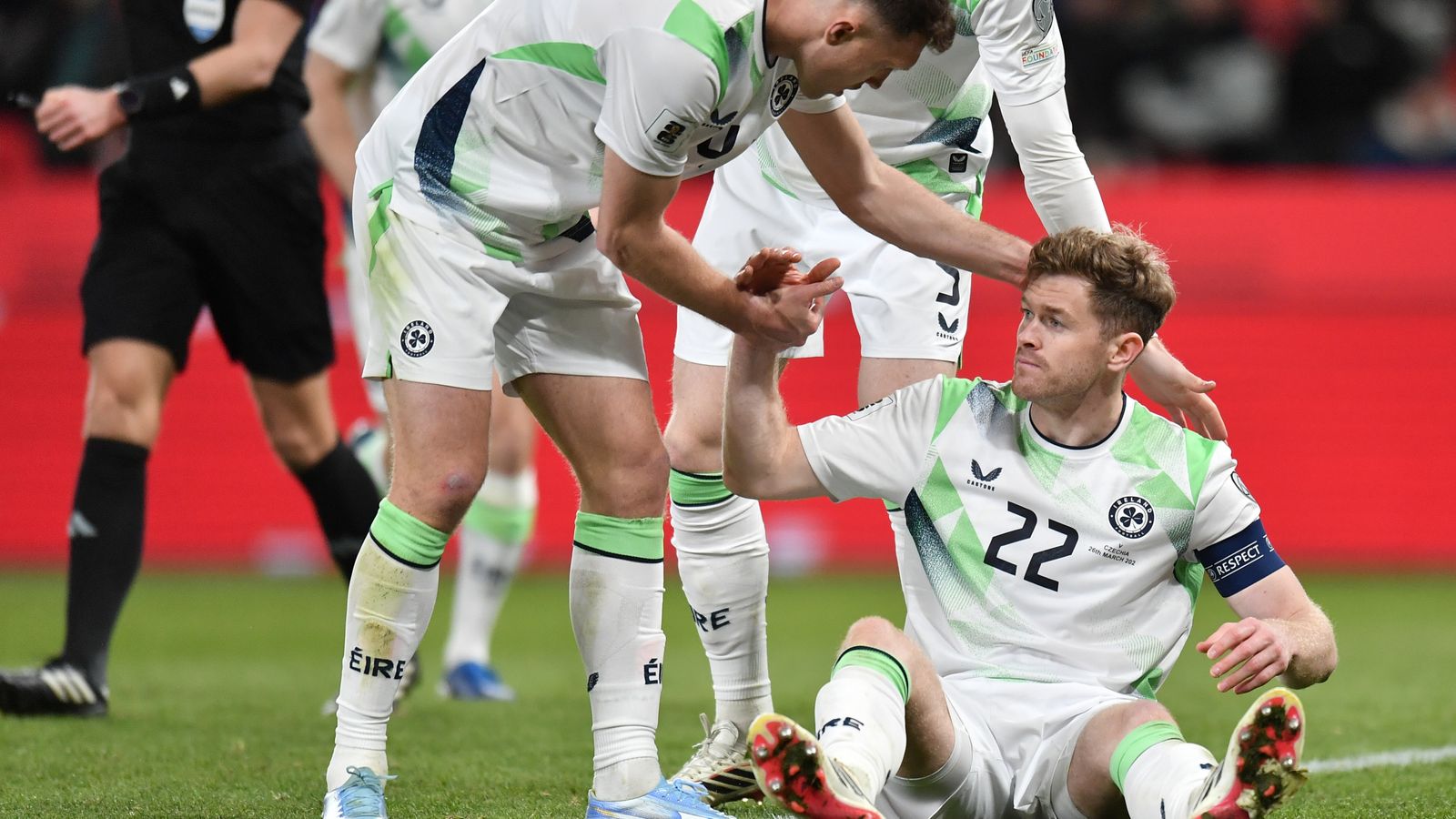
The long walk back to the global stage
Czechia returns to the World Cup for the first time in 20 years, ending a two-decade drought that saw the nation oscillate between near-misses and organizational frustration. Their qualification process was the antithesis of dominant football, defined instead by nerves and a reliance on defensive solidity during high-pressure scenarios.
The path to the 2026 tournament was paved through two separate penalty shootout triumphs in the playoffs. Winning consecutive high-stakes shootouts suggests a psychological discipline that eluded previous squads, even if the underlying attacking efficiency remained questionable throughout the campaign.
Statistically grinding through the playoffs
Progress was achieved despite an xG variance that should worry supporters heading into the group stages. During their playoff run, the team converted at a rate that outperformed their primary shot creation metrics, essentially relying on clinical finishing from dead-ball situations rather than sustained possession football.
While teams like Spain or France might rely on high-volume shot maps, Czechia’s progression is rooted in the 20-year wait between their last appearance in 2006 and this summer. This squad possesses an average age skewed toward the experienced side of the spectrum, providing the tactical discipline required to grind out results against sides with higher technical ceilings.
Defining success in a post-qualifying era
The transition from a qualification underdog to a tournament participant demands a shift in tactical identity. As the European landscape evolves, the reliance on playoff heroics is a unsustainable strategy for tournament progression. To advance beyond the group stage, the team must improve their average pass completion rate in the final third, which hovered beneath 72% during their final qualifying matches.
Critics will point to the lack of a marquee goalscorer as the primary bottleneck for this campaign. With the World Cup kickoff just 16 days away, the emphasis will inevitably fall on the defensive organization that kept them in contention during the qualification playoffs.
The defensive reality check
Tournament football exposes teams that lack transition speed. In the 2024 qualifying cycle, the team conceded 0.8 goals per match, a respectable mark that allowed them to survive games where they were outshot by a margin of nearly 2:1. However, world-class opposition in the group stage will likely identify their lack of lateral movement in the holding midfield as a targetable weakness.
If the team attempts to replicate their conservative playoff approach against faster, more fluid attacking units, they risk an early exit. Success requires a tactical evolution that moves away from the reliance on penalties and toward a proactive transition game.
Read Next