The Investigation Begins in North London
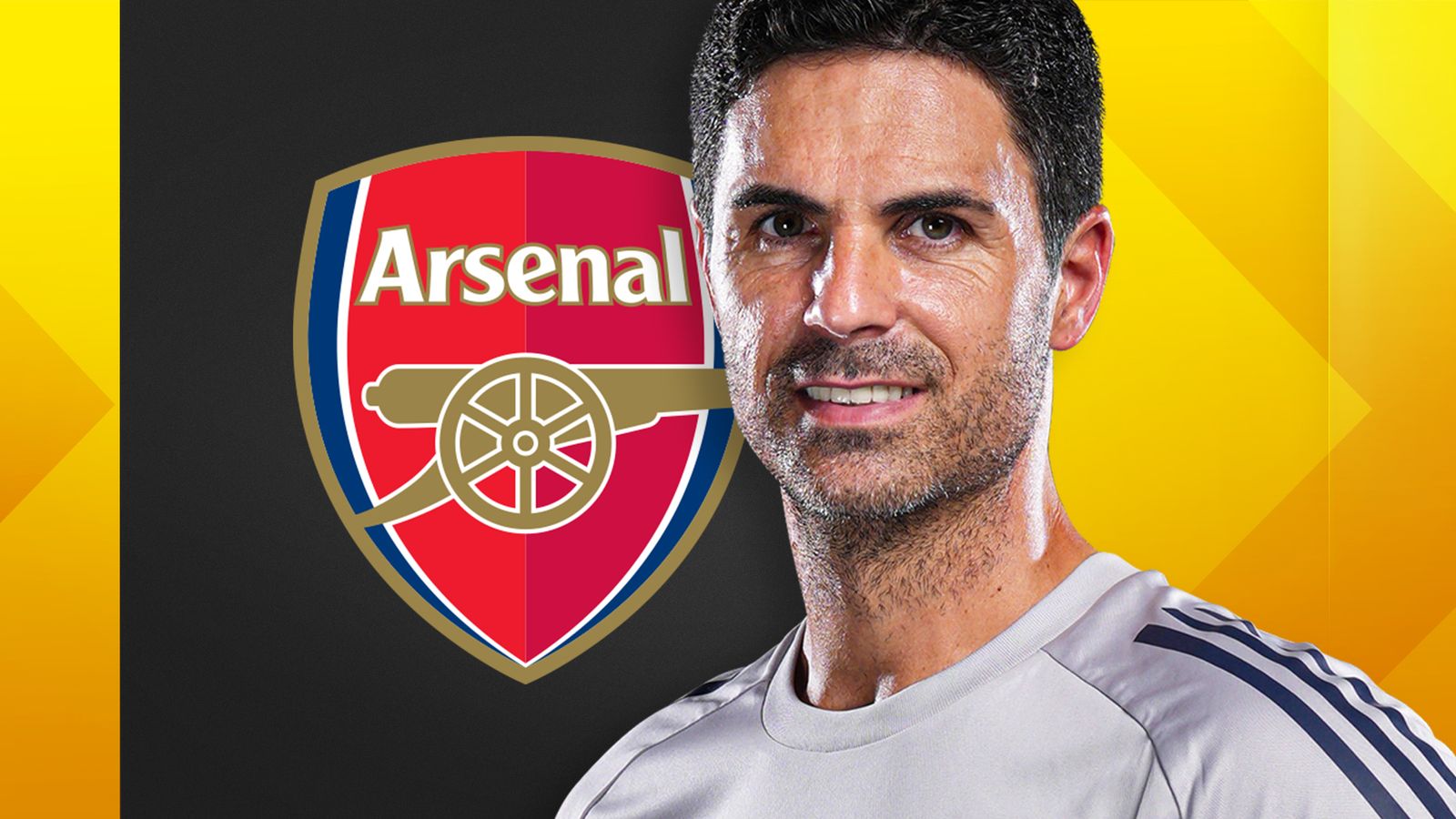
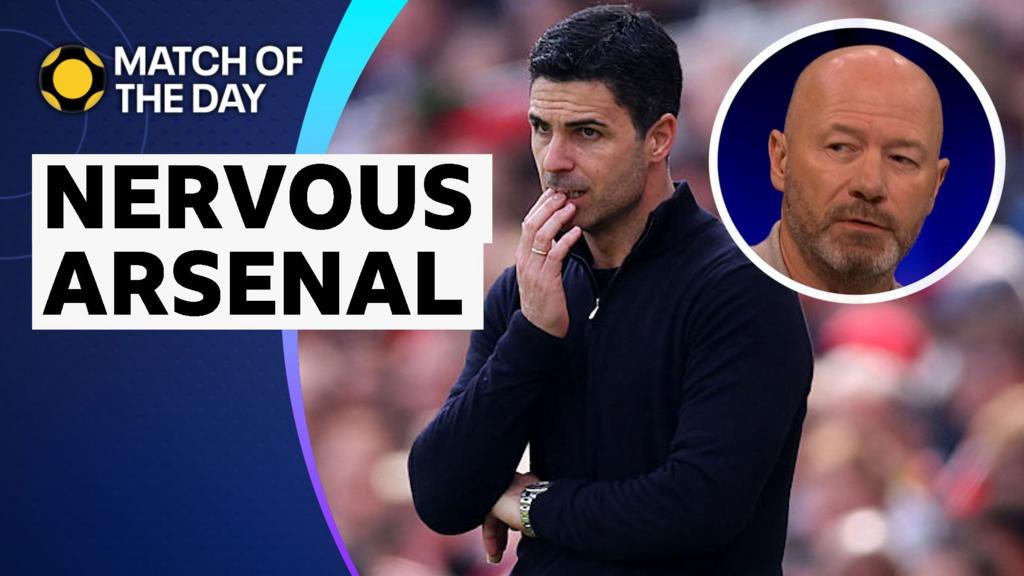
Arsenal manager Mikel Arteta has reportedly hit a breaking point with his squad's medical availability. As the Premier League title race enters its final month, the Gunners find themselves crippled by a series of recurring fitness issues that have threatened to derail their season. Arteta is now launching a full-scale internal review into the club's medical and conditioning departments, seeking answers for why his key players continue to break down when the stakes are highest.
This is not a routine end-of-season audit. Sources indicate that Arteta is bringing in a trusted outside ally to lead the investigation, effectively bypassing some of the existing internal structures at London Colney. The move suggests a significant lack of confidence in the current protocols that have seen high-profile stars like Kai Havertz and others spend crucial weeks on the sidelines. For a manager who demands 100 percent commitment and physical output, the constant need to reshuffle his starting eleven has become an intolerable variable.
Searching for the Root Cause
The review will focus on the period between December and April, where Arsenal saw a spike in soft-tissue injuries. The coaching staff is particularly concerned with the recurrence of hamstring and calf strains that have sidelined players just as they were regaining match fitness. There is a suspicion within the camp that the training load has not been adjusted correctly to account for the increased intensity of the 2025/26 season, which has been squeezed by the upcoming expanded FIFA World Cup.
Arteta's tactical system relies on a high-energy press and rapid transitions, a style of play that is notoriously taxing on the human body. However, while rivals like Manchester City seem to have mastered the art of peak-performance cycling, Arsenal have looked leg-heavy in the final twenty minutes of matches. The 'trusted ally' being brought in is expected to analyze GPS data and recovery metrics to see if the players are being pushed too hard in training sessions between matchdays.
A Historical Pattern of Fragility
Arsenal fans have seen this movie before. For nearly two decades, the club has been dogged by a reputation for being 'soft' or physically brittle. During the latter years of the Arsene Wenger era, the Emirates Stadium treatment room was famously one of the busiest in Europe. While Arteta has successfully changed the culture and the 'floor' of the squad’s physicality, the current crisis feels like a regression to those darker days of 2014 and 2015.
The difference now is the financial and competitive cost. In a league where the margin for error is essentially zero, losing a player of Havertz's tactical versatility for even three matches is a massive blow. The German international was signed for £65 million to provide a specific kind of hybrid threat, yet his availability has been patchy during the most critical run of fixtures. When you spend that kind of money, you expect a player who can start 45 games a season, not one who is managed like a fragile vintage car.
The Cost of High-Intensity Football
There is also a critical observation to be made about Arteta’s own management style. The Spaniard is notorious for his reluctance to rotate his squad, often sticking with a core group of fourteen players until they are literally unable to run. We saw this in the 2023 title collapse and again last season. By the time he turns to his bench, the drop-off in quality is exacerbated because those fringe players have no match rhythm. This review must look in the mirror—Arteta’s refusal to trust his squad depth might be the primary driver of the injuries he is now investigating.
Medical experts in the field often point to 'chronic fatigue' as a precursor to the types of muscular injuries Arsenal are currently facing. If a player is forced to start 10 consecutive games at the intensity Arteta demands, the risk of a Grade 2 tear increases by nearly 30 percent. The internal review will have to determine if the medical staff warned Arteta about these risks and were ignored, or if the data they provided was fundamentally flawed.
The Strategic Fallout
The timing of this review is pointed. With the FIFA World Cup 2026 kickoff just 41 days away, players are naturally protective of their long-term health. No one wants to miss a 48-team tournament in North America because they were forced to play through a tight quad in a rainy midweek fixture. This creates a natural tension between the club’s immediate needs and the players' career ambitions. If the review finds that Arsenal’s medical department was negligent, it could lead to a massive staff overhaul this summer.
Competitors are watching closely. The elite clubs in Europe are no longer just competing on the pitch; they are competing in the lab. Liverpool went through a similar medical reshuffle two years ago, and Manchester City’s relationship with the Ramon Cugat clinic in Barcelona is the gold standard for recovery. Arsenal’s move to bring in an outside consultant suggests they know they have fallen behind in this silent arms race. If they cannot keep their best players on the pitch, all the tactical brilliance in the world won't matter.
Ultimately, this investigation is a sign of a club that is desperate to stop a trend before it becomes a permanent handicap. Arsenal have the talent to win the biggest trophies, but their durability remains a massive question mark. As they approach the finishing line of this season, the results of this review will likely dictate their recruitment strategy for the summer. They don't just need better players; they need players who can actually play. The current situation is a failure of planning, and Arteta knows that his own legacy depends on fixing it before the 2026-27 campaign begins.
Read Next
- Arsenal launch emergency review into injury curse as title race hits May
- Arsenal's title hopes take a massive hit with Havertz and Timber ruled out
- Arsenal's Double Blow Puts Everything On The Line Against Fulham
- Arsenal launch internal injury review as their season reaches breaking point
- ⭐ UCL 2026 — Champions League Quarter-Finals Hub