The injury crisis at London Colney
Arsenal is currently grappling with a cascading series of fitness concerns that have left Mikel Arteta’s rotation options threadbare. With the season entering its final act, the club is struggling to maintain the intensity required to sustain their challenge. The defensive line, in particular, looks gassed after months of heavy minutes without adequate reinforcements.
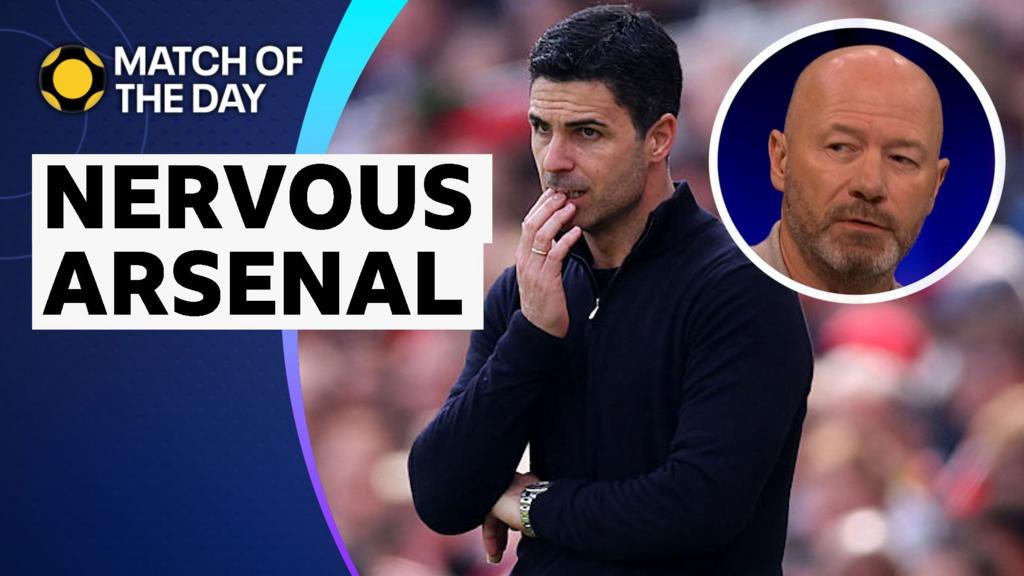
As Alan Shearer recently observed, the team is displaying signs of being weak and vulnerable under pressure. Defensive errors that were anomalies in January have become frequent fixtures in April. Tactical fatigue is the likely culprit, but the physical reality for the remaining squad members is stark.
Tactical stagnation and points dropped
The 2-1 defeat to Bournemouth was not merely a tactical failure; it was a physical one. Players appeared half-a-step slow to loose balls, failing to execute the high press that defined their winter form. When a squad rotates as rarely as this one has, the drop-off in recovery time during late-season fixtures is inevitable.
The club is now relying on individuals who have played far beyond their recommended thresholds. The medical staff has opted for pain management over long-term rest, a strategy that is clearly reaching its limit. If they do not recalibrate the training load, the upcoming fixture density will force further personnel changes that the bench is not prepared to handle.
The history of the burnout cycle
We saw this exact pattern in North London two seasons ago. Back then, the lack of quality depth in defensive midfield and striker positions forced the starters to grind through April, leading to a collapse in the final month. It is a recurring failure of their squad architecture.
Reliance on a small nucleus of starters is fine for an autumn surge. It is a suicide pact when applied to a grueling spring run. Competitors in the league have utilized deeper benches to cycle fitness during the week, whereas the current squad at London Colney is essentially sprinting a marathon. They are currently missing the spark of clinical efficiency that defined their mid-season run.
Market and strategic implications
The recruitment team's failure to secure high-ceiling depth during the winter window is now hitting the club’s bottom line. Failing to qualify deep in a tournament because your best players are walking wounded is a preventable error. The financial hit from a lost title race far outweighs the cost of a depth player signed in January.
There is also the matter of institutional morale. When players feel they are being pushed beyond their physical limits for the sake of an rigid system, the locker room chemistry frays. This is the moment in the season where small personality clashes in training sessions snowball into disjointed performance on the pitch.
The team faces a three-day turnaround before their crucial European quarter-final clash. If the medical staff doesn't clear the backlog of recurring knocks, they will be forced to field a compromised XI. The 2-1 scoreline in their most recent outing was a clear indictment of how comfortable opponents feel when pressing an exhausted Arsenal unit. Relying on sheer willpower is not a strategy; it is a desperate bet against anatomy.
The club’s management must decide whether to continue the current usage or yield points for the sake of long-term preservation. History suggests they will push, and the squad will continue to show fraying edges. The lack of rotation is the single biggest tactical failure of the campaign, and it has left the roster in a state of visible decline.
Read Next
- Arsenal are clinging to hope as the Premier League enters the home stretch
- Arsenal's title credentials are fracturing under the pressure
- Arsenal s title charge is officially on life support
- Arsenal face title race pressure as injury concern looms for key squad members
- ⭐ UCL 2026 — Champions League Quarter-Finals Hub