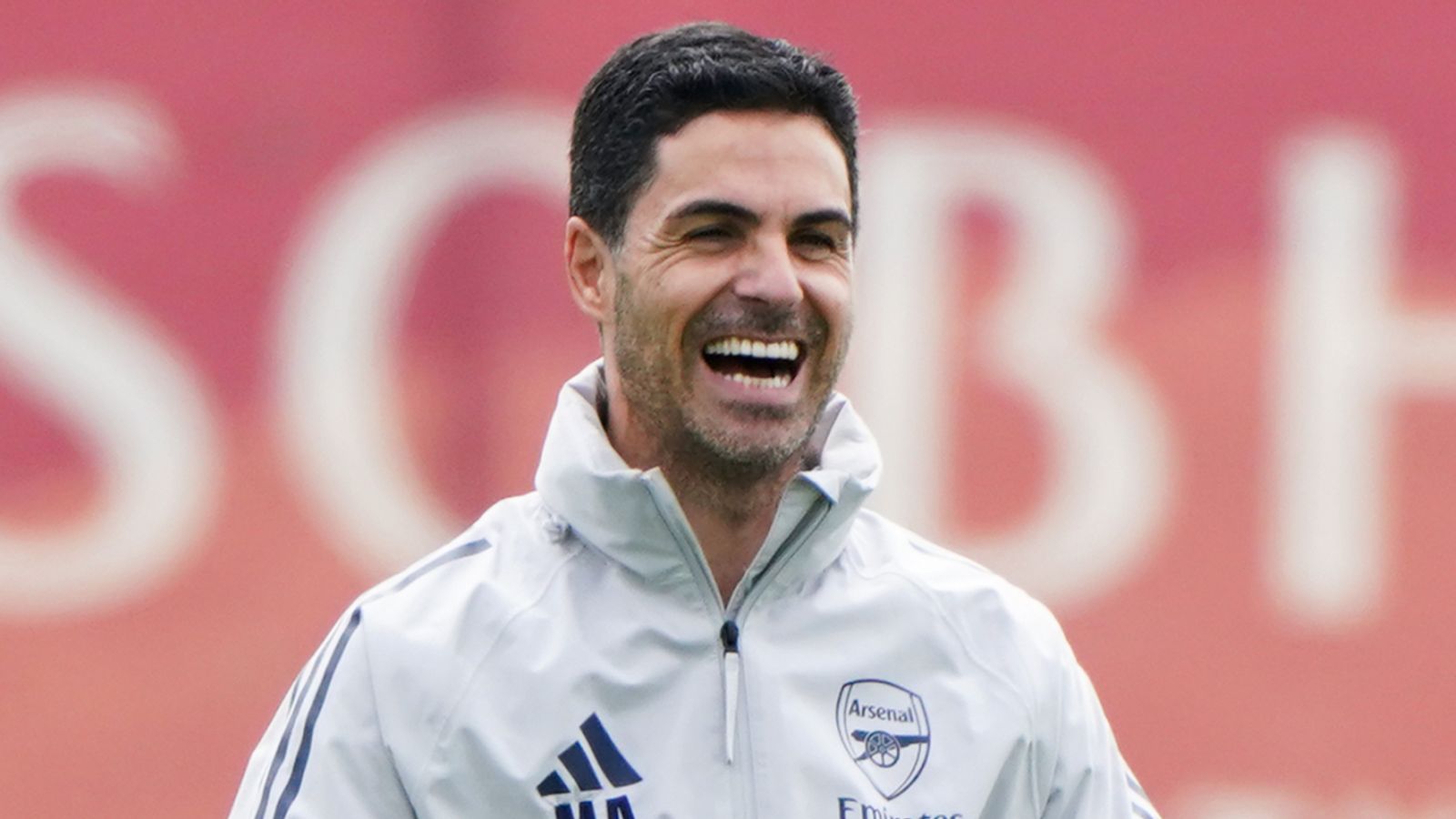
The Confession of a Champion
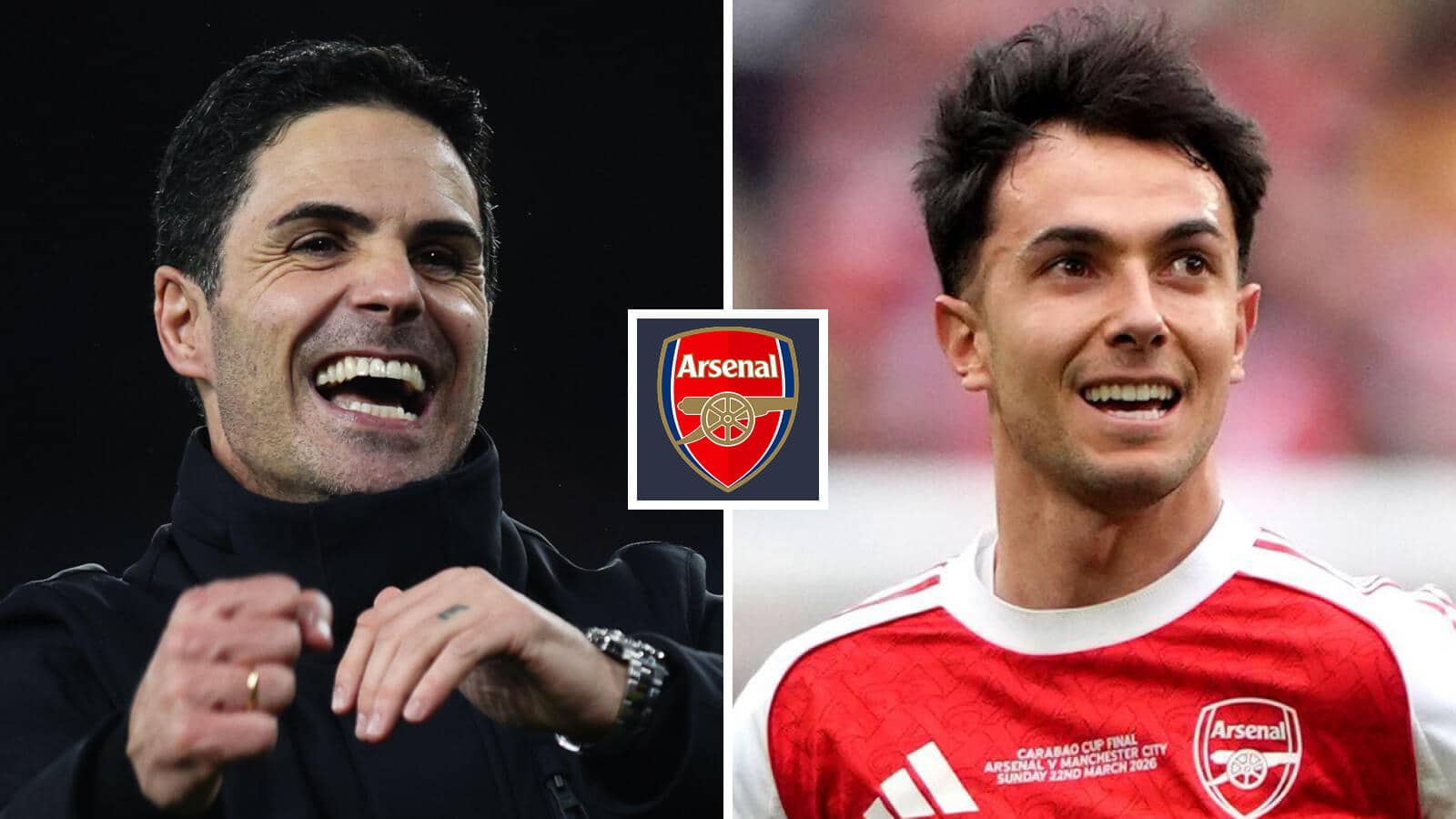
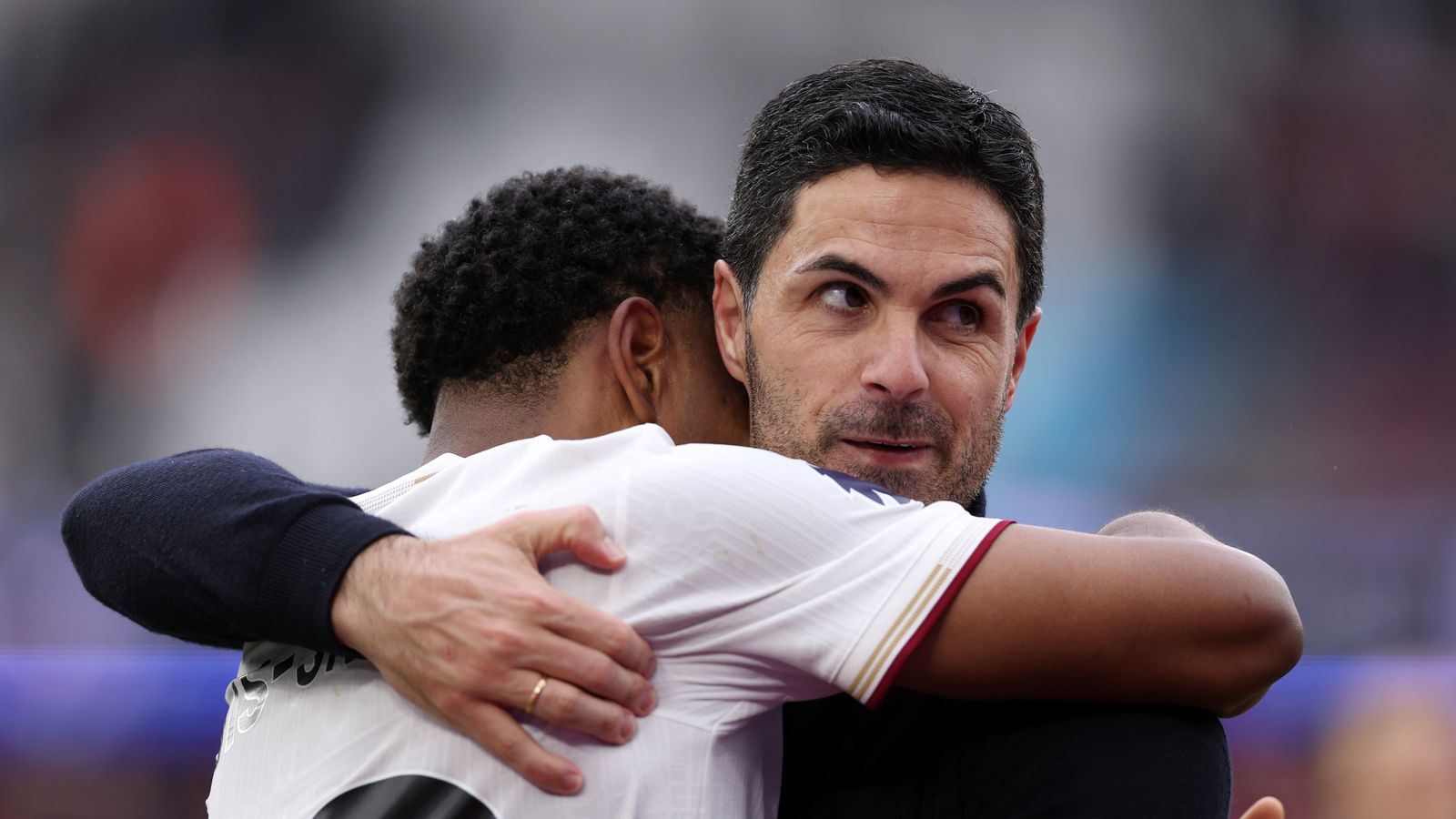
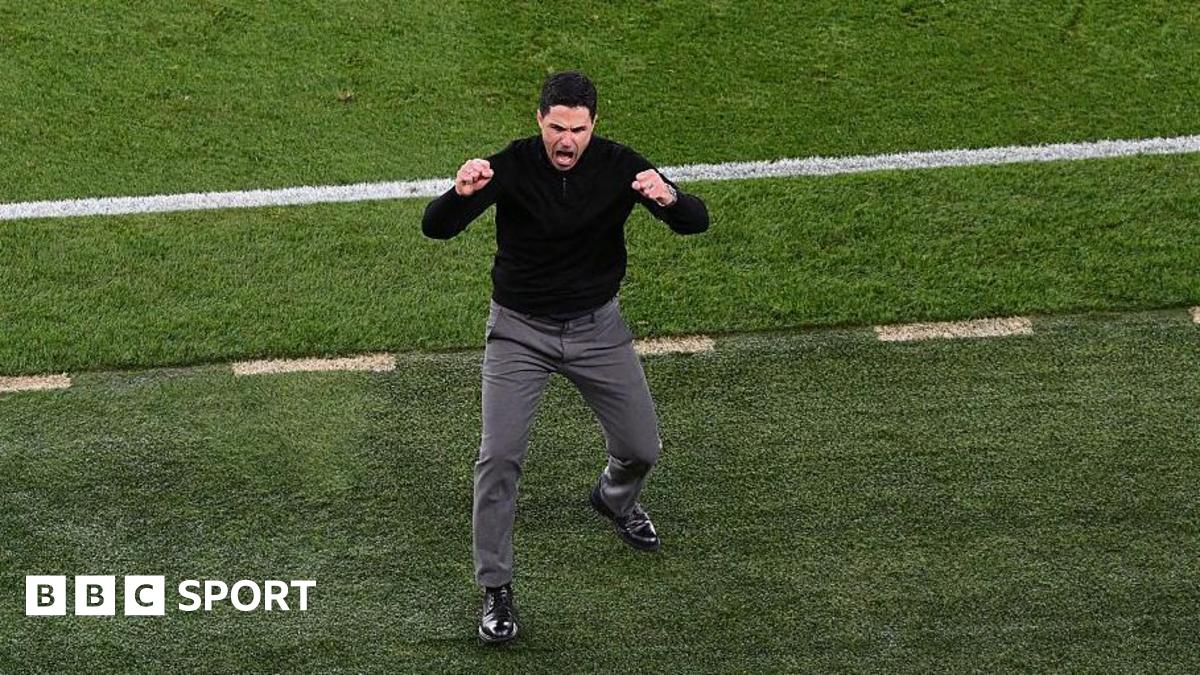
Mikel Arteta stood in front of the press and finally let the mask slip. After years of projecting the impenetrable, manicured aura of a tactical genius who had every variable under control, he admitted the one thing no top-tier manager is ever supposed to say out loud, telling Sky Sports that he questioned his own ceiling.
"I asked myself - am I good enough?"
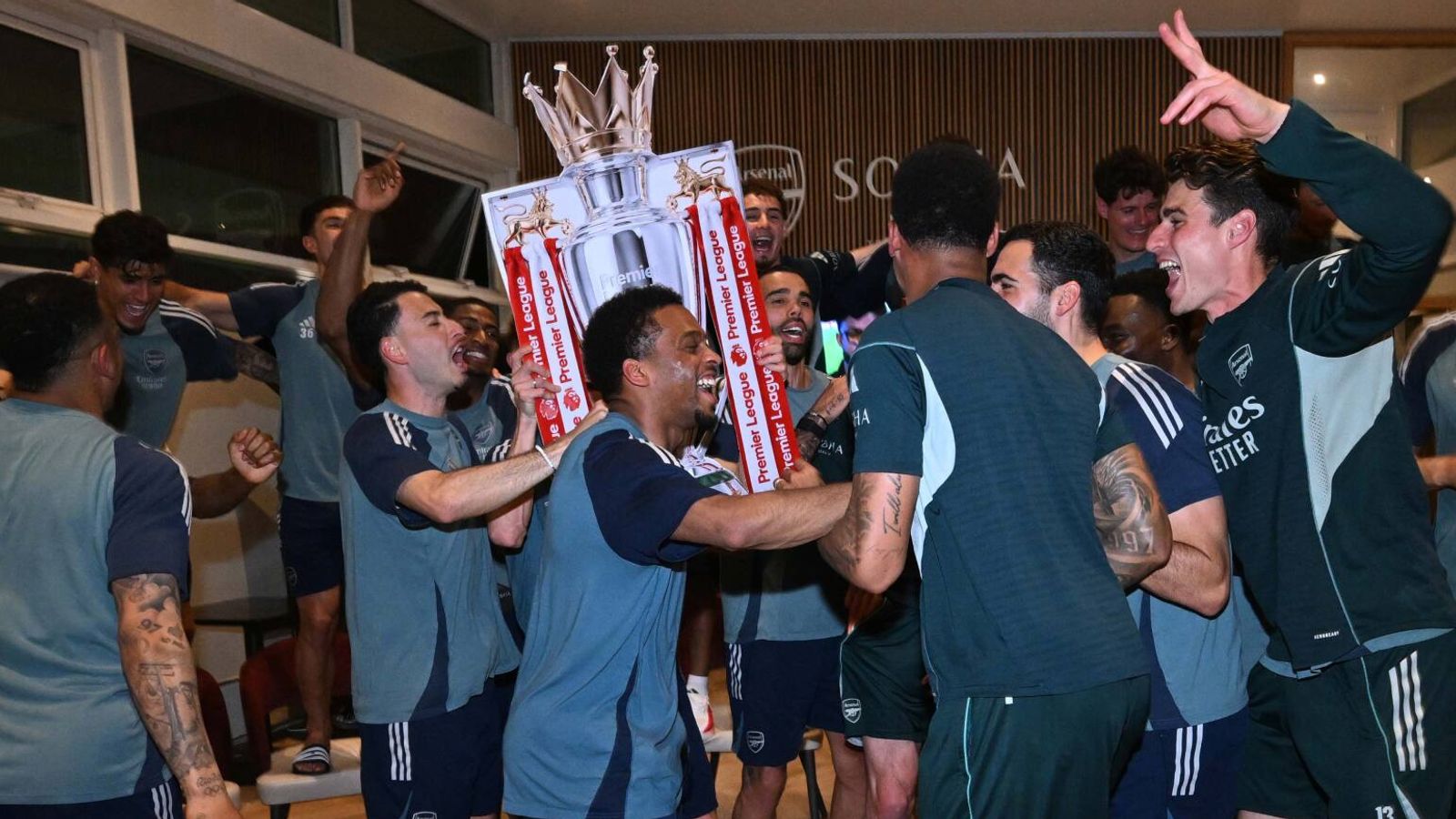
It is May 21, 2026. The Premier League trophy is currently wrapped in red and white ribbons, resting comfortably inside the Emirates Stadium. The domestic season is in the books. The entire footballing world is looking ahead to the UCL Final next week, and the massive FIFA World Cup kicking off on June 11. But in North London, time has effectively stopped. The ghosts of past failures have been exorcised. Arsenal are champions.
To understand the sheer weight of Arteta's admission, you have to look back at the torture chamber that was the last three years. This was not a sudden, out-of-nowhere triumph. This was a brutal, agonizing, inch-by-inch crawl toward the summit. It was marked by spectacular late-season collapses and a fanbase that was perpetually operating on the edge of a nervous breakdown.
Arteta was brought in to fix a broken culture. He did that. He was asked to clear out the overpaid deadwood. He did that too. He built a squad of young, hungry killers. But when it came to actually crossing the finish line and holding off the Manchester City juggernaut, he repeatedly hit a brick wall. And the whispers grew louder every single May.
Winning a major trophy requires an almost delusional level of self-belief. You are competing against state-backed financial behemoths and managers who have been collecting medals for decades. For Arteta to pause, look at his own reflection, and seriously doubt his own capacity to clear that final hurdle is jarring. It is a level of introspection that usually gets chewed up and spat out by the unforgiving machine of elite football.
Living in the Shadow of the Master
For a long time, the criticism practically wrote itself. Arteta was viewed as Pep Guardiola's most successful tribute act. He had the tactical jargon down. He paced the touchline with the same frantic energy. He inverted his fullbacks and demanded positional discipline. But he lacked the ruthless, cold-blooded winning instinct of his former boss.
When Arsenal choked away the title in 2023, and again fell agonizingly short, the narrative solidified. Arteta was a great project manager. He could build a top-four team. But he could not beat the final boss. And deep down, in the lonely hours after a brutal away defeat at Goodison Park or St James' Park, Arteta clearly bought into that narrative himself.
That is what makes his recent comments so striking. Managers of big clubs are sociopathically confident. They have to be. To hear Arteta admit that he questioned his own ceiling is a rare moment of pure, unfiltered humanity in a sport that usually punishes vulnerability.
He looked at his squad. He saw Bukayo Saka running on fumes month after month. He watched Martin Odegaard trying to paint masterpieces while getting kicked to pieces by rugged holding midfielders. He saw Declan Rice covering every blade of grass with terrifying intensity. And he wondered if the problem was the man in the dugout. Was he too rigid? Was he too demanding? Was he simply not cut out to outsmart Guardiola over a grueling 38-game schedule?
The answer, obviously, is that he was. He found the missing gear. But the journey to get here was far from flawless. It was messy, exhausting, and heavily reliant on moments of individual brilliance pulling his tactical system out of the fire.
The Stubbornness That Almost Cost Him
Let's be brutally honest for a second. Arsenal winning the league this year does not absolve Arteta of his previous managerial sins. In fact, you could argue they made this title run significantly harder than it needed to be. His self-reflection is great, but some of the wounds were entirely self-inflicted.
Arteta's fatal flaw has always been his extreme stubbornness. For years, he treated rotation like it was a personal insult. He ran Saka into the ground until the winger's legs turned to jelly by April. He stuck to his preferred starting eleven with a religious fervor, completely ignoring the fact that fatigue is a real, measurable thing in modern football. You cannot play the same high-intensity pressing game with the exact same eleven players for ten months straight.
We saw shades of that exact same stubbornness this season. There were weeks in February and March where Arsenal looked terrifyingly flat. They dropped points in games they should have won by halftime. Arteta refused to trust his bench, repeatedly making his first substitution in the 82nd minute when the game was already spiraling out of control. It was maddening to watch.
His in-game management has often been reactive rather than proactive. When Plan A worked, Arsenal looked like the best team on the planet. When Plan A failed, Arteta would stand on the touchline furiously waving his arms, seemingly baffled that the opposition had the audacity to adjust. He stuck to his pre-planned script even when the actors were visibly exhausted. It cost them points. It cost them cup runs. And it very nearly cost them this title.
He is a brilliant tactician, but his man-management and squad rotation have been glaring weaknesses. The fact that they still managed to lift the trophy despite these blind spots is a massive credit to the sheer willpower of the dressing room. Players like Leandro Trossard and Gabriel Martinelli had to scrap for sporadic minutes, while exhausted starters were continually asked to go to the well one more time. It is a miracle nobody suffered a catastrophic injury down the stretch.
Embracing the Ugly Win
So, what actually changed this year? How did Arteta overcome his own doubts and finally slay the Manchester City dragon?
They stopped trying to be perfect. Arsenal finally learned how to win ugly. For the first time in his tenure, Arteta accepted that you do not need to play beautiful, sweeping, Champagne football every single week to win a championship. Sometimes, you just need to grind out a miserable, rain-soaked 1-0 victory against a team playing a low block with ten men behind the ball.
They became absolute monsters on set pieces. Nicolas Jover, the set-piece coach, earned his paycheck tenfold this season. They turned defensive solidity into their main identity. William Saliba and Gabriel Magalhaes formed a partnership so terrifyingly dominant that opposing strikers often looked completely defeated before the whistle even blew. You could physically see veteran forwards giving up after bouncing off Saliba for the third time in ten minutes.
Behind them, David Raya commanded the penalty area with a ruthless efficiency that finally silenced his critics. He collected crosses, shut down counter-attacks, and operated as an auxiliary sweeper. The defensive unit as a whole was an absolute brick wall when it mattered most.
And then there is Declan Rice. The man transitioned from a great midfielder into an absolute force of nature. He was the safety net that allowed the rest of the team to occasionally malfunction. If Odegaard had a quiet game, Rice was there to violently break up a counter-attack and immediately recycle possession. He was the engine that refused to quit.
Arteta stopped trying to out-Pep Pep. He stopped obsessing over possession stats and started obsessing over points. The moment Arsenal accepted that winning ugly is still winning, the mental block vanished. They stopped crumbling under pressure because they realized they didn't have to be perfect to survive. They just had to be relentless.
The Weight of the Crown
Now, the self-doubt is gone. The demons have been banished. Arteta has his major trophy, and nobody can ever take that away from him. He is no longer the promising young coach trying to prove he belongs at the big boys' table. He owns the table. He bought the restaurant.
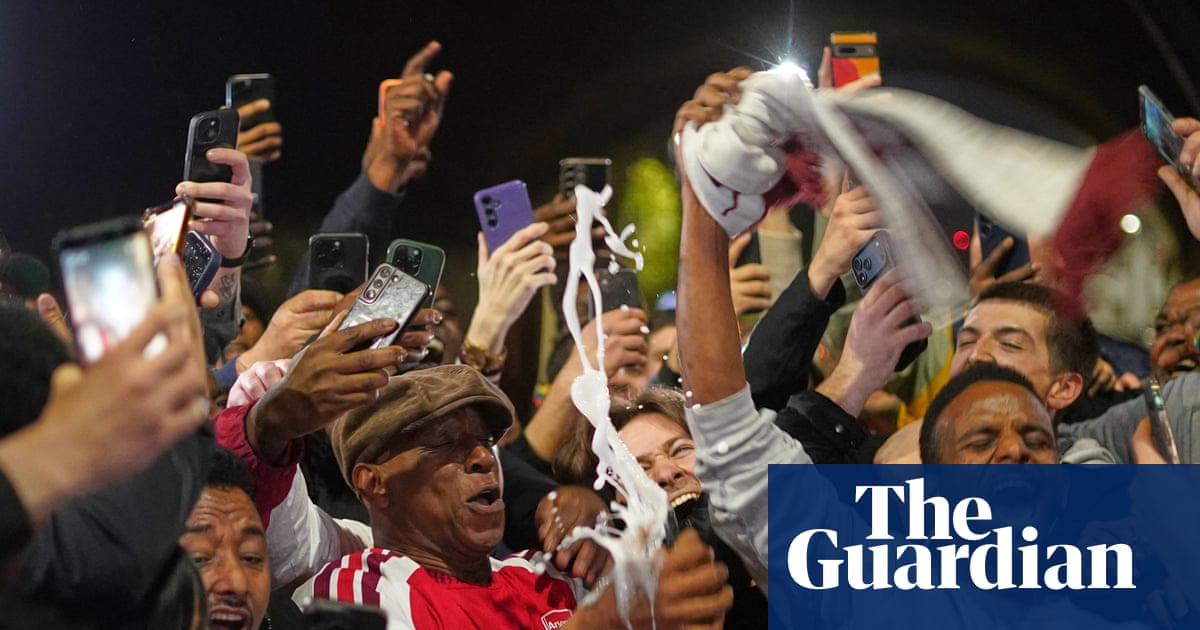
The timing is fascinating. With the UCL Final dominating the headlines next week and the World Cup looming large in June, Arsenal fans get to sit back and watch the chaos unfold knowing their domestic business is finished. The anxiety of the chase is over. They have reached the promised land. The streets of Islington will be hungover for weeks.
But the real test starts now. Winning the first title is incredibly difficult. Defending it against a wounded, angry Manchester City is a completely different level of hell. Guardiola does not take losing lightly. Liverpool will rebuild. The league will adapt.
Arteta will need to evolve again. He cannot rely on a core group of 14 players. He has to trust his squad. He has to learn how to rotate without panic setting in. The margins for error will only get smaller. He proved he is good enough to reach the top. Now he has to prove he is good enough to stay there.
For today, though, none of that matters. Mikel Arteta looked in the mirror, asked the hardest question a professional can ask, and went out and proved himself wrong. Arsenal are Premier League champions. The project is officially complete. The doubt has been erased. Everything from here on out is just about building the dynasty.
Read Next