The International Escape
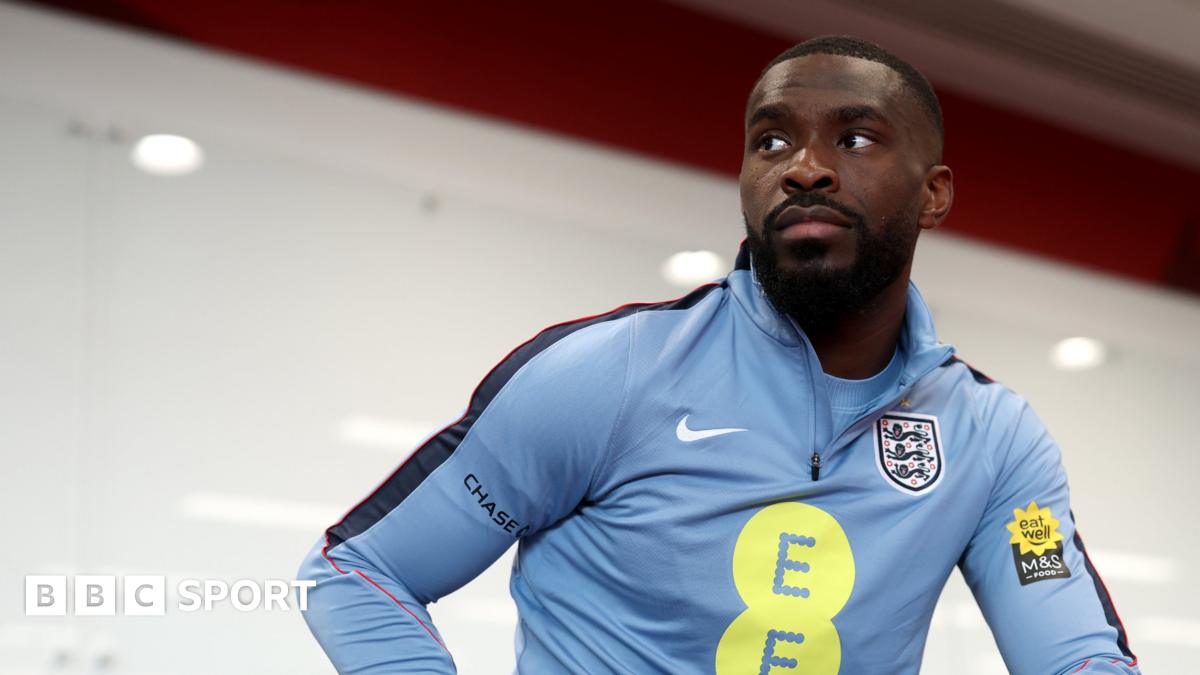
International breaks usually disrupt club rhythm. For Fikayo Tomori, this past week was a desperately needed escape route. Pulling on the England shirt, he looked completely liberated. He was aggressive. He stepped confidently into midfield to intercept loose passes. He ran down opposing wingers in the wide channels with the terrifying pace that made him a star in Italy.
According to reports covering the national team camp, he did "a very solid job". He reminded everyone watching why he was once considered one of the absolute premier front-foot defenders in European football. He looked like the player who dragged AC Milan to a Scudetto, shutting down counter-attacks single-handedly.
Then the referee blew the final whistle. The international window slammed shut. Tomori packed his bags, boarded a flight back to Lombardy, and returned to a club where he is rapidly becoming an expensive ghost.
And now, reality bites. Hard.
The Geometric Nightmare
AC Milan have fundamentally changed their identity over the last few months. The dynamic 4-2-3-1 system that defined their modern resurgence is dead and buried. In its place is a rigid, conservative three-man backline that demands entirely different player profiles.
The problem isn't that Tomori suddenly forgot how to play football. The problem is purely geometric. In a flat back four, his elite recovery pace masked a multitude of tactical sins. If the midfield turned the ball over, Tomori would simply turn on the jets, close the gap, and execute a flawless slide tackle. He was the ultimate safety net.
A back three requires something completely different from its personnel. The central defender in this trio needs to act as a deep-lying playmaker, sweeping up behind the line but primarily directing traffic with the ball at his feet. The wide center-backs are essentially auxiliary full-backs in possession. They are required to carry the ball into the final third, overlap, and create numerical overloads.
Tomori fits neither of these profiles perfectly. He lacks the expansive, cross-pitch passing range of a natural libero. His ball-carrying is functional, not devastating. He is a pure, unadulterated destroyer forced to play a possession game.
This brings us to a harsh truth being whispered in the corridors of the San Siro.
As Sempre Milan brutally assessed his current standing within the squad: "He has no role."
It is a damning indictment of poor squad planning. How does a massive club let its most valuable defensive asset rot on the bench because of a mid-season tactical pivot? The failure here isn't on the player. It lies squarely on a management structure that failed to align their long-term transfer strategy with their immediate coaching decisions.
Milan's defensive transition highlights several glaring incompatibilities for the Englishman:
- His positioning relies on stepping up to trap offsides, which clashes with the deeper dropping line of a back three.
- He naturally drifts wide to cover overlapping full-backs, leaving massive gaps in the central channel when operating as the middle man.
- His first touch under intense pressing often invites pressure rather than breaking lines, a fatal flaw when building from the back.
A Brutal Weekend Test
This weekend, Milan travel to Bergamo to face Atalanta. It is the ultimate acid test of this stubborn back-three experiment.
Gian Piero Gasperini's men are an absolute nightmare to play against on a good day. They press in aggressive, relentless man-to-man blocks. They actively try to drag opposing center-backs completely out of position. They thrive in the utter chaos of attacking transitions.
Without Tomori's sheer speed to bail them out, Milan are going to deploy a much slower, heavier defensive trio. They are banking on winning aerial duels and keeping their defensive block deep. Against Atalanta, sitting deep is just waiting to die.
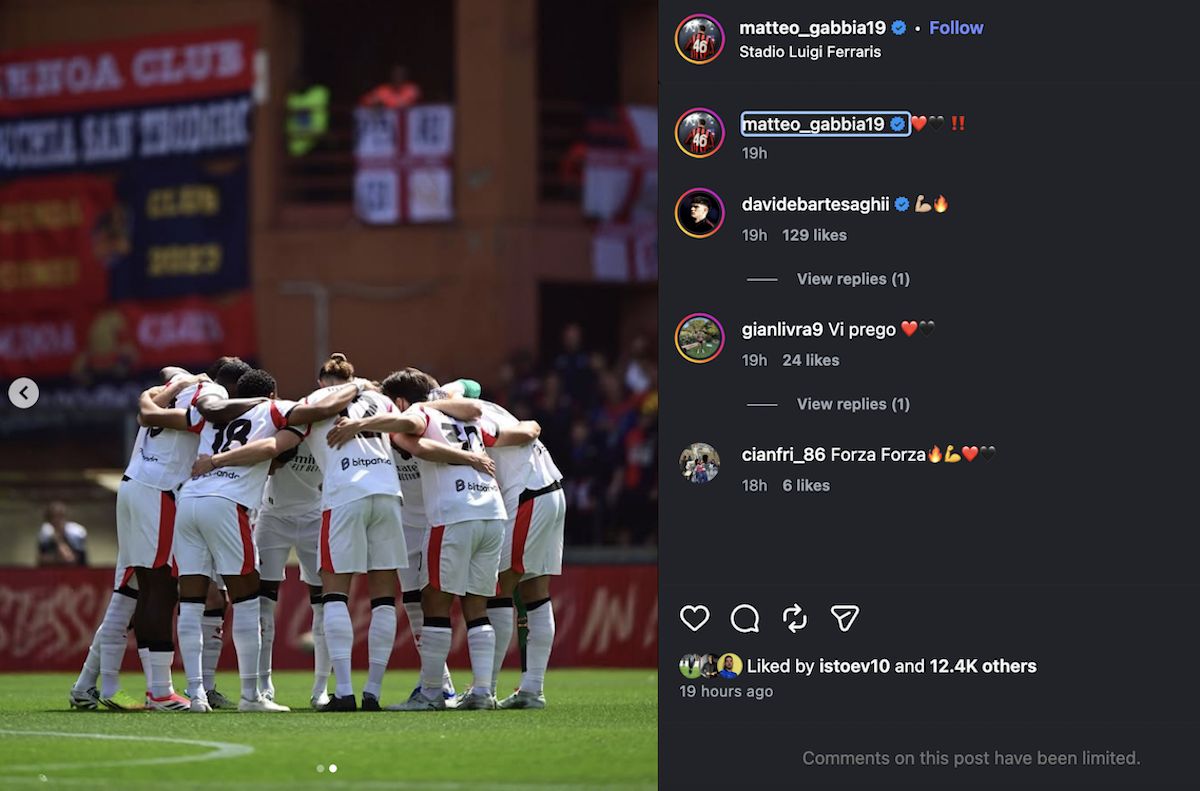
Let's look at the specific match-ups. On the right side of Milan's defense, they are expected to line up with Matteo Gabbia attempting to track Ademola Lookman. That is a mismatch of terrifying proportions. Lookman operates almost exclusively in the half-spaces. He receives the ball on the half-turn and drives instantly toward the penalty area.
In a back four, Tomori would aggressively step out, engage Lookman early, and force him out toward the touchline. In a back three, Gabbia has to make a split-second decision: track Lookman into the midfield and leave a gap behind, or pass him off to a wing-back who is already sprinting in the opposite direction.
If Milan get their defensive spacing wrong by half a yard, Atalanta will score. It is exactly that simple.
Ghosts of Milan Past
Adding insult to injury is the presence of Charles De Ketelaere. The Belgian playmaker failed miserably at Milan under the old system but has found a brilliant rebirth in Bergamo. Gasperini uses him as a roaming forward, floating between the lines and dragging defenders out of their comfort zones.
If Tomori were on the pitch, he possesses the aggressive instincts to track De Ketelaere into those deep pockets. Instead, Milan's static central defenders will likely pass him off, causing massive confusion in communication. De Ketelaere turning and running at a retreating backline is a recipe for disaster.
The absence of a rapid recovery defender also puts unbearable stress on Tijjani Reijnders. The Dutch midfielder loves to carry the ball forward, breaking lines with his dribbling. But every time he commits forward, he leaves a massive hole.
Last season, Tomori's pace meant Reijnders had insurance. If he lost the ball, Tomori would sweep up. Now, Reijnders hesitates. The handbrake is firmly pulled up. Milan's transition offense is suffering simply because their defense is too slow to provide a safety net.
The Inevitable Departure
If Milan are truly committed to this formation long-term, keeping Tomori is bordering on financial malpractice. You simply do not keep a highly marketable, homegrown-eligible English defender on the bench.
The Premier League is absolutely starving for center-backs with his physical profile. West Ham, Newcastle, and Aston Villa would easily part with serious cash for a player of his caliber. Milan desperately need to rebuild their midfield and add a dynamic striker to their ranks. Selling Tomori entirely funds that necessary rebuild.
It hurts to admit it. He was a fan favorite, a hero of the title-winning campaign. But modern football is utterly ruthless. Sentimentality does not win league titles.
Let's dig deeper into the actual numbers behind this tactical mess. When Tomori starts in a back four, Milan's defensive line sits on average four meters higher up the pitch. They actively compress the space, making the pitch incredibly small for the opponent.
In the current back three system, they drop. The average defensive action happens much closer to their own penalty area. This passively invites pressure. It tires out their own forwards, who suddenly have to cover sixty yards just to launch a basic counter-attack.
I am genuinely nervous for Milan this weekend. They are walking blindfolded into a tactical trap. Gasperini will exploit their lack of pace at the back. He will isolate their slowest defenders in one-on-one situations. The very player who could bail Milan out with raw athleticism is likely going to watch the massacre unfold from the comfort of the substitutes' bench.
Look at how he played for his country. Surrounded by technically gifted midfielders, he wasn't asked to be Andrea Pirlo. He was asked to be a pure stopper. He stepped up, won the ball, and gave it to players who could pass. Milan are currently asking their defenders to do the jobs of midfielders, and their midfielders to do the jobs of forwards. It is a tactical knot that needs untangling immediately.
The Final Verdict
I don't see how Milan survive a trip to Bergamo with a slow, ponderous back three. Atalanta's movement off the ball is far too sharp. Their passing combinations are too quick and precise.
Milan will probably score a goal, simply because Rafael Leão can conjure magic out of absolutely nothing. But they will not be able to contain the width, the aggression, and the sheer volume of attacks from the hosts.
Atalanta will dominate the flanks. They will win the second balls. They will expose the exact flaws in this system that Tomori's absence highlights so clearly.
My prediction is a punishing 3-1 victory for Atalanta. And when the dust settles, the Monday morning papers will be absolutely full of uncomfortable questions about Fikayo Tomori's immediate future.
Read Next