The Ghost of Goals Past Haunts San Siro
Olivier Giroud, bless his perpetually underrated heart, has gone and done it. He admitted he misses Milan ‘so much’, even confessing to getting ‘a little emotional’ when thinking about his former club. Now, some might write this off as standard footballer sentimentality, a wistful glance back at happier times as he winds down his career in MLS. But for anyone paying attention to the increasingly barren landscape of modern attacking football, Giroud’s confession isn't just a teary goodbye; it’s a flashing red light, a blaring siren, and a stark reminder of what so many clubs are desperately missing.
This isn't some generic longing for a city or a lifestyle. This is a man, a proper number nine, reminiscing about a place where he thrived, where he scored 39 goals in 132 appearances, and, crucially, delivered a Scudetto. Milan let him walk, seemingly confident they could replace that unique blend of aerial dominance, link-up play, and big-game temperament. And with all due respect to the current incumbents, the post-Giroud era at San Siro has felt less like a seamless transition and more like watching a magician try to pull a rabbit out of a hat only to produce a slightly confused pigeon.
The "Striker Problem" - A Myth or a Manifestation?
For years, football discourse has been plagued by the ethereal 'striker problem.' Is it real? Are there truly no world-class number nines left? Or are managers just fussier than a Michelin-star chef on a bad day? Giroud’s comments, juxtaposed with Milan’s current reality and the broader struggles across Europe, firmly plant this firmly in the 'manifestation' camp. The man isn't crying over spilled milk; he's highlighting an emptying larder.
Think about it. How many truly elite, traditional center-forwards are there right now? Haaland is a cyborg, Kane is a maestro, but after them, the list gets incredibly short, incredibly fast. Everyone else seems to be a 'false nine' who sometimes scores, a winger shoved up front, or a promising talent who hasn't quite hit their stride. Clubs spend fortunes on attacking midfielders and wide forwards, only to find themselves playing intricate triangles outside the box, waiting for someone, anyone, to have the audacity to actually *shoot*.
Milan, for all their undoubted talent in other areas, are a prime example. Since Giroud's departure, they've relied on a committee approach, a smattering of goals from different positions, but that consistent, reliable focal point that rattles in 15-20 league goals a season? That's gone. It's the kind of void that makes a club regret letting a 36-year-old goal-poacher walk, especially one who still showed up for the big moments.
The Giroud Blueprint: Unfashionable, Undeniable
What Giroud represented, and what he continues to represent, is a dying breed. He's not flashy. He's not going to dribble past three defenders. But he understands movement, he holds the ball up like a brick wall with glue on it, and he gets his head on everything. He’s the guy who scores the ugly goals, the tap-ins, the headers from corners that other, more 'modern' forwards deem beneath them. He’s the footballing equivalent of a well-maintained Ford F-150: not glamorous, but it gets the job done, every single time.
Contrast this with the almost frantic search for the next 'hybrid' forward, someone who can press from the front, drop deep, link play, *and* score 25 goals. It’s like managers are trying to build a Swiss Army knife out of players, and then get surprised when the corkscrew isn't also a laser beam. Sometimes, you just need a really good knife. Giroud was that knife for Milan, for Arsenal, for Chelsea, and for France. He was the guy you could always count on to put the ball in the net, especially when it mattered most, like his stunning acrobatic volley against Atlético Madrid in the Champions League for Chelsea.
The Critical Miss: Over-complication in the Final Third
Here’s the cold, hard truth that nobody wants to admit: modern football, in its relentless pursuit of tactical innovation and positional fluidity, has over-complicated the simplest and most crucial part of the game – putting the ball in the damn net. The critical observation is that clubs have become so enamored with systems that they’ve forgotten about the fundamental art of goalscoring. They look for players who fit a complex web of movements and passes, rather than just seeking out players whose primary instinct is to stick it past the goalkeeper.
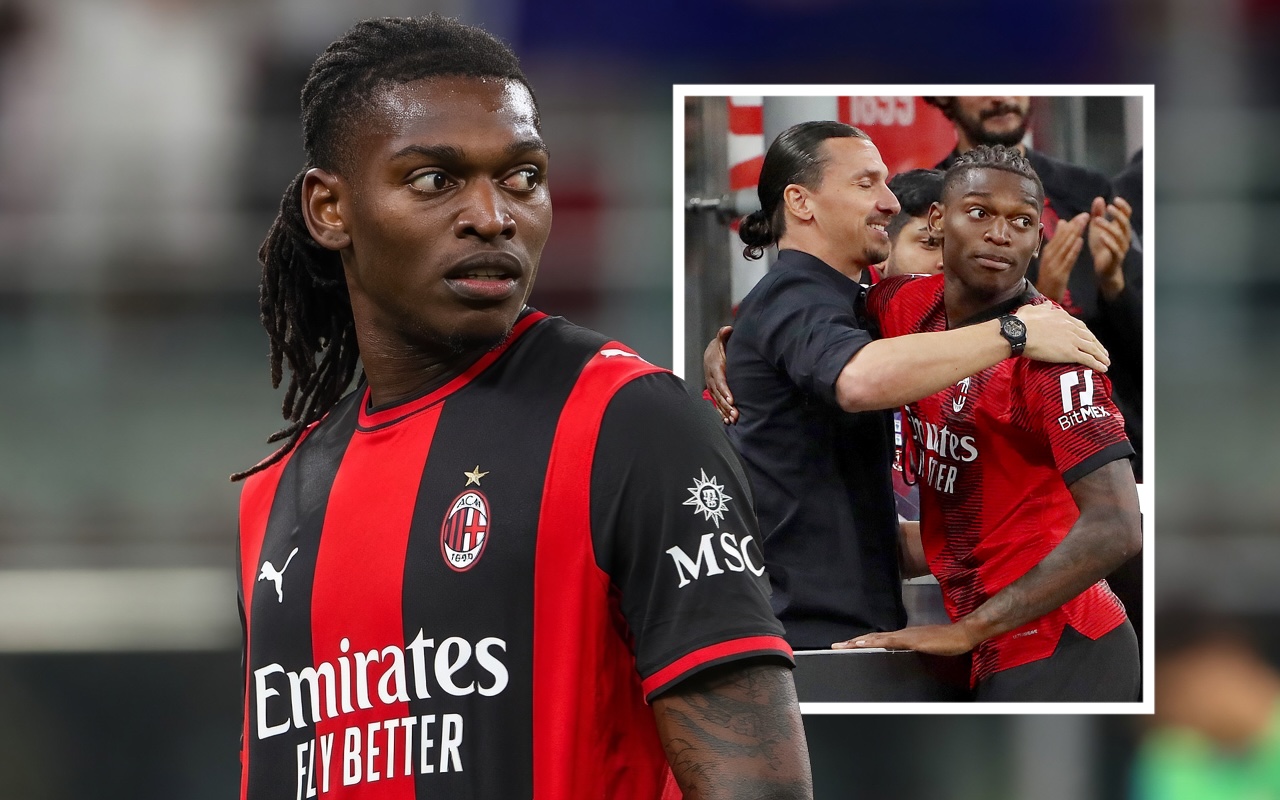
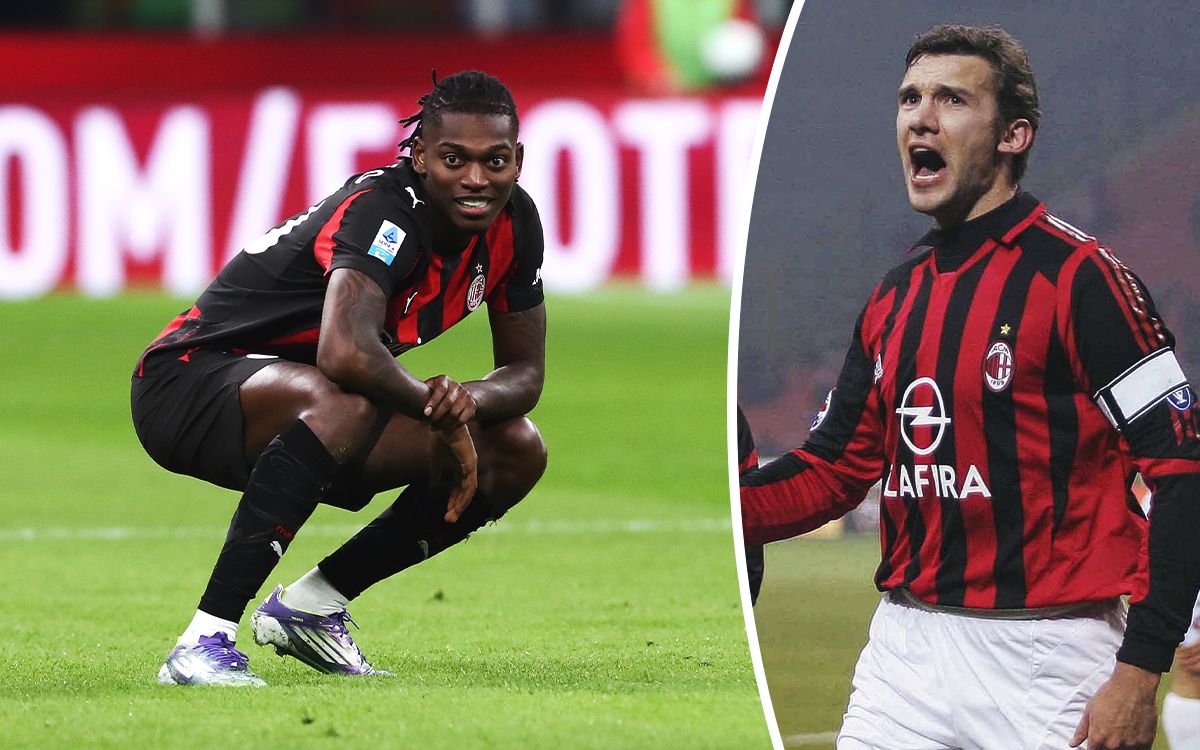
This isn't to say tactics aren't important, or that evolution is bad. But when you’ve got a player who consistently delivers, who understands his role, and who still possesses the physical attributes to perform at a high level, letting him leave because he doesn't perfectly fit the 'next big thing' tactical blueprint feels like sheer arrogance. Milan's decision to move on from Giroud, while understandable in terms of age, seems to have overlooked the intangible, yet invaluable, impact of having a proven goalscorer who also acts as a brilliant mentor and leader for younger players like Rafael Leão.
The current crop of forwards often seem to operate in a state of existential dread in the box, almost apologetic for being there. They pass, they dribble, they look for the 'perfect' opportunity. Giroud? He just shoots. He attacks the space. He makes the defender’s life a living hell. His emotion isn't just about missing a city; it’s the quiet lament of a true striker witnessing the erosion of his craft.
A League of Their Own, But Not For Long?
So, when Giroud says he misses Milan, he’s not just talking about the pasta or the fashion. He’s talking about the connection, the role, the responsibility of being *the* man up front, a role that feels increasingly marginalized. He’s looking back at a time when a proper number nine was celebrated, not seen as an anachronism. His wistful words are a stark reminder to every club struggling for goals: sometimes, the answer isn’t a revolutionary new system or a €100m winger. Sometimes, it’s just a big bloke who knows where the goal is.
And if Milan, or any other club, wants to stop feeling the emotional pangs of a goal-scoring drought, they might want to listen to the old warhorse. Because the 'striker problem' isn't going away, and players like Giroud, who solve it almost by instinct, are only becoming rarer. Maybe it's time to get emotional about finding a few more of them.
Read Next